Quick Summary
The Korean jjimjilbang is not just a sauna. It is a full social experience where families stay all night, couples go on dates, and solo guests sleep on warm floors. All of this is tied to a food culture that is just as key as the warmth.
The most iconic jjimjilbang foods are maekbanseok eggs, also called Korean sauna eggs, sikhye, a sweet rice punch, and cup ramen. Together, they create the classic Korean spa snack-bar experience: warm, sweet, salty, spicy, and easy to share.
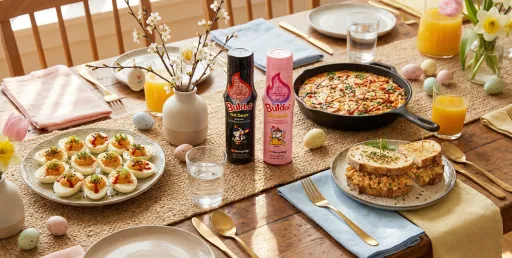
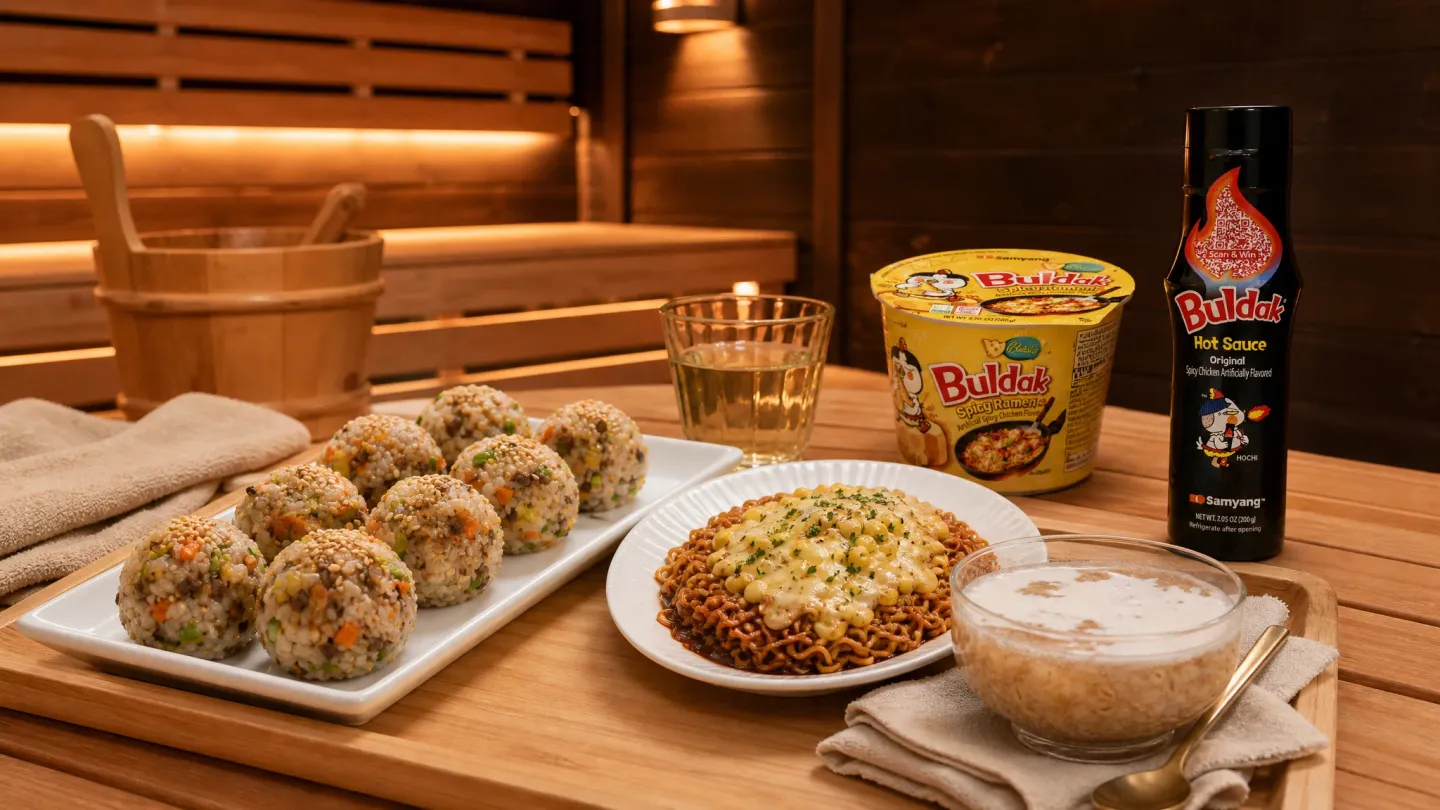
All three Buldak home recipes are the reinterpretations of jjimjilbang classics: Buldak Dip Eggs, Buldak Sauna Ramen, and Buldak Mayo Jumeokbap. You get one brand, three dishes, and the full snack line right in your house.
If you have ever watched a Korean drama, you have undoubtedly seen the scene. The characters carefully fold their towels into the iconic "sheep head" shape, sit comfortably on a heated wooden floor, and casually peel brown-shelled eggs while sipping sweet rice beverages. The setting for these heartwarming, intimate scenes is always the same: the jjimjilbang.
A jjimjilbang, a classic Korean sauna, is different from your standard neighborhood bathhouse. For Koreans, it is a bustling family outing destination, a great date spot for couples, and a safe space where tired people go to rest and heal. Since these huge spots are open 24 hours a day and have rooms to sleep in, the warm, shared vibe is fully tied to a highly specific food culture. You just cannot say you have tried a true Korean spa without eating the food served there.
Interestingly, there is a fascinating paradox within this culinary culture. After sweating hard in a hot room, the first thing most Koreans reach for is very hot, spicy sauna food. The sight of people eating hot noodles or spicy rice cakes while their faces are still red from the heat is quite normal in Korea. There is a deep, clear reason why the body craves a fun, rich kick after a long sweat.
This comprehensive guide is divided into two distinct parts. First, we will explore the social context and signature dishes of this unique culture. Second, we will provide three easy-to-follow recipes—including a restorative bowl of Buldak ramen—to recreate this warm vibe at home using the legendary Buldak lineup. Whether you plan a trip to Seoul soon or just want K-drama vibes in your living room, this is your top guide to Korean sauna food.
PART 1. The Jjimjilbang Guide — Everything About Korean Sauna Culture
What Exactly is a Jjimjilbang? Beyond the Basic Sauna
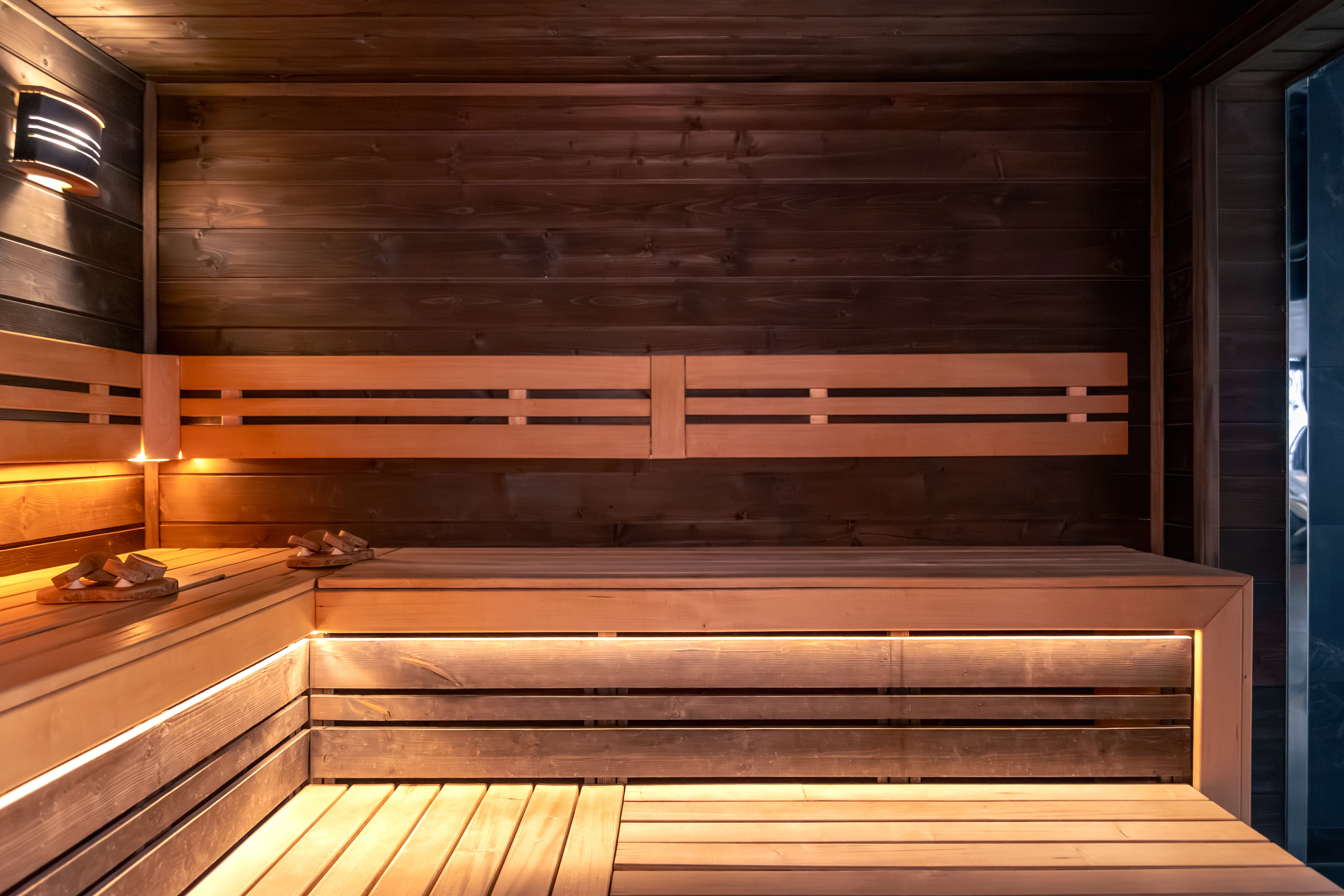
The Definition of Jjimjilbang The term jjimjilbang refers to a massive, multi-level Korean bathhouse and wellness facility. What sets it far apart from a standard Western Korean sauna or Korean spa is the setup. Beyond the gender-segregated wet baths and locker rooms, the heart of the place is the huge, shared lounge. Here, guests wear matching free clothes (just a t-shirt and shorts) and rest freely on warm floors. These spots have sleeping rooms, snack bars, game rooms, movie spots, and even PC play zones or kids' play areas. Since many run 24/7, it is quite normal to see folks sleeping on thin mats late in the night.
The Social Role of the Jjimjilbang The reason why the Korean sauna has become a legendary cultural icon is the profound social role they fulfill.
Family Outings: It is one of the most accessible, affordable weekend outings for families. Kids can safely roam the rooms and eat sauna food while parents take turns in the extreme heat rooms to rest sore muscles.
The Classic Date Course: For young Korean couples, spending a Saturday afternoon here is a classic date. Wearing matching clothes, peeling eggs for each other, and lying side by side to watch a movie builds a deep bond.
A Sanctuary for the Exhausted: In a country famous for intense corporate overtime, it serves as an immediate sanctuary. Workers can sweat out the stress of the day, eat a warm meal, and sleep before heading back to work.
The 24-Hour Hotel Alternative: For guests on a tight budget or locals who missed the last train home, it acts as a practical, budget-friendly place to stay.
Why Global Audiences Relate to the Vibe Thanks to the huge global reach of Netflix and YouTube, the visual of the Korean sauna food experience is easy to spot right away. The "sheep head" towel trick and the brown baked eggs are top signs of "everyday Korean life." International viewers are no longer intimidated by the concept; instead, they are eager to recreate those cozy scenes.
What Do Koreans Eat at a Jjimjilbang? 3 Signature Sauna Foods
The snack bar menu is not a random pick. It is a well-planned food line made just to refuel a body that has gone through strong heat stress.
Signature Food 1) Maekbanseok Eggs (Baked Sauna Eggs)
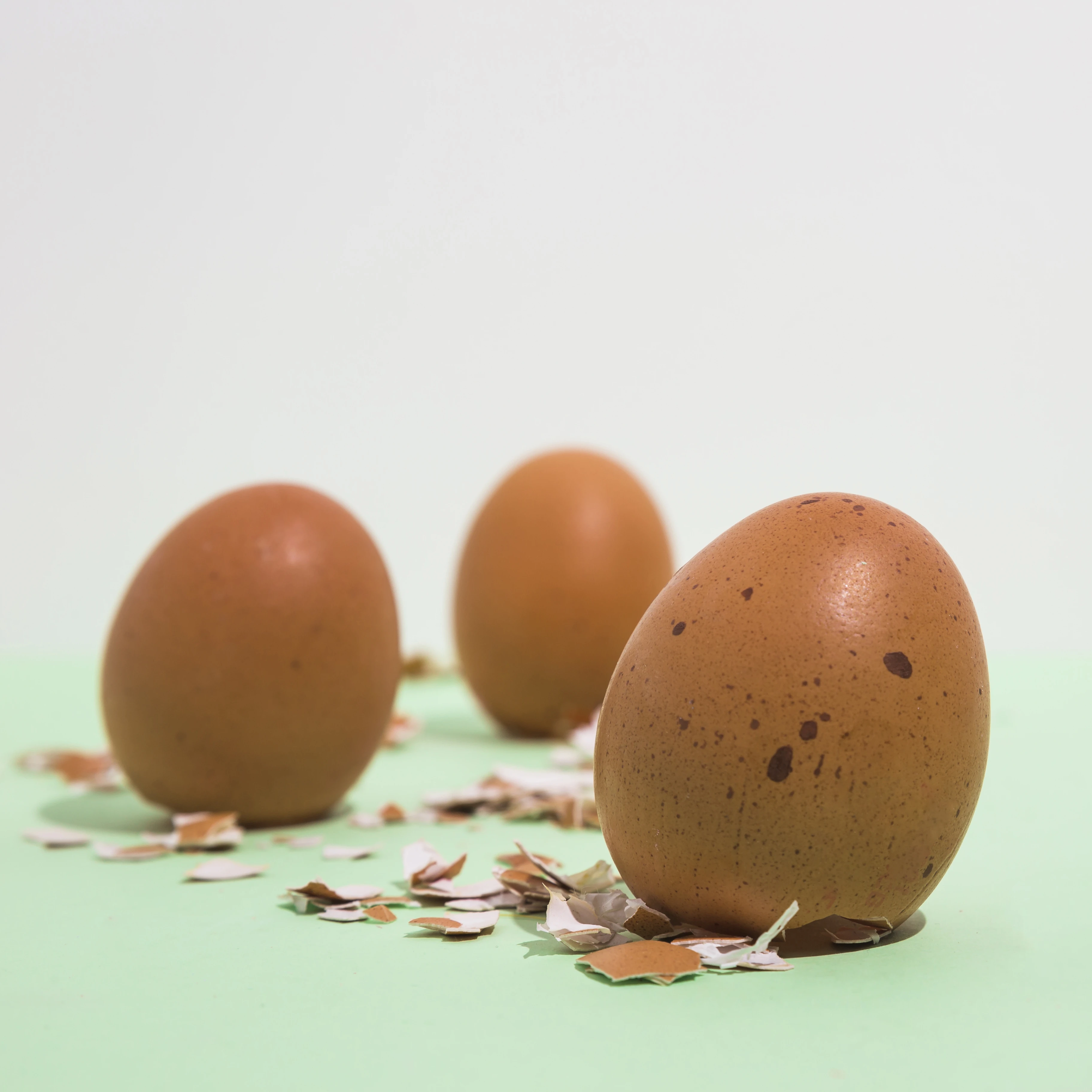
If you ask anyone to name a sauna food, this is the quick answer. These are not normal hard-boiled eggs. They bake slowly for hours in high-heat rooms lined with elvan stone. This slow bake shrinks the egg, turns the shell brown, and gives the white a dense, chewy, and deep nutty feel.
The Logic: Sweating drains protein and electrolytes. These high-protein, easily digestible eggs are the most natural, efficient recovery snack.
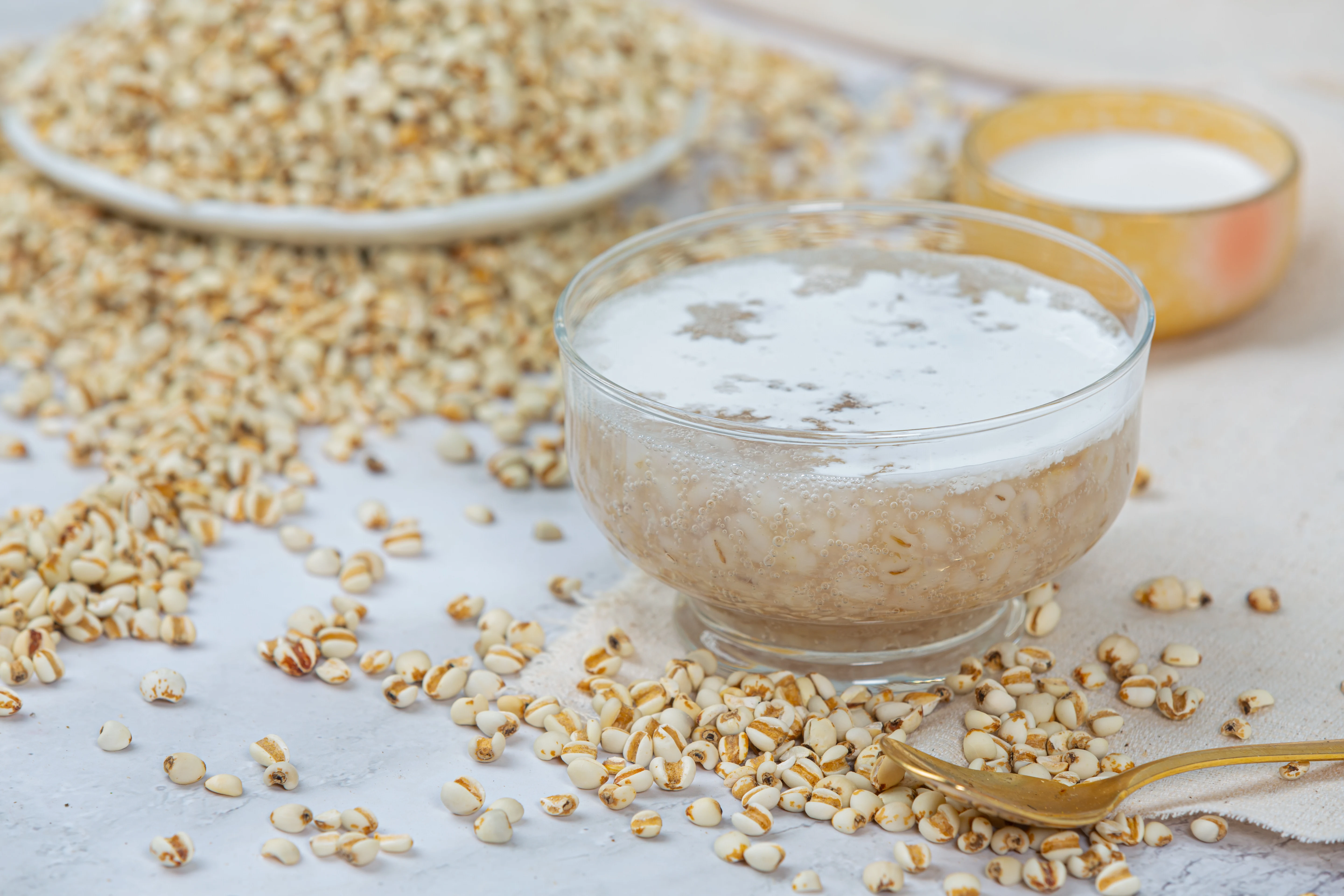
Signature Food 2) Sikhye (Sweet Rice Punch)
This traditional, non-carbonated sweet beverage is made by fermenting rice with malted barley water.
The Logic: Without harsh carbonation to upset a heat-stressed stomach, the mild, pure sweet taste of the rice puts fluids right back in the body and helps break down food. It is the best drink to quench your thirst after you leave the hot room.
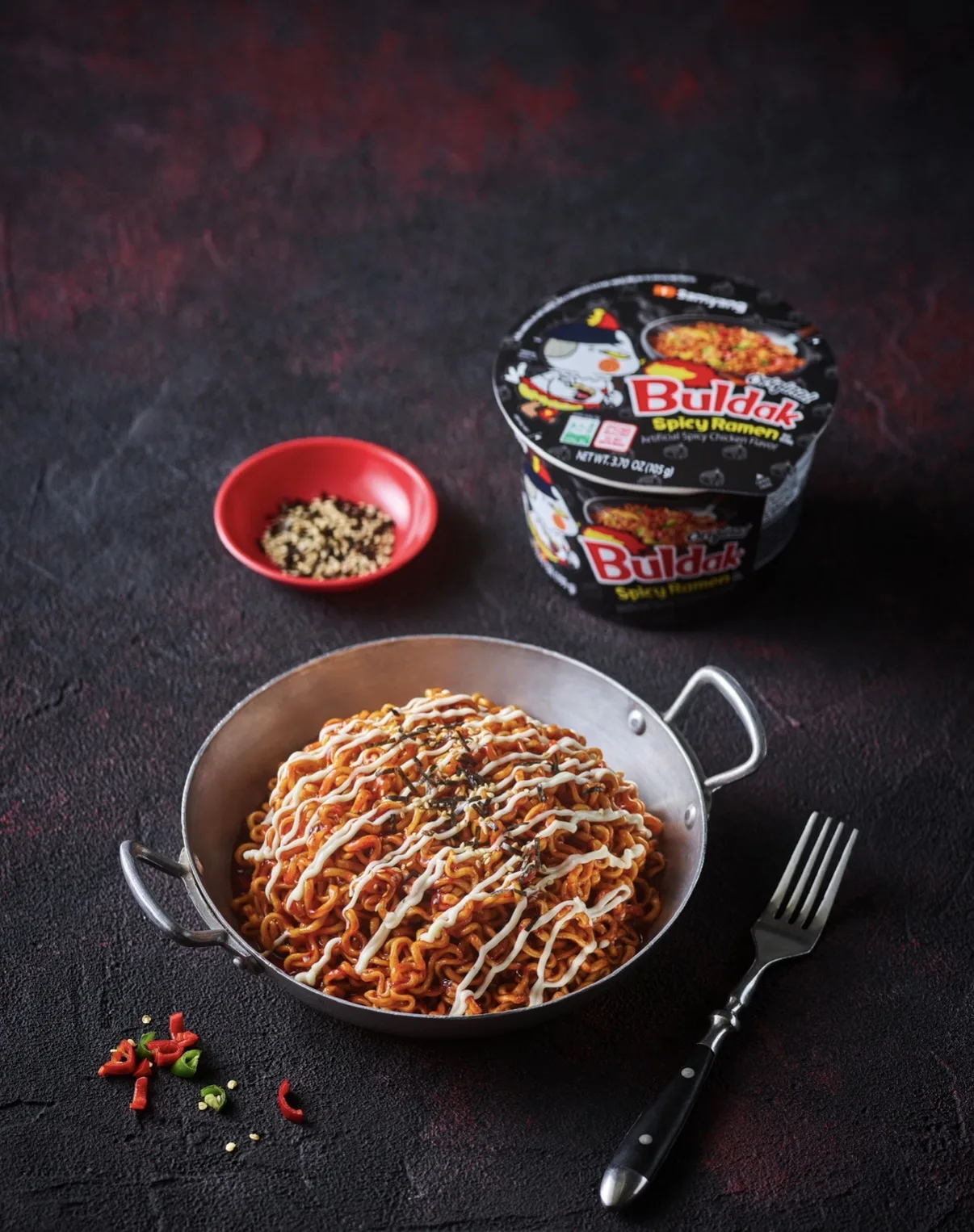
Signature Food 3) Cup Ramen
Getting a hot bowl of quick ramen at the snack bar is the peak of the Korean spa trip. The bold, spicy kick of the hot soup right away wakes up a tired body.
The Logic: The Korean habit of craving hot, spicy food after a sweat is deep in the culture. Many Koreans find that the hot spice triggers a second sweat that leaves them feeling refreshed.
Practical Guide for First-Time Visitors
Etiquette: You must wear the provided uniform in the co-ed lounge areas. Keep your voice down in the designated sleeping zones. Outside food is strictly prohibited; utilizing the internal snack bar is a mandatory part of the cultural experience.
The Sheep Head Towel: Fold a long towel in half lengthwise. Place it on your head and grab the two front ends. Roll each end outward several times to create two tight "horns." Adjust for symmetry.
How Long Should You Stay in a Sauna? The standard Korean guideline is to cycle 15–20 minutes of heat with 5–10 minutes of resting in the cool lounge. If you are wondering how long should you stay in a sauna on your first visit, start with 10 to 15-minute sessions.
Get Original Buldak Ramen — the iconic base of your home jjimjilbang bowl 🍜
Order Buldak Ramen on Amazon — the original behind every recipe in this guide 🛒
PART 2. The Buldak Jjimjilbang Home Edition
You do not need a plane ticket to Seoul to experience this comforting atmosphere. By utilizing the thrilling flavor of Buldak, you can recreate the ultimate sauna food lineup right in your living room.
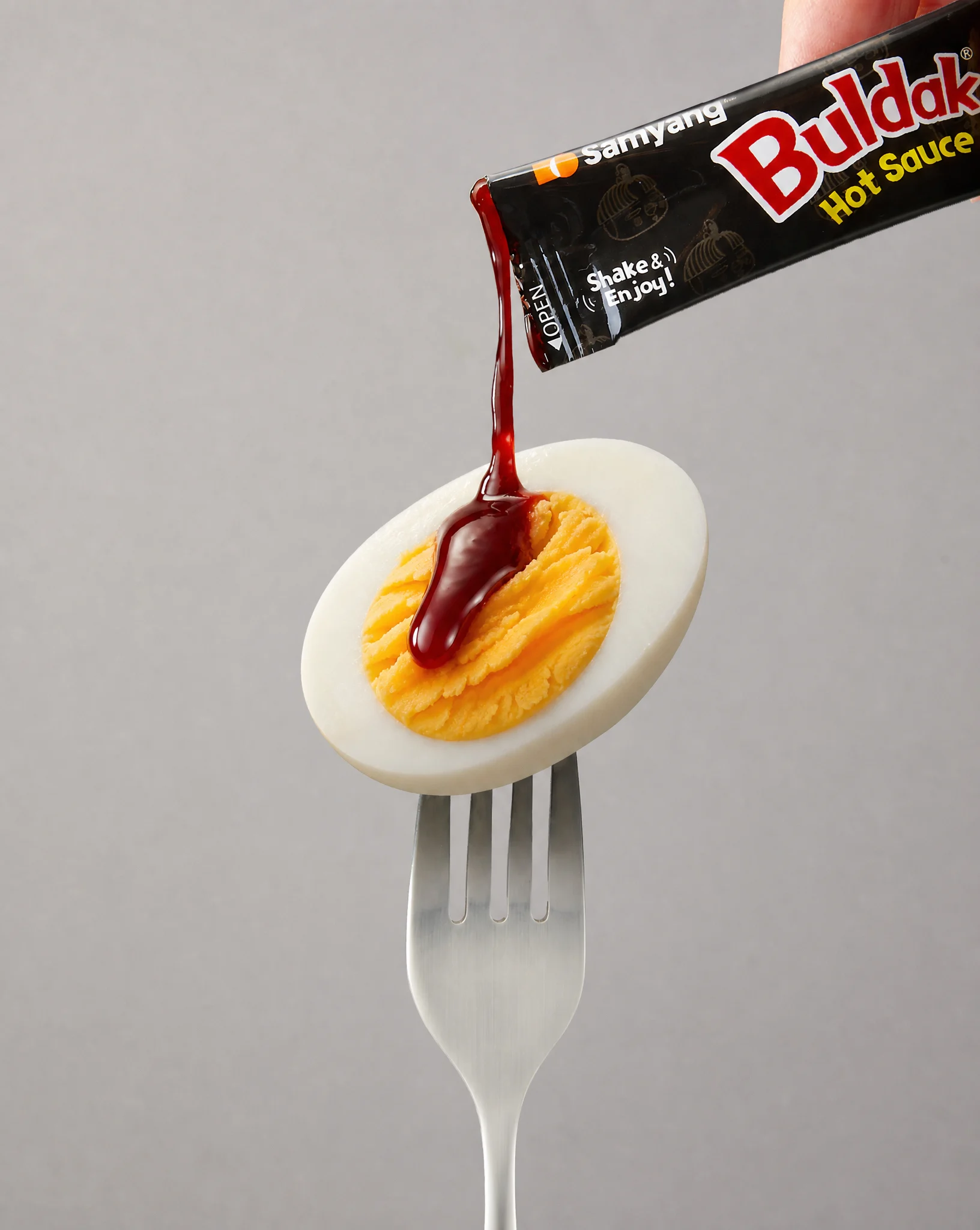
Recipe 1: Buldak Dipping Eggs
This recreates the iconic baked egg experience. By baking eggs in an air fryer and pairing them with a thrilling, creamy dip, you achieve the perfect savory crunch. It requires almost zero prep time.
Ingredients: 4 eggs, 1 tablespoon Original Buldak Sauce, 1 tablespoon mayonnaise, 1/2 teaspoon soy sauce, a few drops of sesame oil, and toasted sesame seeds.
Recipe Details: Prep Time: 2 mins | Total Time: 15 mins | Servings: 2 portions.
Macros (Per Serving): Protein: ~14g | Carbs: ~3g | Fat: ~12g.
Instructions:
Bake the eggs in an air fryer at 150°C (300°F) for 13-15 minutes (or hard-boil them).
In a small bowl, aggressively whisk the Buldak Sauce, mayonnaise, soy sauce, and sesame oil to create a brilliant, vibrant dip.
Peel the warm eggs, plate them, and serve them alongside the spicy dip garnished with sesame seeds.
Pro Tip: Air-frying the eggs shrinks them slightly and gives the whites a chewy texture incredibly similar to authentic maekbanseok eggs. The mayonnaise beautifully cushions the intense heat of the sauce.
The Sauna Vibe: Stacking the peeled eggs on a plate with the red dip perfectly mimics the snack bar visual. Pair it with a sweet beverage to complete the illusion.
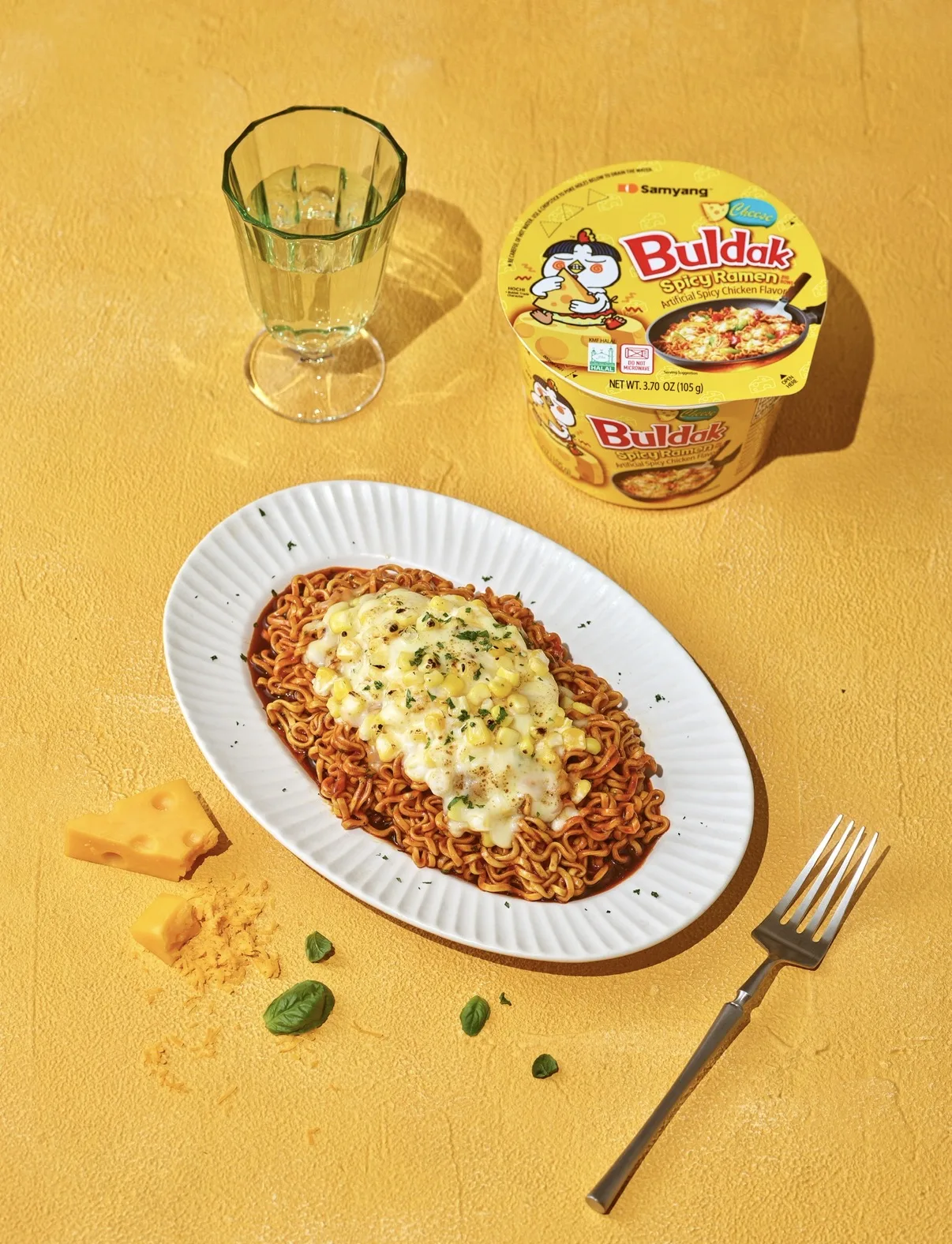
Recipe 2: Buldak Sauna Ramen
This is the ultimate upgrade to the classic snack bar ramen. Instead of the standard stir-fry method, this recipe transforms Buldak ramen into a restorative, broth-based meal designed to soothe your body after a hot bath.
Ingredients: 1 pack of Buldak ramen, 400ml water, 1 egg, chopped scallions, 1 sheet of fish cake (eomuk), 1 slice of cheddar cheese (optional).
Recipe Details: Prep Time: 2 mins | Total Time: 8 mins | Servings: 1 portion.
Macros (Per Serving): Protein: ~20g | Carbs: ~62g | Fat: ~16g.
Instructions:
Boil 400ml water in a small pot to prepare Buldak Sauna Ramen.
Cut the fish cake into bite-sized pieces and boil for 1 minute to release its flavor.
Add the dry Buldak ramen noodles and boil for 2 minutes and 30 seconds.
Add the liquid sauce packet and the flakes, stirring vigorously into the broth.
Crack the egg into the boiling liquid and cook to your desired doneness.
Turn off the heat, top with the cheese slice and fresh scallions.
Pro Tip: Adjusting the water level controls the intensity. 300ml yields a thick, intense broth, while 500ml provides a lighter soup. The fish cake adds a deep, comforting umami that perfectly replicates authentic sauna food.
The Sauna Vibe: Serve this bubbling pot on a low table while sitting on the floor. Wrap a towel around your shoulders and slurp the thrilling, hot broth to fully embrace the culture.
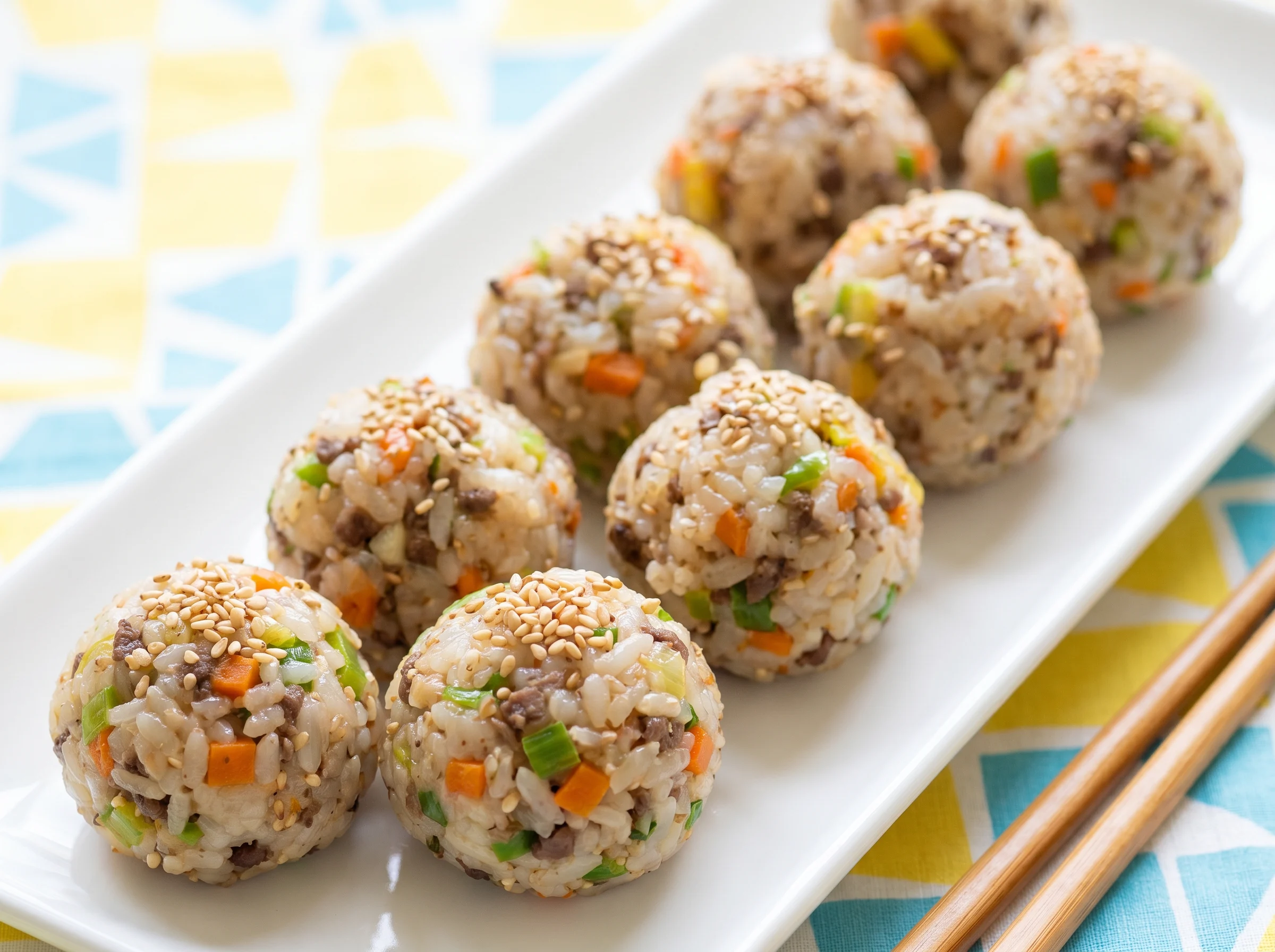
Recipe 3: Buldak Mayo Jumeokbap (Rice Balls)
These hand-pressed rice balls are a beloved Korean sauna staple. By mixing the rice with creamy, spicy Buldak Mayo, you create an intensely flavorful, bite-sized snack.
Ingredients: 2 bowls of warm cooked rice, 2 tablespoons Buldak Mayo (see swap note below), 1 teaspoon sesame oil, 2 tablespoons crushed roasted seaweed, toasted sesame seeds, a pinch of salt, finely diced ham or tuna (optional).
Recipe Details: Prep Time: 5 mins | Total Time: 10 mins | Servings: 2 portions (6-8 balls).
Macros (Per Bite): Protein: ~4g | Carbs: ~18g | Fat: ~4g.
Instructions:
In a large bowl, mix the hot rice with the Buldak Mayo, sesame oil, and salt until the rice takes on a beautiful, pale orange color.
Fold in the crushed seaweed and sesame seeds. If using ham or tuna, mix it in now.
Lightly coat your hands with sesame oil, grab a handful of the seasoned rice, and press it firmly into round balls.
Roll the finished balls in extra crushed seaweed.
Buldak Mayo Swap (for readers outside Korea): Buldak Mayo is mainly sold in Korea. If you can get a bottle, use it as is. If not, make your own by stirring 1½ tablespoons mayonnaise with 1–2 teaspoons Original Buldak Sauce (about a 3:1 mayo-to-sauce ratio) until it turns smooth and pale orange. Start mild, taste, then add a few more drops of Buldak Sauce to dial up the heat.
Pro Tip: Do not form the balls while the rice is boiling, or you will burn your hands. The creamy heat of the Buldak Mayo must be mixed thoroughly so every single bite has a uniform, exciting flavor.
The Sauna Vibe: Serve these rice balls wrapped individually in parchment paper, exactly as they are handed over the counter at a Korean spa snack bar.
Get Original Buldak Sauce — the one bottle behind every jjimjilbang recipe in this guide 🌶️
Grab Original Buldak Sauce on Amazon — start your at-home sauna feast today 🛒
Executing the Perfect Home Jjimjilbang Routine
To truly replicate the experience, you must design the entire evening, not just the menu.
The Thermal Phase: Fill your bathtub with hot water or take a prolonged, steamy shower for 15-20 minutes to replicate the heavy sweating of a Korean sauna.
The Wardrobe: Change immediately into a comfortable, matching t-shirt and shorts set.
The Lounge: Move from the sofa to the floor. Lay down a soft mat or blanket; the authenticity of a Korean spa relies heavily on floor culture.
The Feast: Start with the Buldak Dipping Eggs as a light appetizer and a shareable platter of Buldak Mayo Jumeokbap, then make the steaming Buldak Sauna Ramen your restorative main course to round off the evening.
Summary of Buldak Products Used in the 3 Recipes
| Recipe | Buldak Product Used | Spice Level |
| Roasted Egg Dipping | Original Buldak Sauce | ★★★ |
| Sauna Edition Ramen | Buldak Noodles | ★★★★ |
| Buldak Mayo Rice Ball | Buldak Mayo | ★★ |
FAQ: Buldak Sauna Recipes
Q: Are tourists actually allowed to visit a jjimjilbang in Korea?
A: Absolutely. Big spots in Seoul are highly accustomed to international visitors and often have signs in English. The fee to get in is very cheap, mostly just 10,000 to 20,000 KRW. Just keep in mind that you must take off your shoes right when you walk in the door!
Q: How long should you stay in a sauna at a jjimjilbang?
A: Beginners should limit heat-room sessions to 10–15 minutes, followed by ample rest and hydration in the lounge. If you are wondering how long you should stay in a sauna overall, experienced visitors typically spend 2 to 4 hours rotating through the rooms and enjoying the sauna food menu.
Q: Can I perfectly recreate the authentic maekbanseok eggs at home?
A: A 100% exact recreation is difficult because authentic eggs are slow-baked on mineral stones that give off slow, even heat. However, baking eggs in an air fryer for 15 mins shrinks the egg whites and gives that same chewy, roasted taste. Eating them with the hot Buldak dip completes the trick just right.
Q: How should I incorporate a jjimjilbang visit into my Seoul travel itinerary?
A: The best time to go is late in the day or at night. After a hard day of walking and sightseeing, soaking in hot baths and eating rich, warm sauna food is the best way to rest before you head back to your hotel.
Q: What exactly is the difference between standard Buldak Sauce and Buldak Mayo?
A: Buldak Mayo brilliantly combines the thrilling, savory kick of the original sauce with the heavy, rich creaminess of mayonnaise. It is significantly milder and thicker, making it absolutely perfect for putting on sandwiches or mixing directly into rice balls without making them wet and soft.
Q: Is this home experience better alone or with friends?
A: Both are fantastic. If you are alone, a steaming bowl of Buldak ramen provides a perfect, quiet evening of self-care. If you invite friends, preparing the dipping eggs and a massive platter of rice balls perfectly replicates the lively, communal atmosphere of a bustling snack bar.
The Korean jjimjilbang is not just about bathing; it is about profound, communal restoration. Families gather, couples connect, and exhausted individuals find peace on the heated wooden floors. The food served inside these walls—the nutty roasted eggs, the sweet rice drink, and the hot ramen—stems from a real need to heal and drink up after a big sweat.
Even if you cannot book a quick flight to Seoul to experience a grand Korean spa, you can fully catch that same warm, healing vibe right in your own home. By turning plain eggs, rice, and a pack of Buldak ramen into these three great meals, you are taking part in a much-loved cultural ritual.
The next time you need to chill after a long, hard week, draw a hot bath, put on your most comfortable t-shirt, and let the comforting, spicy warmth of these top sauna food recipes heal you from the inside out.
Explore all Buldak Sauces — find your perfect heat level for eggs, ramen, rice balls, and more 🔥
Find your Buldak favorites on Amazon — stock up for your next home sauna night 🚚