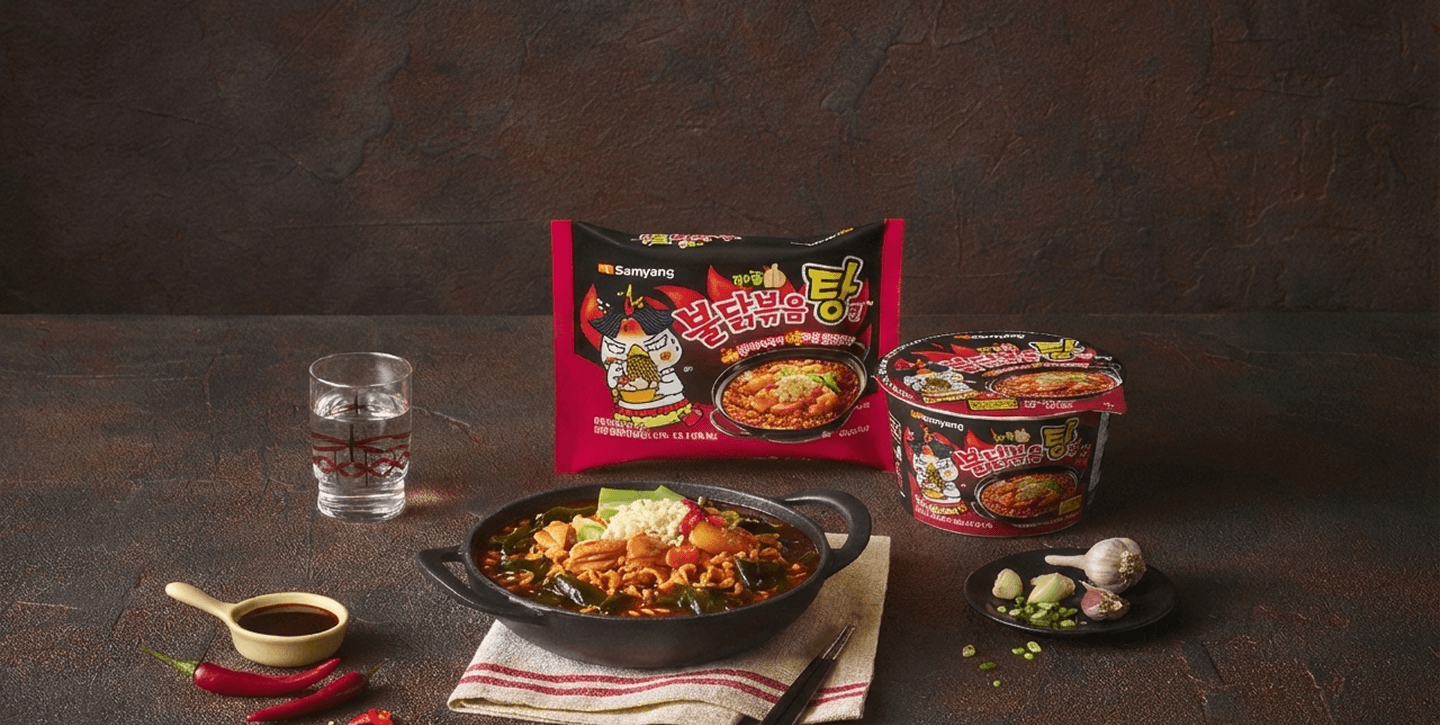
How do you enjoy your buldak noodles? What started as a viral buldak challenge has evolved into an everyday craving, and now you can find buldak noodles almost anywhere in the world. With so many varieties of buldak available, there are just as many ways to enjoy that intense, addictive heat.
Recently, instead of eating buldak noodles tossed in sauce the traditional way, a new buldak soup trend has taken over. If you spend time on TikTok or YouTube, you've probably heard of "buldak seaweed soup." This buldak recipe combines seaweed soup—one of the most beloved comfort foods in Korea—with the globally famous buldak noodles. The deep, clean umami of the seaweed broth paired with that addictive spicy kick has made this dish incredibly popular.
Today, I'll share a recipe so you can enjoy buldak seaweed soup at home. If you've only been eating buldak noodles the classic spicy way, it's time to try a whole new buldak recipe!
Discover More Buldak Flavors
Find Buldak Original on Amazon
1. When Seaweed Soup Meets Buldak: The Secret to a Surprisingly Delicious Combo
Who Started This Trend?
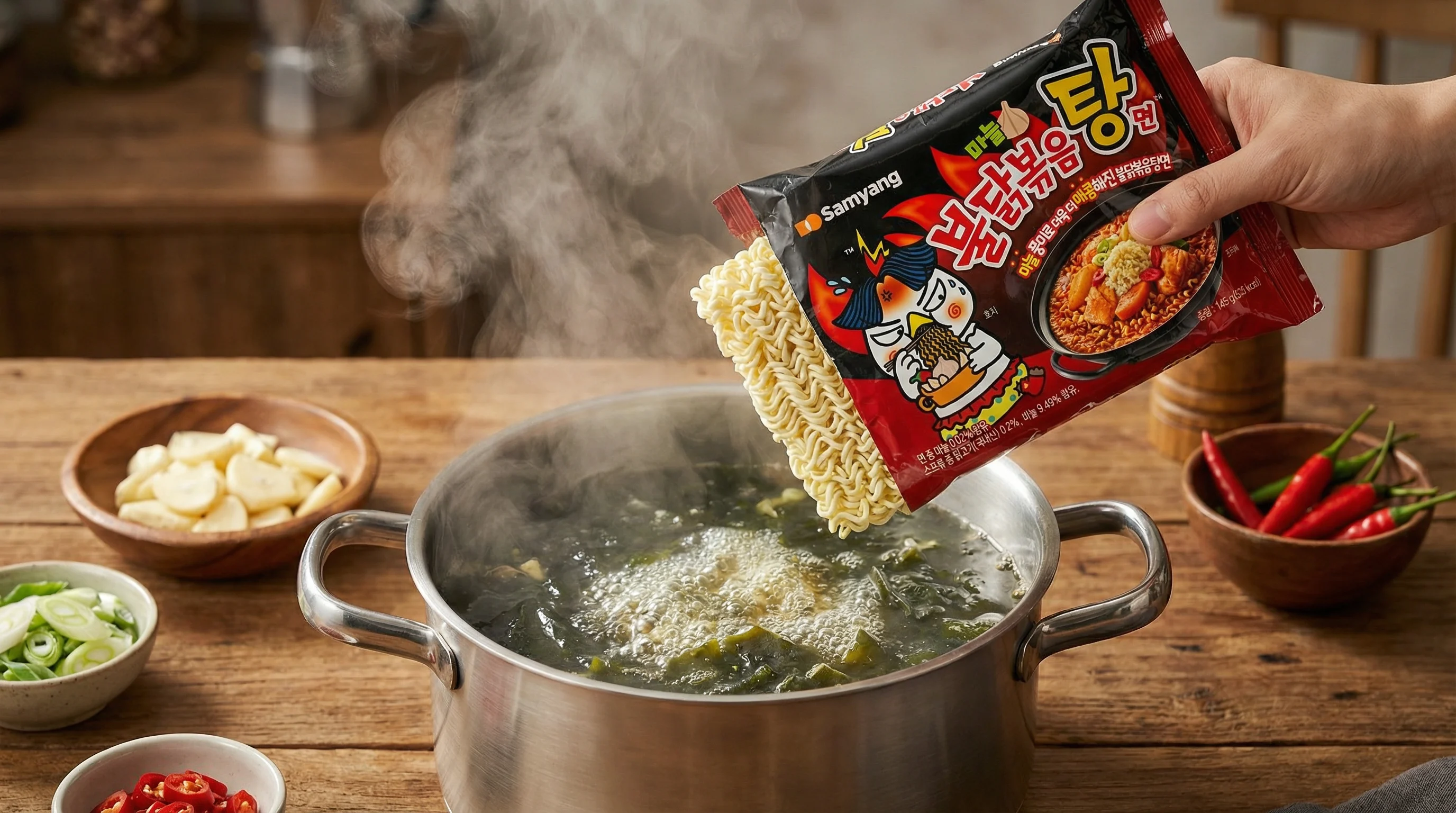
No one knows exactly who first created buldak seaweed soup. However, cooking instant noodles in leftover seaweed soup has been a beloved hack among ramen lovers for years. Then, TikTok and YouTube spread this buldak recipe far and wide, and videos of people doing the buldak challenge with soup-based buldak noodles started going viral.
When people first saw buldak seaweed soup, many thought seaweed and buldak sauce wouldn't mix well—predicting it would be a "weird food fail." But the taste was absolutely incredible.
Based on industry trends in Korea, after buldak seaweed soup went viral on TikTok and YouTube, sales of both Buldak Stir-Fried Soup Noodles and instant seaweed soup packets increased together.
Why Does Buldak Seaweed Soup Taste So Good?
Original buldak noodles are meant to be enjoyed as stir-fried noodles without broth. The heat level that inspired so many buldak challenges can be overwhelming for those not used to spicy food.
Traditional seaweed soup has a clean, mild flavor, but since Koreans often eat it for health benefits, it can taste a bit bland to modern palates accustomed to bold flavors. In buldak seaweed soup, however, the seaweed soup serves as a broth rich in glutamate—seaweed's natural umami component—which wraps around the intense heat of the buldak sauce, softening it while adding depth to the flavor.
The Perfect Pairing: Seaweed and Spicy Food
In traditional Korean medicine, seaweed is believed to have cooling properties. Scientifically, seaweed's components help boost metabolism and can have a cooling effect on the body. When you're feeling overheated from spicy food, seaweed can help bring that heat down.
Additionally, when the intense capsaicin in buldak sauce hits your tongue, its smooth, soothing texture helps soothe that burn, allowing you to enjoy that "deliciously spicy" sensation longer. Seaweed soup keeps buldak's appealing heat while significantly reducing the harsh sting, making the spicy flavor accessible to more people.
2. Seaweed Soup: Korea's Ultimate Comfort Food
Korea's Soup Culture: "It's Not a Meal Without Soup"
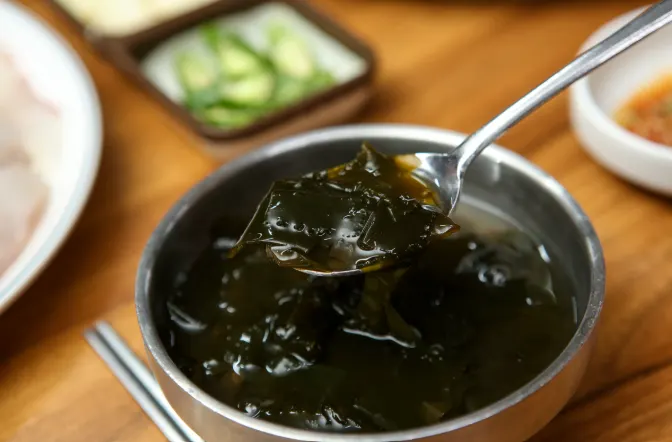
Want to learn more about seaweed soup? In Korean cuisine, soup dishes called "guk" or "tang" are essential to every meal. A traditional Korean table consists of rice, soup, and side dishes. Unlike Western soups that often serve as appetizers, Korean soups play a starring role at the table.
In Korea, there's a common saying : "It's not a real meal without soup"—that's how important soup is to Korean food culture. There's even an idiom, "there's not even broth left," used when there's nothing left to share. For Koreans, soup represents sharing, warmth, and connection.
Koreans enjoy refreshing cold soups in summer, and Interestingly, many also seek out piping hot soups to beat the heat. In Korea's chilly winters, warm soup dishes become even more popular. Among all these Korean soups, seaweed soup holds a uniquely special place.
A Soup Full of Warm Memories
If you're new to seaweed soup, Here’s what makes seaweed soup special: among all Korean soups, seaweed soup carries the deepest emotional significance for people of all ages.
A Celebration of Birth
In Korea, new mothers eat seaweed soup every day for weeks after giving birth. Seaweed helps with uterine contraction and recovery, blood clotting, and milk production. It's rich in iron and calcium to replenish blood loss, and its abundant fiber helps eliminate waste from the body. This tradition dates back over a thousand years, to before the 10th century.
This is why eating seaweed soup on your birthday in Korea carries deep meaning—it's a way to remember your mother's love and sacrifice, and to celebrate the precious day you came into this world. In fact, one common birthday greeting in Korea is simply, "Did you eat your seaweed soup?"
A Healing Food
Seaweed soup is light yet nutritious and easy to digest, which is why hospitals often serve it to patients as recovery food. It's one of the first comfort foods Koreans think of when they're feeling under the weather or missing home-cooked meals.
A Fun Fact
While seaweed soup is a celebratory birthday food, Koreans actually avoid it before important exams.
Why? Because seaweed is slippery, there's a playful superstition that eating seaweed soup will make you "slip" on your test. When someone fails an exam, they might jokingly say they "ate seaweed soup."
3. How to Make Buldak Seaweed Soup
Now that you know all about seaweed soup, shall we make buldak seaweed soup together? The viral recipe on TikTok and YouTube—ready in just 15 minutes.
Ingredients
1 packet of Buldak Stir-Fried Noodles
A small amount of dried seaweed (about 5-10g)
50g beef (brisket, chuck, or shank)
1 Tbsp sesame oil
½ Tbsp minced garlic
1 Tbsp Korean soup soy sauce (gukganjang)
A pinch of salt
Toppings of your choice (egg, green onions, sesame seeds, etc.)
The Buldak Recipe for an Umami-Rich Buldak Soup
Step 1: Prepare the Seaweed
Soak dried seaweed in cold water for about 10 minutes. Squeeze out the excess water and cut into bite-sized pieces. This way, you can enjoy both the chewy noodles and the unique texture of the seaweed.
Step 2: Build the Flavor Base
Heat sesame oil in a pot and sauté the minced garlic. Feel free to add beef, canned tuna, or your protein of choice and cook together! Protein and fat help neutralize the spiciness and add richness to the broth. If you want to taste the pure seaweed flavor, you can skip straight to Step 3.
Step 3: Sauté the Seaweed
Add the soaked seaweed to the pot and sauté together with the ingredients from Step 2. The ocean aroma of the seaweed combined with the nutty sesame oil creates a special umami that infuses your buldak soup. Seaweed can stick to the bottom of the pot easily, so stir quickly and keep it moving.
Step 4: Make the Broth
Add 500-550ml of water to Step 3 and bring to a rolling boil. Season very lightly with soup soy sauce or salt. Remember—this is a buldak recipe! The buldak sauce is coming next.
Step 5: Add the Noodles
Once the broth is boiling, add the noodles and cook until done. Start by adding only 50-70% of the buldak sauce, taste your buldak soup, then adjust to your preference! As the broth reduces, the saltiness can intensify, so don't finalize the seasoning at this stage.
Step 6: Finishing Touches
Top with green onions, sesame seeds, or your favorite garnishes. If you want to mellow out the heat even more, crack an egg in and gently stir it through.
Tips for Making Buldak Seaweed Soup
If you're new to cooking with seaweed, be careful not to use too much. Even just 5g of dried seaweed expands significantly when soaked.
If you're unsure, using pre-made instant seaweed soup is a great shortcut! Just remember that packaged soups are already seasoned, so add extra water to balance the saltiness.
If you add an egg while the broth is still boiling and stir vigorously, the soup will become cloudy and lose some of the seaweed's pure umami. For a creamy egg texture coating your noodles, add the egg right at the end and fold it in gently.
4. Buldak Seaweed Soup Variations
Want It Less Spicy?
Use only 50-70% of the buldak sauce
Add 50-100ml extra water for more broth
Add an egg or cheese
Adjusting the amount of broth or buldak sauce lets you customize the heat to your liking. Creamy egg and melted cheese help neutralize the fiery spice, so if you're not confident with heat or want to really savor the seaweed's umami, try adding egg or cheese! It'll significantly lower the buldak challenge difficulty.
Want It Richer and More Intense?
Use all the buldak sauce and reduce the broth
Add a pinch of black pepper or Korean green chili peppers
For an even more intense buldak seaweed soup experience, add all the buldak sauce and let the broth reduce slightly. The spicy sauce will absorb into the noodles, intensifying the heat. Finish with a touch of black pepper or Korean green chili for an extra kick. Just be careful not to add more salt at this point—reducing the broth concentrates the saltiness.
Want a Heartier Meal?
Add dumplings or rice cakes
For a more filling buldak seaweed soup, try adding dumplings or sliced rice cakes (tteok). They'll help absorb some of the capsaicin heat while making the dish much more satisfying. Note that rice cakes can become mushy and sticky if overcooked, so don't let them simmer too long.
The Perfect Finish: Add Rice
In Korea, eating rice with ramen broth is totally normal. Fans of this combination sometimes make "rajuk" (ramen porridge)—a dish even BTS's Jungkook has shared about. Rajuk means using ramen broth as a base to make a quick porridge.
To try Jungkook's rajuk, leave a bit of noodle in the pot, cut the remaining noodles into small pieces with scissors, add cold rice, and slowly simmer it like risotto. The soft, spicy buldak porridge is a whole different kind of delicious!
Explore More Buldak Recipes & Flavors
Get Buldak Original on Amazon
5. Try These Broth Bases Too!
Gomtang (Korean Beef Bone Broth)
Gomtang is a traditional Korean soup made by slowly simmering beef and bones for many hours. The name "gom" comes from the Korean word meaning "to simmer for a long time." Since capsaicin is fat-soluble, the rich beef fat in gomtang helps neutralize buldak's spiciness, while the deep umami from the bones and meat adds incredible depth to your buldak soup.
Chicken Broth
Did you know that the sauce that creates buldak's signature spicy flavor is actually chicken-based? A rich, smooth chicken broth enhances the existing chicken notes in buldak sauce, adding another layer of depth. You can use chicken stock, but watch the salt levels—it can get too salty quickly!
6. Who Should Try Buldak Seaweed Soup?
Soup Noodle Lovers
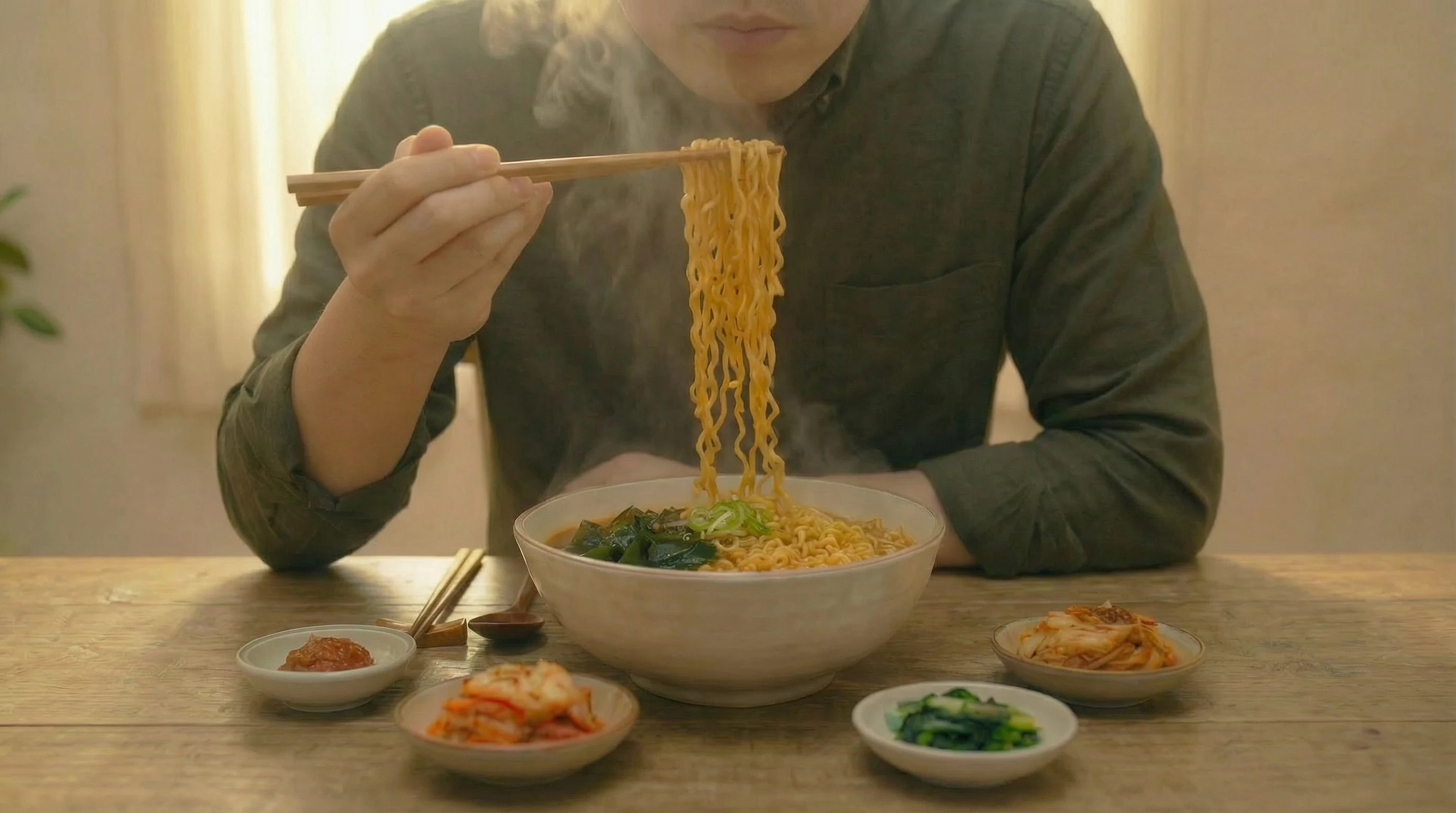
If you're not used to eating noodles without broth, or if you simply love a good soup, try making buldak seaweed soup! You get all the fiery heat while enjoying a refreshing, rich seaweed broth that warms you from the inside.
Anyone Needing a New Hangover Cure
If ramen is your go-to hangover food, switch things up with buldak seaweed soup next time. Seaweed's detoxifying properties and warm broth soothe your alcohol-irritated stomach, while the spicy buldak kicks your foggy brain awake. Just remember to adjust the buldak sauce amount since this is supposed to help your hangover!
Rice-in-Broth Enthusiasts
If you love spooning rice into your soup, buldak seaweed soup with rice is going to be something special. You get all the rich umami of traditional seaweed soup with the sweet-spicy punch of buldak sauce in every bite.
💡 Beyond the combinations suggested here, experiment with your own favorite toppings and broths to create completely new buldak noodles. If you discover a combination that's particularly delicious, share your buldak recipe with fellow buldak fans and keep upgrading it!
When your usual buldak recipe starts feeling repetitive, just adding broth can transform it into a completely different texture and flavor experience. Plus, buldak seaweed soup lets you freely adjust the broth amount and spice level to your taste.
One tip: if this is your first time making buldak seaweed soup, skip the extra ingredients like dumplings or cheese and try the original recipe first. Once you discover how delicious buldak seaweed soup is, finding your own unique buldak recipe will be half the fun!