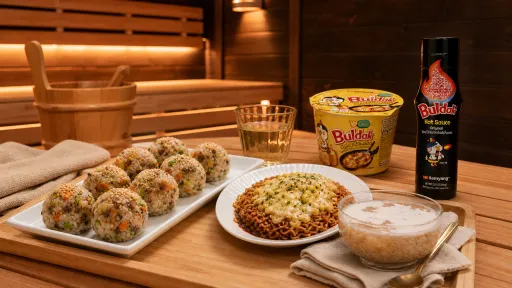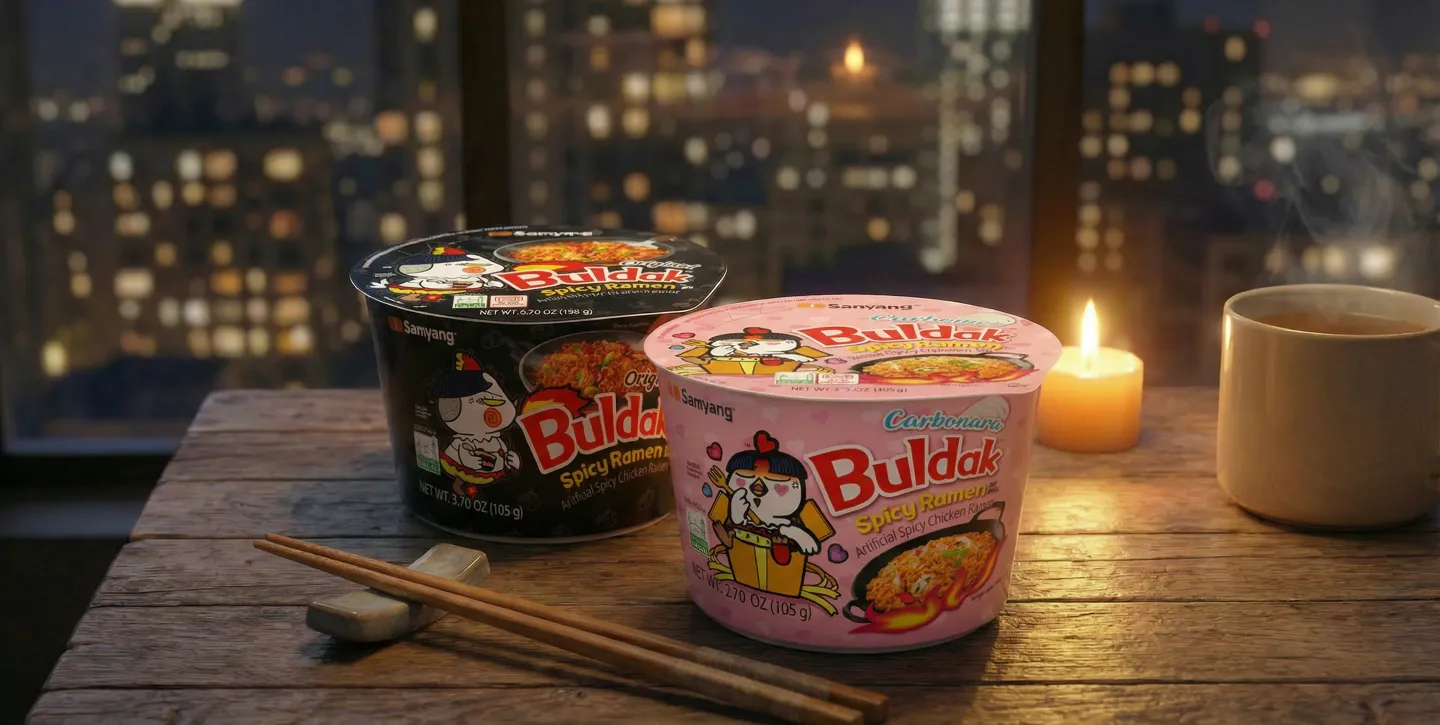
If you understand Korean nights, you will understand yasik. When people abroad think of "Korean food," they often picture classic full meals like kimchi, bulgogi, or bibimbap. These are the ambassadors of Korean cuisine during the day. However, if you step a little closer into everyday life in Korea, you will notice something more intimate—and perhaps more honest—about how many Koreans end their day. That habit has a specific name: 야식/ 夜食, which literally translates to "late-night food."
Literally, yasik means "food eaten at night," but in Korea, it goes far beyond a simple midnight snack. In Western cultures, a late-night bite might be a cookie or a cold sandwich. In Korea, some nights start light with a quick bowl of Korean ramen. However, it often expands into something closer to a full meal, such as fried chicken, spicy tteokbokki, and braised Jokbal. This is not just a casual snack for Koreans but more like late-night food, a true "final meal of the day."
What is interesting, is that this culture did not form simply because people get hungry at night. This is a lifestyle culture shaped by how Korean days are structured, including late schedules, shared nighttime routines, and an environment built around delivery and convenience foods. Many days end late with work, studying, or workouts. Night becomes a key time for relaxing and watching TV, sports, games, and YouTube. Delivery and ready-to-eat late-night food options have developed extensively around those hours. As a result, late-night meals in Korea are not considered "an occasional guilty pleasure." They have become a normal, accepted part of everyday life.
This guide will explore what Koreans really eat when the late-night cravings hit and why this culture is so unique.
Why Did Korean Late-Night Food Culture Evolve into a “Full Meal”?
Many countries have late-night snacks, but Korean late-night food often feels like a substantial, real meal. That is not because of one single reason—it is because three specific conditions work together, making late-night food unusually crucial as a daily cultural habit.
1. Days That End Late (Work/Study/Life Rhythm)
Korean daily routines often involve very busy schedules. This includes long hours at work, students staying at "hagwons" (cram schools) until 10 PM, and late-night exercise or study. Even after dinner, many people come home late or finish workouts deep into the night. Because of this, the body begins to crave a meal again. In this context, the meal is not just about calories or filling a space. It acts like a "closing button" for the day and creates the feeling of "I did enough today." In other words, not only does it fill the stomach, but it helps complete the day emotionally.
2. Nighttime is both "Alone" and "Together"
In Korea, nighttime often overlaps with shared content time. Families may gather to watch variety shows while eating chicken; friends may order snacks while gaming online; people may enjoy Chimak during a live sports match. The key point is that it is not just about "food." It becomes a way to share the night. Eating the same thing while watching the same screen creates a feeling of relaxing together. In that sense, a late meal also functions as a vital form of nighttime communication and social bonding.
3. A Powerful Delivery Ecosystem and Menu Variety
The delivery in nighttime shift provides easy access to people in Korea. This country has one of the most advanced delivery systems in the world, known as "Baedal" culture. When many foods are available late at night, choices expand far beyond just pizza. Naturally, late-night meals shift from being a snack to a full meal. Some nights you might finish with Korean ramen at a convenience store. Other nights, it feels natural to order a full meal like chicken or Jokbal delivered to your door. Over time, the definition in Korea has become clear: the late-night meal is not just "food eaten at night." It is a complete meal you can enjoy right now. This change has turned Korean late-night food into a massive industry that never sleeps.
The Core Formula of Korean Yasik: "Strong Flavor + Convenience + Combos (set culture)"
Korean nighttime menus seem diverse, but they follow a repeated formula. This formula explains why late-night cravings feel like a meal—and why certain items stay popular for decades.
1. The Flavor Must Be Strong
At night, people tend to choose foods with immediate satisfaction rather than subtle flavors. Sauces are bold, sweet-and-salty contrasts are strong, and spicy flavors wake up the appetite. The reason is simple: when nighttime comes, what people want isn't a gentle taste—it's a clear period at the end of the sentence, a strong full stop. This is one reason spicy foods are popular at night—some people find the heat energizing and satisfying after a long day.
2. It Must Be Easy and Quick
Late-night cravings often begin suddenly: "I want something now." Unlike planned meals, late-night food usually isn't something you cook carefully with cleanup afterward. If it takes too long or creates too much washing up, it loses its appeal. This is why delivery is strong—and why ramen, cup noodles, and instant foods dominate late-night choices. Convenience is king when dealing with late-night cravings.
3. It Should Be Easy to Combine (Set Culture)
In Korea, late-night dinner is often completed not as a single item but as a set. Chicken equals beer or soda (the famous Chimak). Tteokbokki equals sundae and fried snacks. Ramen equals kimchi, egg, cheese (and sometimes rice). The meal isn't just choosing one menu, it is building a nighttime "combination." That is why it often feels like a full meal: multiple elements come together to create something complete.
6 Iconic Korean Late-Night Foods
Now let's look at the most representative menus—and why they work so well as late-night food.
1. Chimaek (Chicken + Beer)
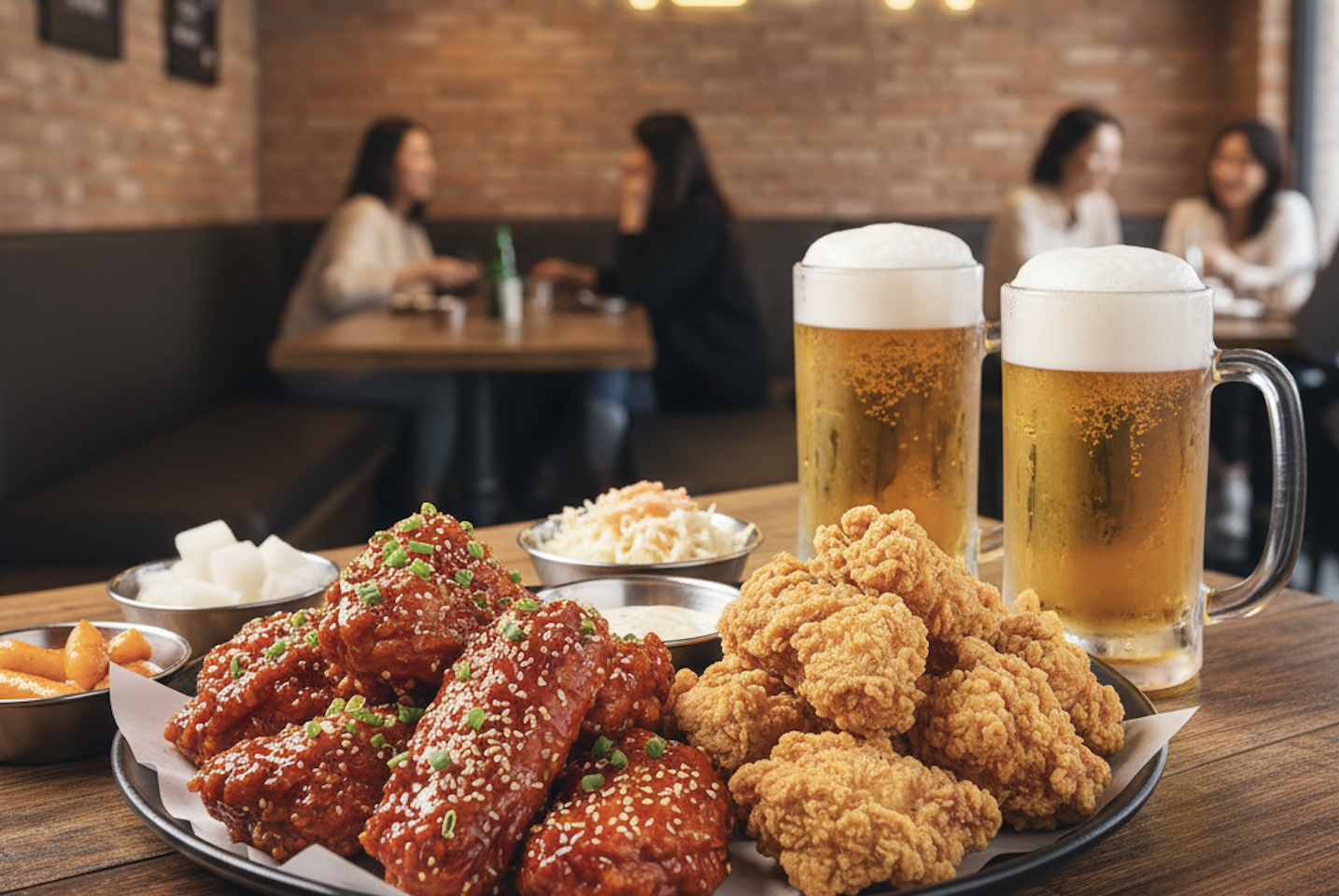
Chimak has become the symbol of Korean late-night culture. The word is the combination of "Chicken" and "Maekju", which means “beer”. Chicken is naturally ideal: it is easy to share, satisfying in one bite, and pairs perfectly with cold drinks like beer or soda that "reset" the palate. Chimak became a "culture" because it fits nighttime entertainment, such as sports, dramas, and gaming, almost perfectly. The crunch of the chicken satisfies late-night cravings instantly.
2. Ramen & Cup Noodles
Korean ramen is the basic foundation of Korean late-night food. It is fast, accessible, affordable, and endlessly expandable. You can add an egg for texture, add cheese for richness, eat it with kimchi for rhythm, or add rice at the end and it becomes a full meal. Cup noodles match the late-night demand for maximum satisfaction with minimum effort, and they have become a "night standard" alongside Korean convenience store culture. The "Hangang Ramen" (cooking ramen by the Han River) is a quintessential late-night food experience for youth.
3. Tteokbokki + Sundae + Fried Snacks
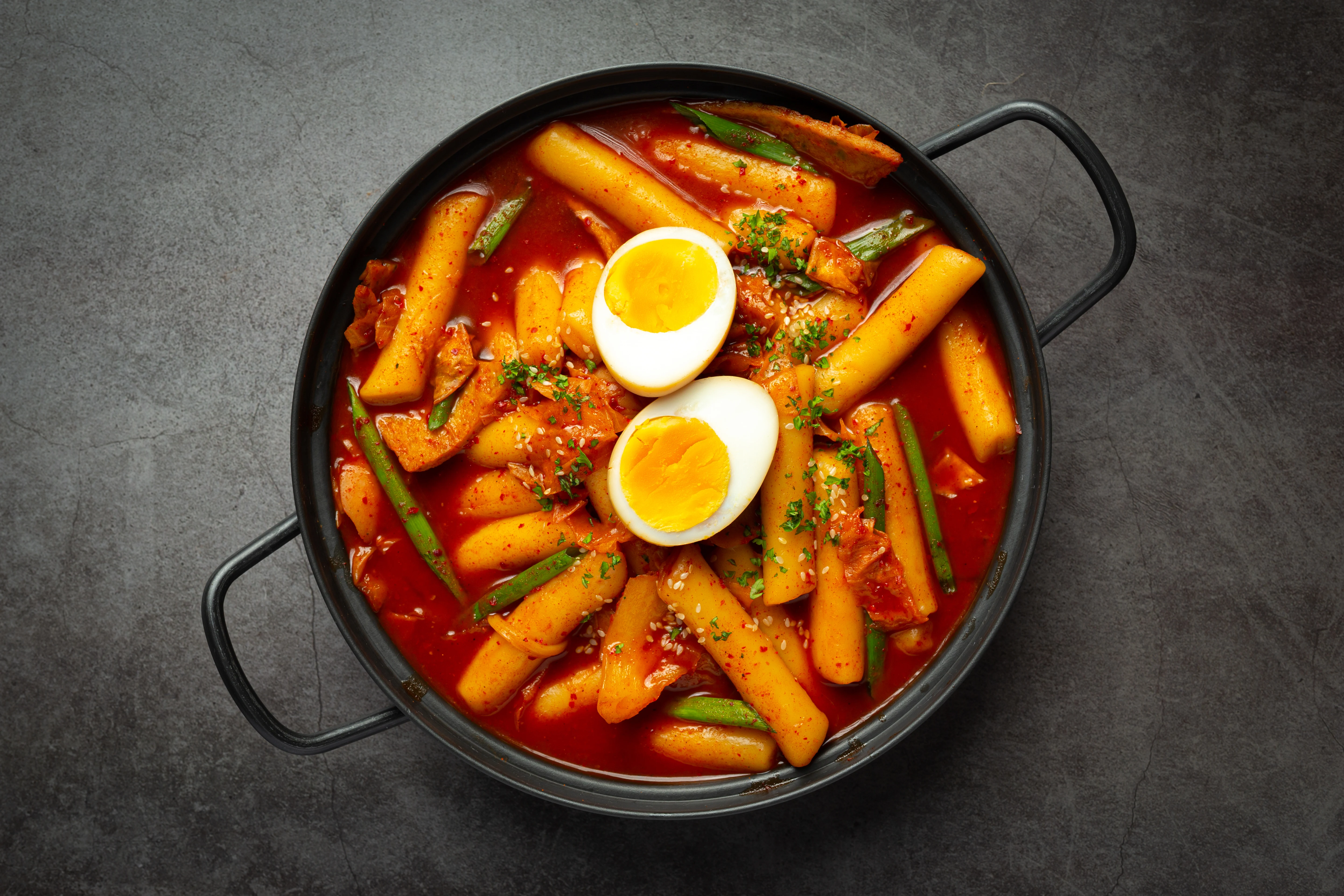
This classic street-food mix shows the best of Korean "set culture." Tteokbokki brings a sweet and spicy taste. Sundae (Korean blood sausage) adds a full and heavy feel. Twigim (fried snacks) adds a crisp texture. This set is very popular at night. It is also perfect for sharing in groups. It is a great example of Korean late-night food that balances textures in a perfect way.
4. Jokbal / Bossam
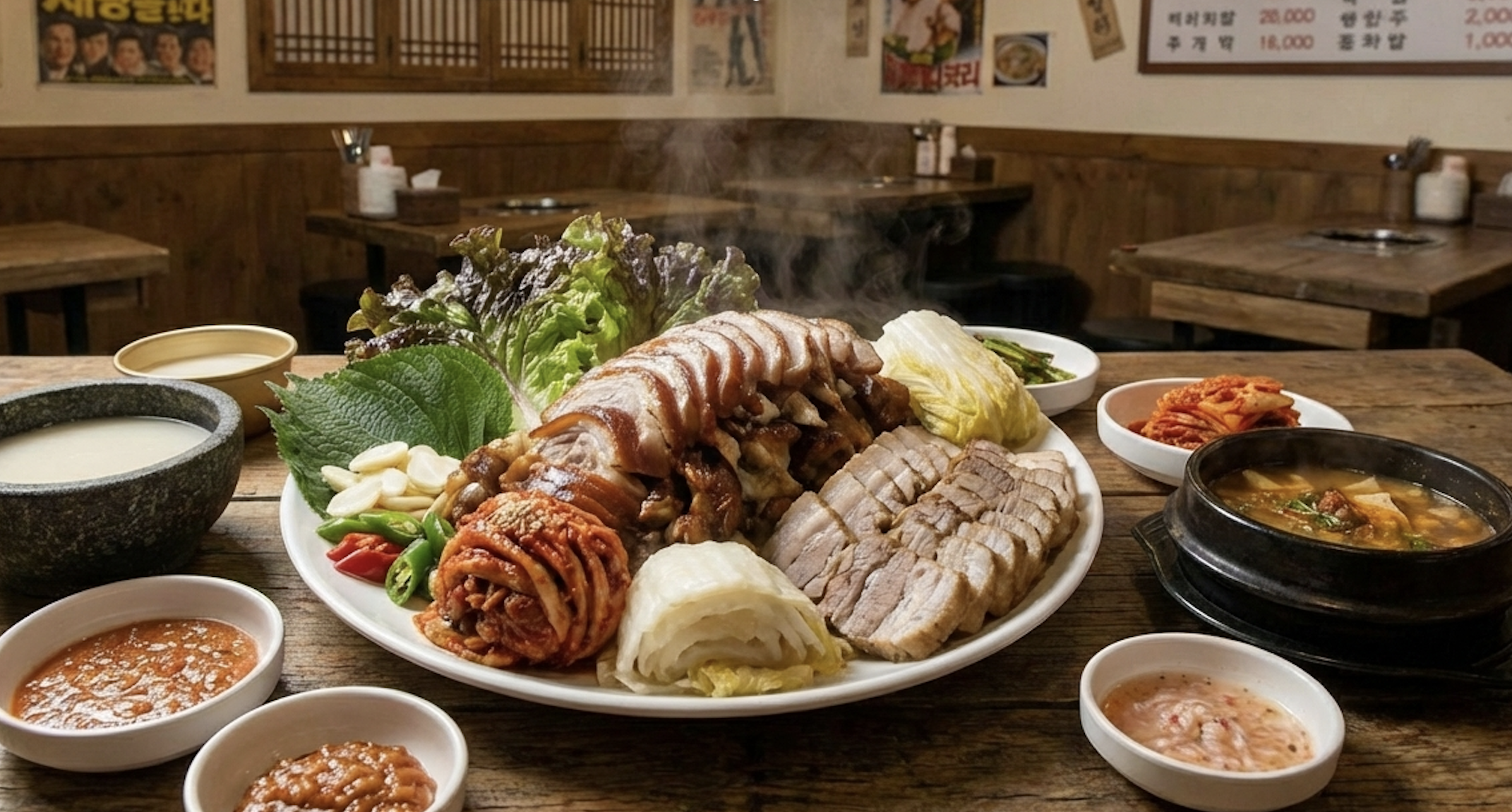
These menus prove that Korean yasik isn't only "snacks." Jokbal (braised pig's trotters) and Bossam (boiled pork belly) arrive as full eating systems. They are served with fresh vegetables, garlic, peppers, dipping sauces (ssamjang), and kimchi. The act of making wraps turns the meal into a "real dinner," even late at night. Jokbal is rich in collagen and has a chewy texture that Koreans love. People often choose Jokbal on nights when a simple snack isn't enough. It is for those times when the day has been too long and you need something that truly closes it.
5. Pizza
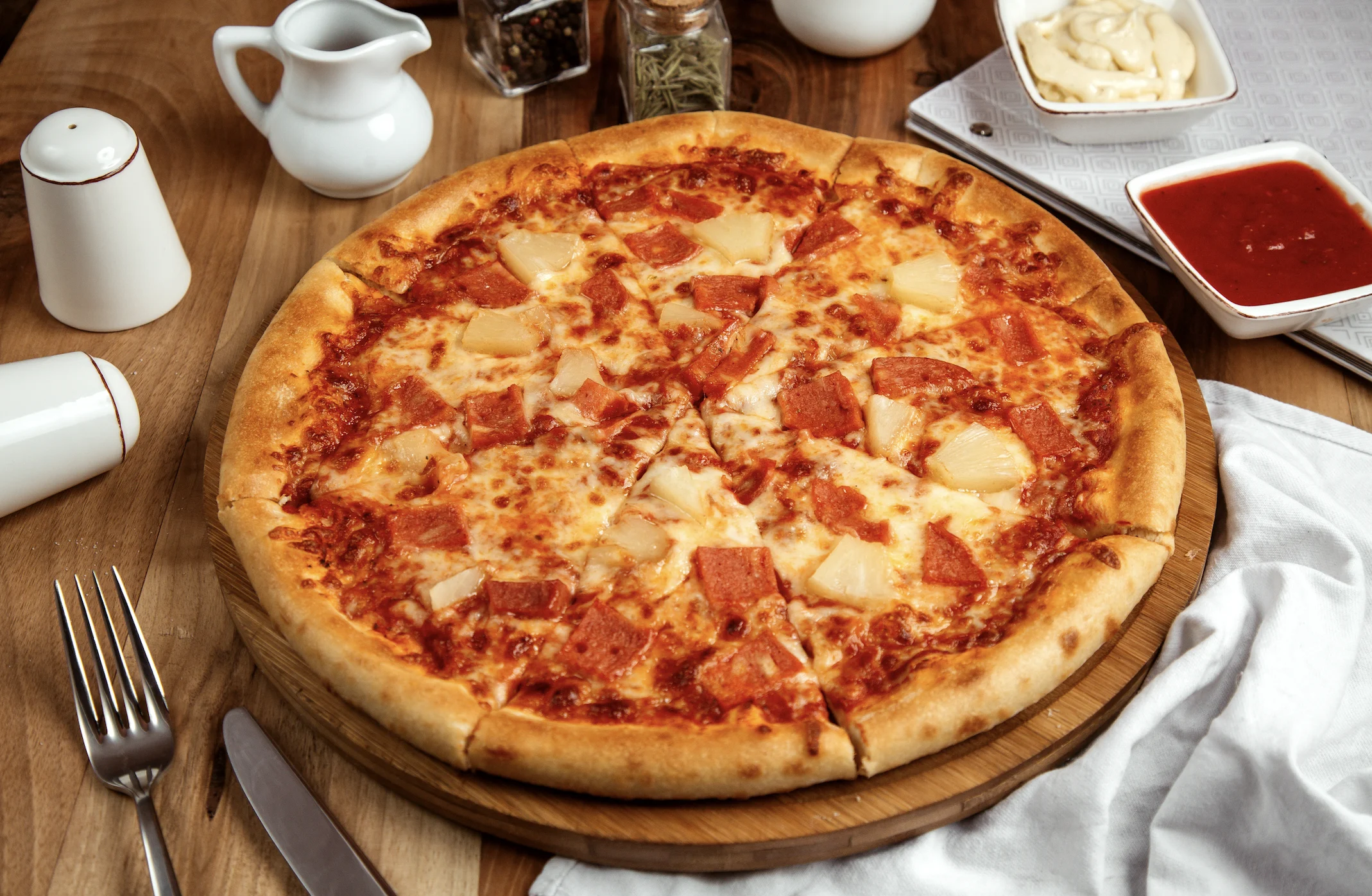
Pizza is a popular late-night favorite across the world, and it ranks high in Korea also. Korean pizza is known for its rich toppings. These often include sweet potato mousse, corn, or bulgogi. It delivers well and is easy to share with others. It fits perfectly with nighttime movies, games, and long talks. It stands with other popular late-night food choices as a Western-style comfort.
6. Soup & Rice (Gukbap / Hangover Soup)
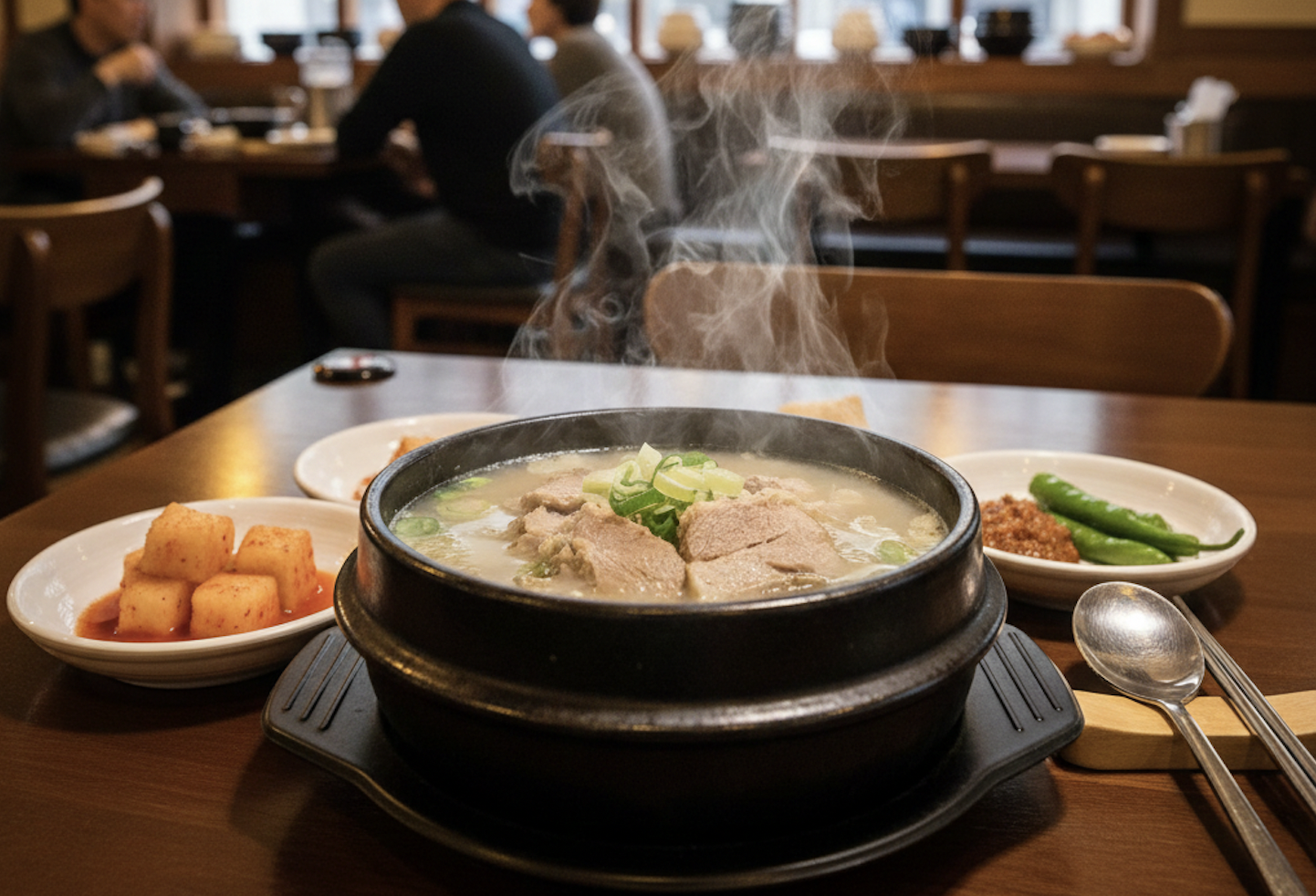
Not all Korean late-night food is oily or spicy. Some nights call for something warm and restorative. Especially after drinking, during cold seasons, or after exhausting days, hot soup and rice feel like "clean closure." Dishes like sundae-guk or haejang-guk provide warmth and nutrients. This shows again that late-night food includes full-meal choices—not just snacks.
Why Buldak Products Fit Naturally into Korean Late-Night Culture
Late-night cravings are not only about hunger. They often come from a desire to "close the day." That is why the meal evolved toward meal-level satisfaction. It is also why Korean ramen almost always appears in the late-night scene. Buldak products fit perfectly into this case.
Buldak Ramen & Buldak Ramen (Big Bowl/Cup)
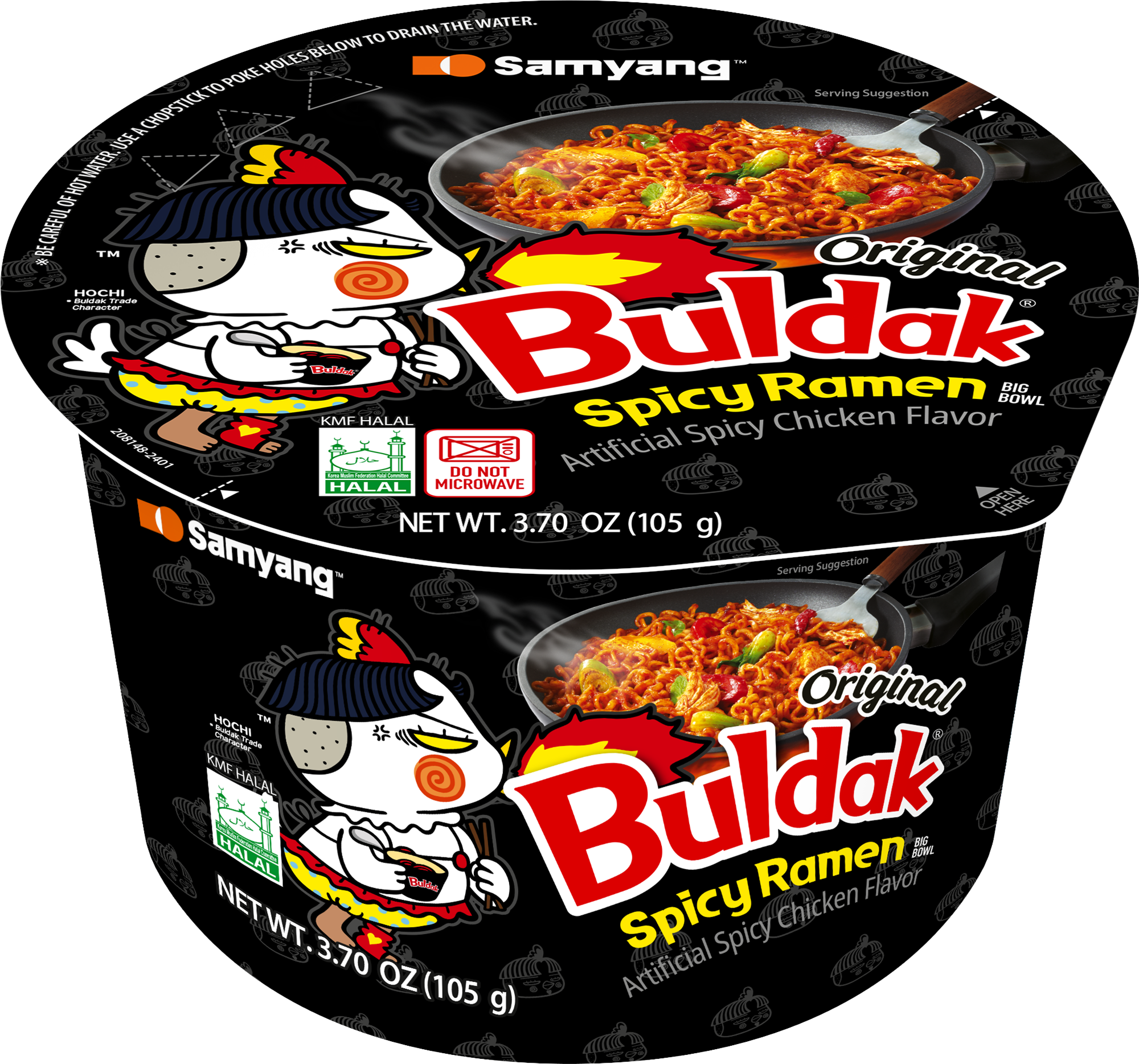
Buldak connects directly to ramen—the most common late-night base in Korea. The reasons people crave ramen at night (speed, satisfaction, customization) apply naturally here. The pack version fits especially well when late-night food turns into a full meal: boiling noodles feels like "closing the day," and toppings like egg, cheese, and green onion quickly raise it to meal-level. The flavor stays bold even with additions, so it doesn't get diluted. The cup version is optimized for instant late-night satisfaction: just add hot water, no dishes, and it is easy to eat while watching dramas, gaming, or scrolling YouTube. Its strong flavor gives the kind of clear "full stop" people want at the end of the night.
Meet your new go-to late-night food with Buldak 🌙
Buldak Tteokbokki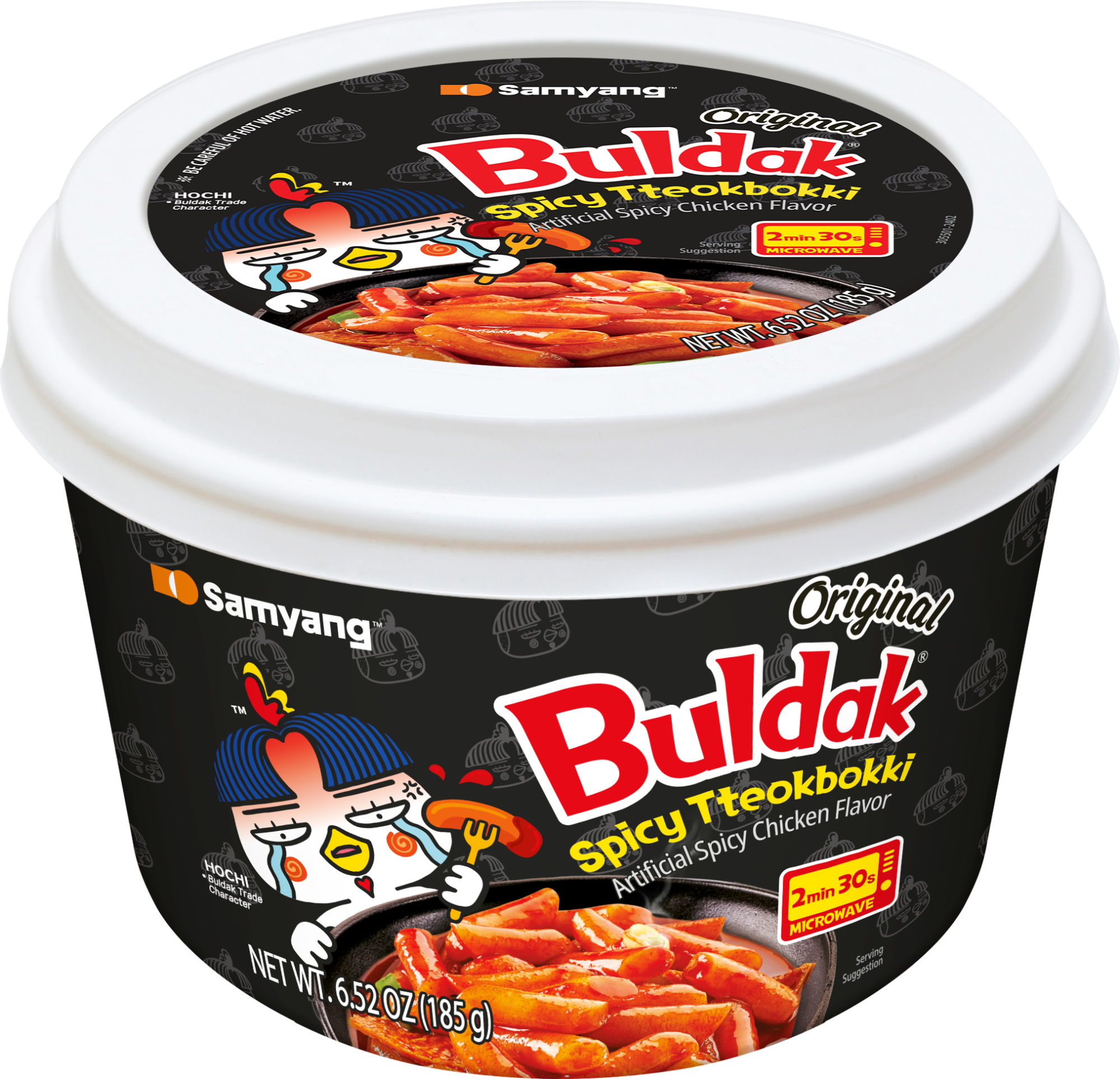
Buldak tteokbokki matches Korea’s iconic "Bunsik set" culture. It recreates the delivery tteokbokki vibe at home with minimal effort—perfect for the convenience side of late-night dishes. Add fish cake, cheese, or boiled eggs and it quickly becomes a complete late-night food, whether you eat alone or share.
Buldak Fried Rice
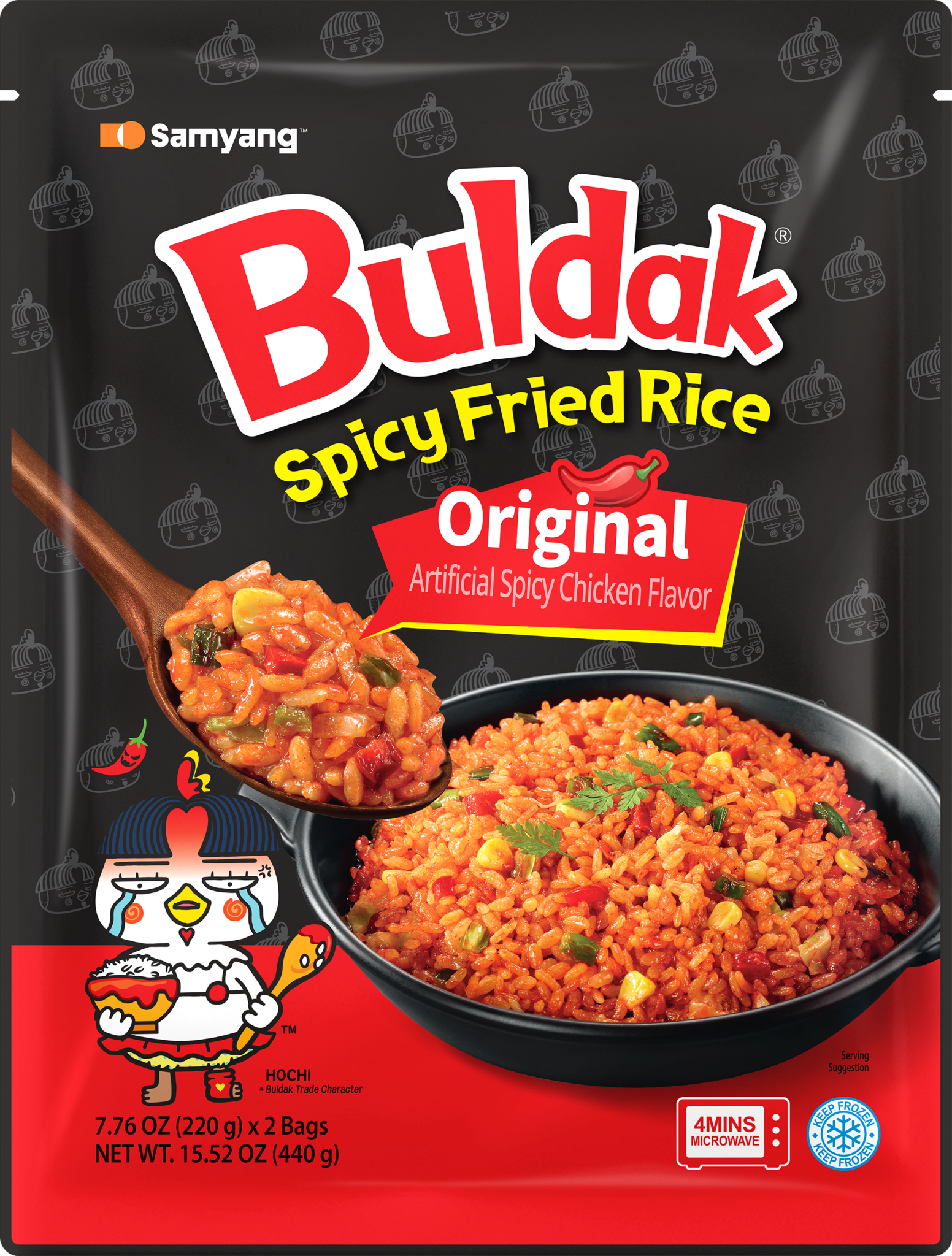
Buldak fried rice fits the moment when late-night food becomes truly "a meal"—when ramen is not enough and you need rice for fullness. It supports the story of Korean yasik, expanding from snack to meal, while staying easy to prepare late at night. One bite gives bold satisfaction, making it a strong ending for the day. This satisfies the need for carbohydrates that often comes with late-night cravings.
Buldak Snacks (e.g., Chips)
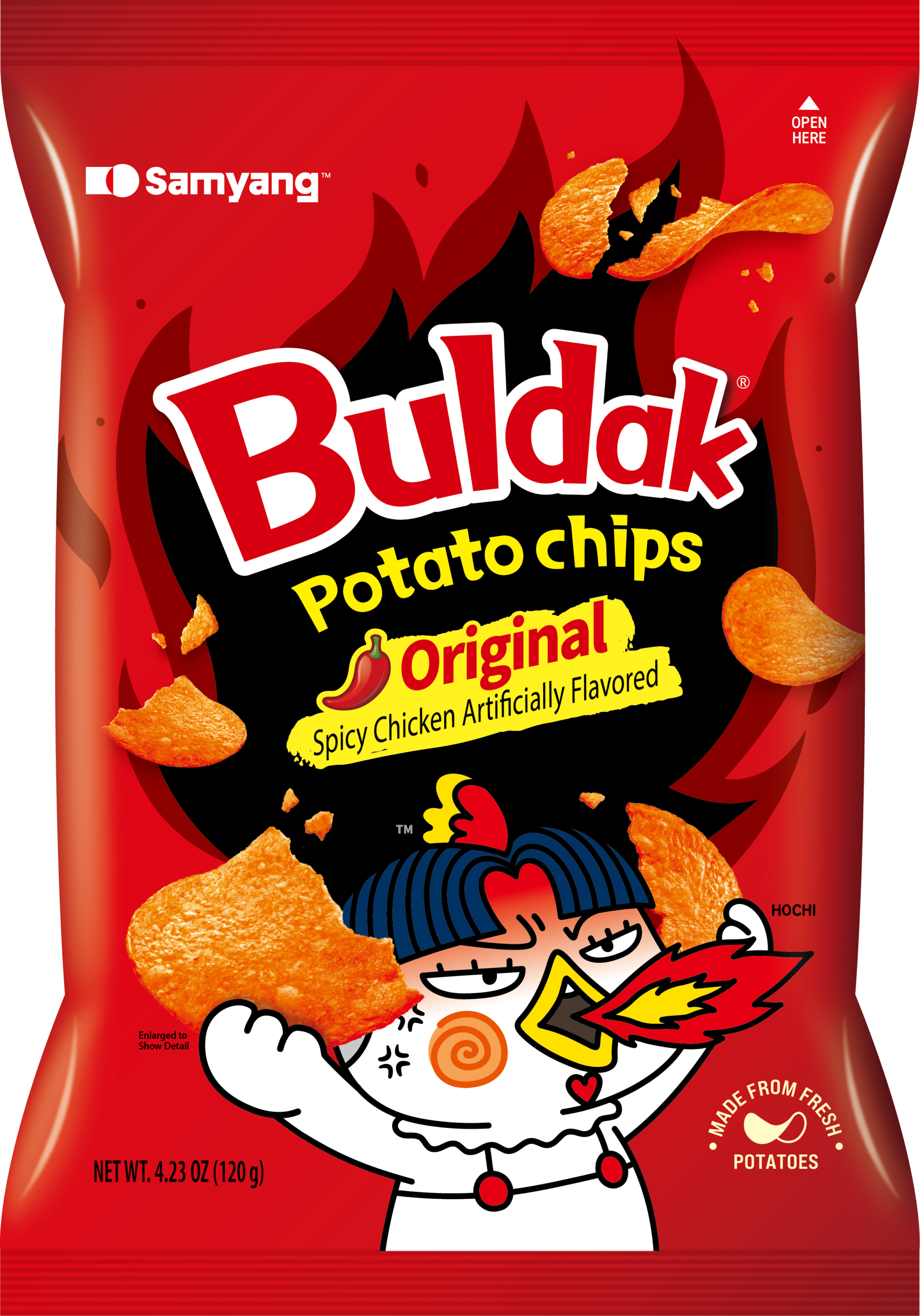
Not every night becomes a full meal. Some nights are "snack mode"—dramas, games, or casual scrolling—when you want something you can keep grabbing. In that spectrum, Buldak becomes not just a noodle brand, but a spicy flavor option that can help shape the night. It satisfies those smaller late-night cravings with a familiar kick.
Yasik Is a Way of Ending the Day
Yasik is not a menu list—it is a way of ending the day. Korean late-night food is not simply "a snack because you are hungry." It is a daily culture built from late schedules, shared nighttime content habits, and an ecosystem of delivery and convenience foods.
That is why this sentence feels natural in Korea: "What we eat at night isn't a snack—it's basically a meal."
The reason yasik becomes a meal can be summarized in one formula: the flavor must be strong (immediate satisfaction), it must be convenient (delivery or quick cooking), and it must be easy to combine and share (set culture). Chicken, tteokbokki sets, Jokbal, and ramen have survived for years because they fit this formula so well. And as convenient late-night food options continue to grow, Buldak products fit naturally as a present-day extension of Korean culture.
Buldak Ramen, Buldak tteokbokki, and Buldak fried rice each offer different ways to complete a Korean-style late-night food quickly. In the end, Korean nighttime is not just about eating—it is a way of enjoying the end of a day. Whether it's Chimak, Jokbal, or Korean ramen, Korean late-night food is here to stay.
Meet your new go-to late-night food with Buldak 🌙
Upgrade your midnight meal in minutes. Shop Buldak on Amazon 🛒🔥