Quick Summary
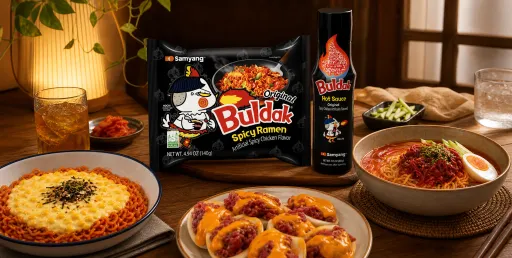
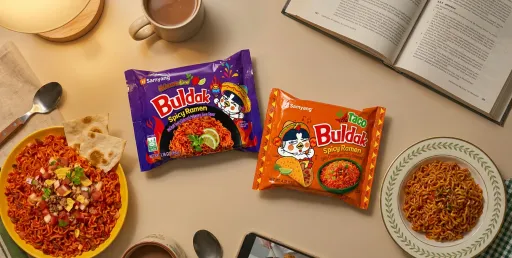
Buldak is not just for ramen. Its spicy sauce base works with pasta, rice noodles, jjamppong noodles, glass noodles, and naengmyeon, turning simple carbs into bold meals in about 10 to 20 minutes.
All five picks use a different noodle base, each paired with the right Buldak flavor so the heat, texture, and richness work with the dish instead of overpowering it.
Best lineup: Buldak Carbonara Pasta for the richest creamy-spicy blend, Buldak Glass Noodle Stir-Fry for the best chewy bite, and Buldak Naengmyeon for the cleanest spicy-cold finish.
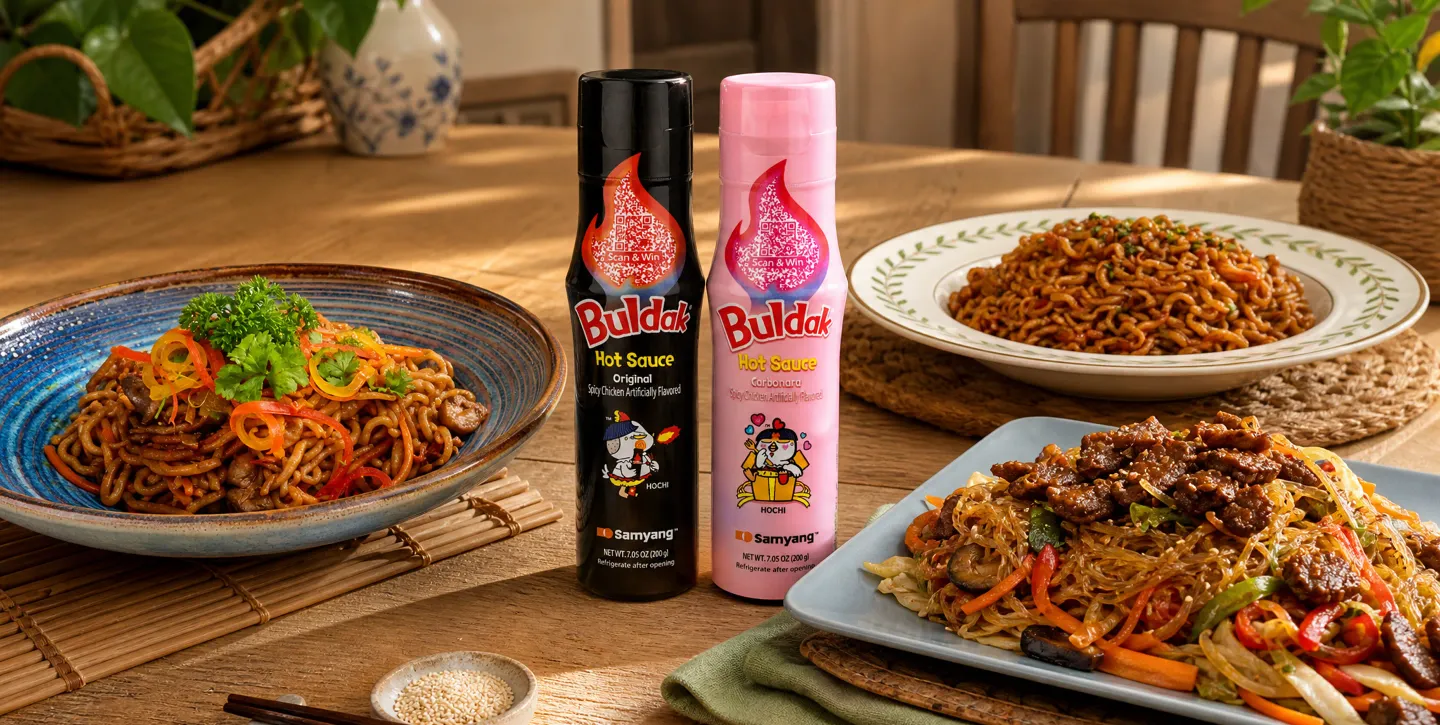
When you hear the name Buldak, your mind probably goes straight to a steaming bowl of fiery instant ramen. That connection makes sense, but the same spicy, savory flavor can work far beyond one pack of noodles. A jar of sauce or a ramen sauce packet can become a quick flavor base for pasta, rice noodles, jjamppong noodles, glass noodles, and naengmyeon.
The reason it works is simple: each noodle carries heat in a different way. Italian pasta holds a creamy sauce on the surface, rice noodles absorb a quick spicy glaze, jjamppong noodles carry heat through broth, glass noodles soak up seasoning while staying chewy, and naengmyeon balances spice with cold broth and acidity.
This guide looks at five practical noodle recipes beyond instant ramen and explains how to match Buldak with the right noodle texture. You will learn when to add the sauce, how to balance the heat, and why each base creates a different kind of spicy bowl.
Why Buldak Works with Different Noodles
The Science of Sauce and Noodles: The Principles of Pairing
Just as traditional Italian pasta recipes state that some sauces need certain shapes (like rich ragu with wide pasta), there is a simple pairing principle to pairing Asian sauces with different noodles. The true core of this science lies in how the sauce sticks to the outside and how fast the noodle soaks up water.
Firm Texture (Pasta and Jjamppong Noodles): When a noodle is thick or firm, the sauce acts as a glossy coat on the outside.
High Absorption and Softness (Rice and Glass Noodles): These soft noodles act like food sponges. The sauce does not just sit on the outside; it sinks deep into the core of the noodle. The rich, soy-based taste of the sauce soaks all the way through. This leads to deeply filling, well-flavored homemade noodle recipes.
Light and Cold Texture (Naengmyeon and Thin Rice Noodles): When the noodle itself is light or served cold, the strong sauce must be well-balanced. By utilizing a cold broth or a sesame oil base, the sauce delivers a clean, sharp, and sophisticated spicy kick that does not overwhelm the delicate, nutty aroma of the noodles.
Why It Functions as a Universal Seasoning
The reason this condiment transcends basic ramen and elevates diverse noodle recipes and complex pasta recipes lies in its balanced flavor base.
The Soy Sauce Rich Base: At its core, the sauce is built on a deep, rich soy sauce base. This gives the key taste that is a must in East Asian cooking, quickly adding deep flavor to any dish.
The Flex of the Heat: The spicy heat is highly flexible. It smoothly binds with thick cream, rich butter, melted cheese, or toasted sesame oil, letting you easily change the strength of the hot kick.
A Huge Product Lineup: The plain sauce gives a sharp, bright heat. The Carbonara kind offers a smooth, rich spice. And the single ramen packs give a highly packed taste punch.
What Makes Buldak Sauce Versatile for Homemade Noodle Recipes
When you build a list of noodle recipes and smart pasta recipes, your taste base must meet three strict rules. Does it pair well with many foods? Can it be used right away with no long cook times? Does it give a top, full taste? This brand fully hits all three.
An Instantly Complete Sauce: You do not need an extra pot to boil a hard mix for hours. Whether you are learning how to cook pasta or making a quick noodle stir-fry, adding a spoonful of this sauce at the right time helps complete the dish.
Versatility Across Cooking Methods: Whether you do a hot wok fry, make a cold dip noodle, or build a rich cream sauce, this fun taste blends right in.
Flexible Noodle Bases: Rice noodles and sweet potato glass noodles are useful wheat-free bases, but always check the sauce label if you avoid gluten.
Practical Guide to Noodle Pairings
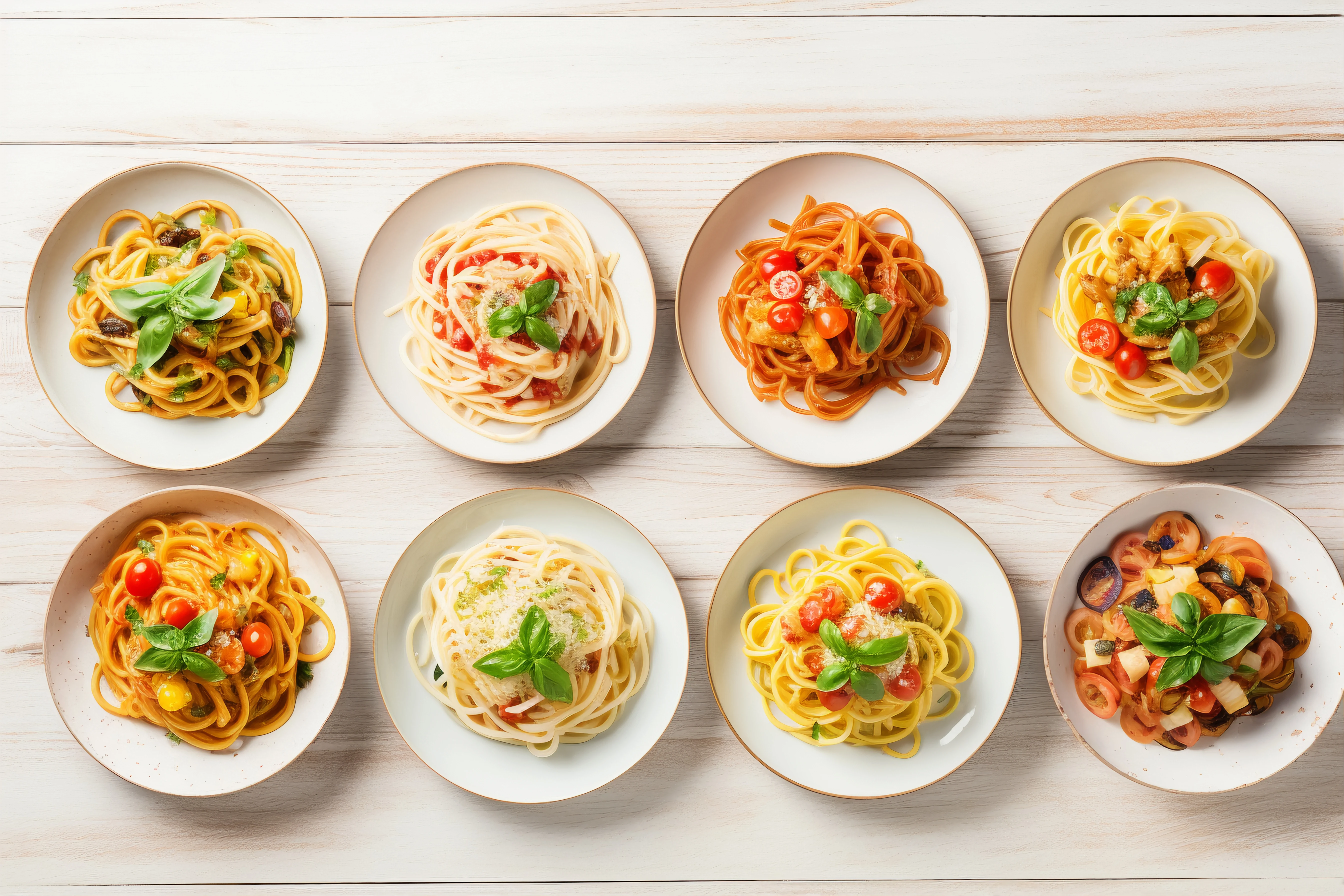
1) Strategic Base Matching: Picking the right noodle fully changes the end taste.
| Noodle Base | Best Buldak Pairing | Best Method | Why It Works | Best For |
| Pasta | Carbonara Buldak flavor | Off-heat emulsion with pasta water, egg yolk, and cheese | Firm pasta holds the creamy spicy sauce on the surface, while starchy pasta water helps the sauce turn smooth and glossy. | Creamy spicy pasta recipes |
| Rice Noodles | Original spicy sauce | High-heat stir-fry | Flat rice noodles absorb sauce quickly, so a short stir-fry creates a bold glaze without needing a long cook time. | Fast gluten-free noodle recipes |
| Jjamppong Noodles | Original spicy sauce with broth | Toast with aromatics, then simmer in seafood or chicken broth | Chewy wheat noodles work well in spicy broth, and the sauce adds heat while the broth adds depth. | Hot, brothy homemade noodle recipes |
| Glass Noodles | Original spicy sauce with sesame oil and soy sauce | Pre-season, then stir-fry | Sweet potato glass noodles absorb seasoning fast but stay chewy, making them ideal for a sweet, savory, and spicy glaze. | Chewy stir-fried noodle recipes |
| Naengmyeon | Original spicy sauce with chilled broth, vinegar, and mustard | Cold mix after boiling and rinsing | Cold broth softens the heat, while vinegar and mustard keep the flavor sharp, clean, and refreshing. | Spicy cold noodle recipes |
2) How to Add Buldak Sauce to Different Noodles
| Timing | Best For | How It Works | Key Tip |
| Off-Heat | Pasta | Mix the sauce after turning off the heat so eggs, cheese, or cream stay smooth instead of splitting. | Save pasta water before draining. |
| High-Heat Glaze | Rice noodles and glass noodles | Toss the sauce in a hot pan so it clings to the noodles and creates a stronger glaze. | Keep the noodles moving to prevent sticking. |
| Broth Base | Jjamppong noodles | Toast the sauce briefly with aromatics before adding broth to build deeper flavor. | Do not add the sauce only after the broth is fully diluted. |
| Cold Mix | Naengmyeon | Mix the sauce into chilled broth after the noodles are boiled and rinsed. | Use vinegar or mustard to balance the heat. |
5 Easy Buldak Noodle Recipes Beyond Ramen
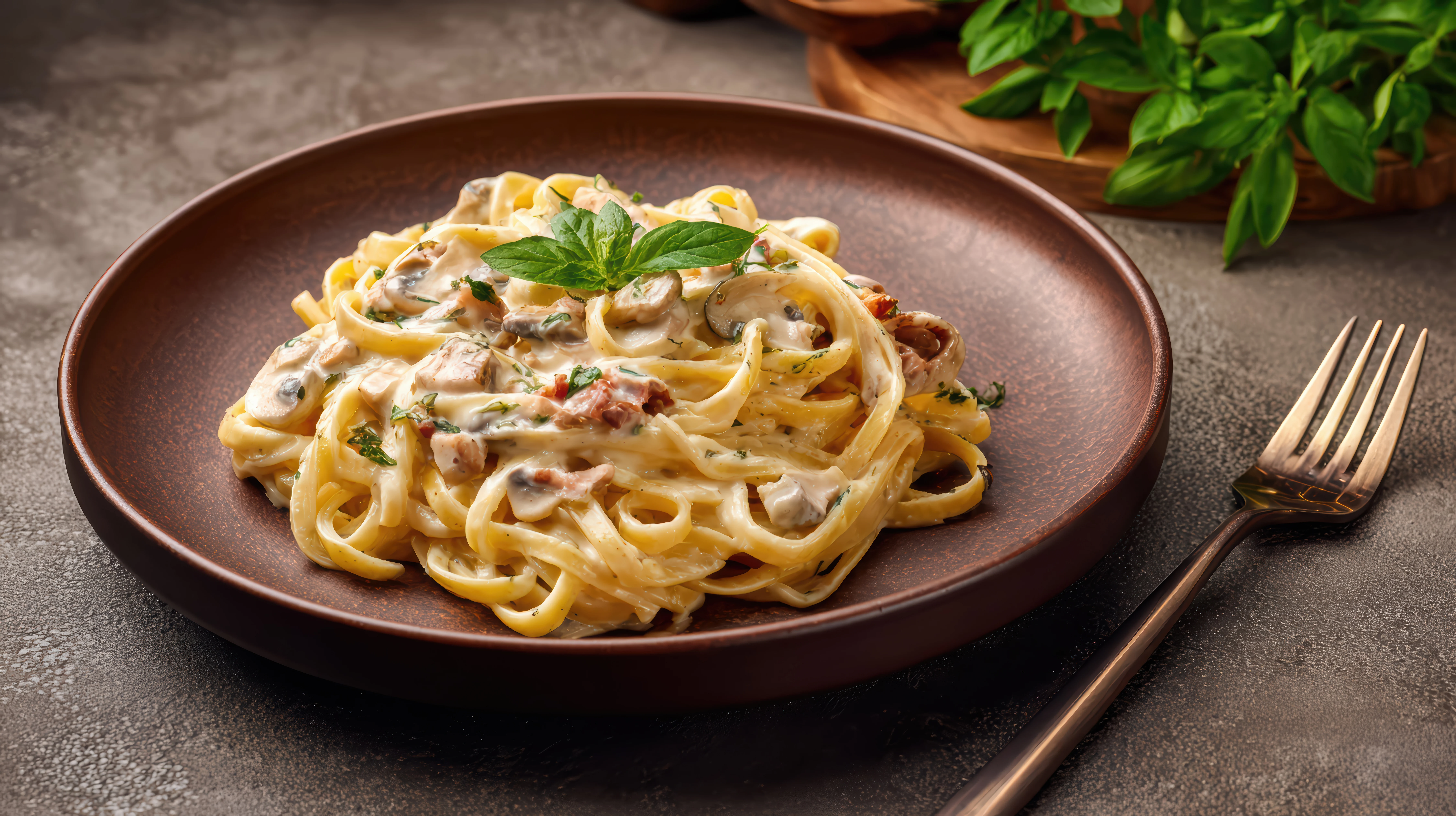
Recipe 1: Buldak Carbonara Pasta
This Buldak Carbonara Pasta uses the same core idea as classic carbonara: hot pasta, egg yolk, cheese, and starchy pasta water create a glossy sauce. The spicy carbonara flavor adds heat without hiding the creamy texture, making it one of the easiest pasta recipes to try first.
Ingredients: 150g spaghetti or linguine, 2 tablespoons Carbonara Buldak Sauce, 2 raw egg yolks, 30g freshly grated Parmesan cheese, 50g pancetta or thick-cut bacon, 1 teaspoon minced garlic, 1 tablespoon olive oil, fresh parsley, salt, and black pepper.
Recipe Details: Prep Time: 5 mins | Cook Time: 10 mins | Total Time: 15 mins | Servings: 1-2 portions.
Estimated Macros (Per Serving): Protein: ~28g | Carbs: ~58g | Fat: ~22g.
Instructions: The key to how to cook pasta for this recipe is saving enough starchy pasta water.
Boil your pasta in heavily salted water until it is strictly al dente (usually 1 minute less than the package instructions). Crucially, reserve 80ml of the starchy pasta boiling water.
In a small bowl, whisk together the egg yolks, Parmesan cheese, and Carbonara Buldak Sauce to form a thick paste.
In a large skillet, heat the olive oil and fry the pancetta and garlic until crispy.
Turn off the heat entirely. Add the hot, drained pasta to the skillet, then immediately pour in the egg and spicy sauce mixture.
Toss vigorously, adding splashes of the reserved pasta water until a thick, glossy, creamy sauce forms.
Garnish with parsley and black pepper.
Pro Tip: Turn off the heat before adding the egg mixture. This is the most important step when learning how to cook pasta in a carbonara style because gentle residual heat keeps the sauce creamy instead of scrambled. If the pan is too hot, the eggs will scramble, ruining the luxurious, creamy texture. The starchy pasta water is the key ingredient that emulsifies the fat and the spicy sauce together.
Flavor Profile: The rich, fatty egg sauce and the sharp Parmesan beautifully cushion the spicy heat, creating an incredibly elegant, deep flavor profile.
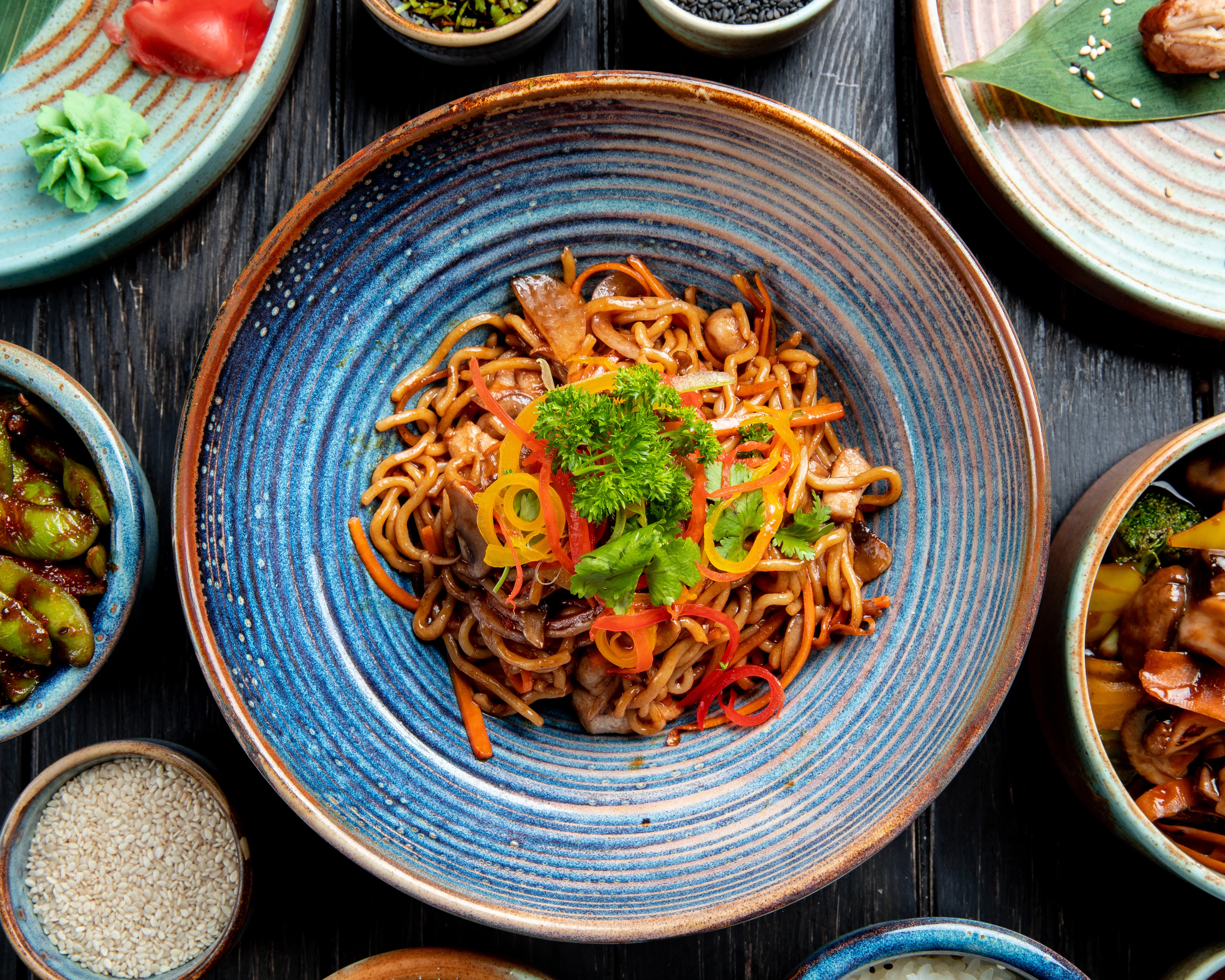
Recipe 2: Buldak Rice Noodle Stir-Fry
This rice noodle stir-fry uses flat noodles that soak up spicy sauce quickly, so every bite tastes bold without needing a long simmer. It is one of the easiest gluten-free homemade noodle recipes in this list, especially if you want a fast pan-fried dish.
Ingredients: 150g wide flat rice noodles, 1.5 tablespoons Original Buldak Sauce, 2 eggs, a large handful of fresh bean sprouts, 2 tablespoons chopped scallions, 1 teaspoon fish sauce, 1 teaspoon fresh lime juice, crushed roasted peanuts (optional), cooking oil.
Recipe Details: Prep Time: 20 mins soaking | Cook Time: 5 mins | Total Time: 25 mins | Servings: 1-2 portions.
Estimated Macros (Per Serving): Protein: ~18g | Carbs: ~55g | Fat: ~12g.
Instructions:
Soak the dry rice noodles in cold water for 20 minutes until pliable, then drain.
Heat a wok or large pan over high heat with a generous splash of oil.
Scramble the eggs quickly, then push them to the side.
Add the soaked rice noodles and bean sprouts, stir-frying aggressively over high heat for 2-3 minutes.
Add the sauce and fish sauce, tossing continuously until the noodles are evenly coated in the brilliant red glaze.
Turn off the heat and finish with lime juice, scallions, and crushed peanuts.
Pro Tip: Soak the rice noodles until they bend without snapping. If they are too firm, they will break in the pan; if they are too soft, they will turn mushy. The fish sauce provides a fermented, deep umami that harmonizes very well with the savory kick of the chili base.
Flavor Profile: The lime juice cuts through the heavy spice, giving the dish a bright, balanced, and spicy finish.
Try Buldak Carbonara Sauce — make creamy spicy pasta beyond ramen 🧀
Order Buldak Carbonara Sauce on Amazon — bring creamy heat to your next pasta bowl 🛒
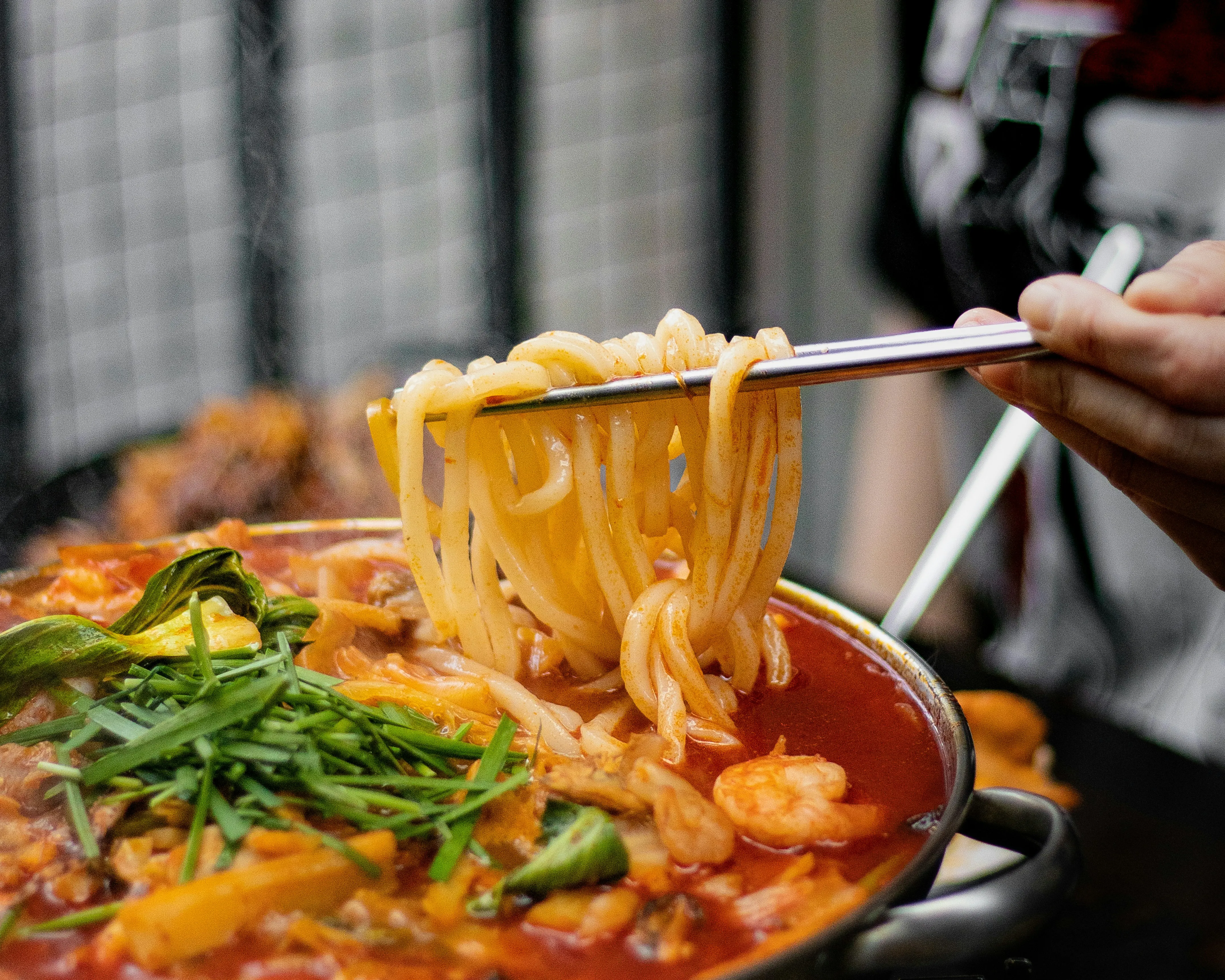
Recipe 3: Buldak Jjamppong
This Buldak Jjamppong turns Korean-style spicy seafood noodle soup into a faster homemade bowl. The broth gives the dish depth, while the spicy chili base adds heat to the vegetables, seafood, and chewy wheat noodles. It is a strong choice when you want homemade noodle recipes that feel rich, hot, and filling.
Ingredients: 200g fresh or frozen thick wheat noodles, 1 tablespoon Buldak sauce, 1.5 cups seafood or chicken broth, 1/4 onion sliced, 1/4 zucchini sliced, 1/4 carrot julienned, 50g squid or shrimp, 50g pork belly or bacon, 1 teaspoon soy sauce, 1 teaspoon gochugaru, 1 teaspoon minced garlic, 1 scallion chopped, cooking oil.
Recipe Details: Prep Time: 7 mins | Total Time: 15 mins | Servings: 1 portion.
Estimated Macros (Per Serving): Protein: ~24g | Carbs: ~62g | Fat: ~16g.
Instructions:
Heat oil in a deep pan or wok, then stir-fry the pork belly, onion, garlic, carrot, and zucchini until the vegetables soften and the pork begins to brown.
Add the squid or shrimp and stir-fry quickly over high heat until lightly cooked.
Stir in the gochugaru, soy sauce, and spicy sauce, letting the chili mixture toast briefly to build a smoky base.
Pour in the broth and bring it to a strong simmer.
Add the noodles and cook until they are tender but still chewy, usually 3-4 minutes depending on the noodle type.
Transfer to a bowl and garnish with chopped scallions before serving hot.
Pro Tip: Do not add the sauce only after the broth goes in. Toasting it briefly with aromatics and chili powder helps the flavor cling to the oil, creating a deeper jjamppong broth.
Flavor Profile: This dish is smoky, spicy, savory, and ocean-rich, with the Buldak heat pushing the classic jjamppong broth into a bolder direction. Among spicy noodle recipes, it delivers a heavier and more comforting bowl without losing the clean seafood flavor.
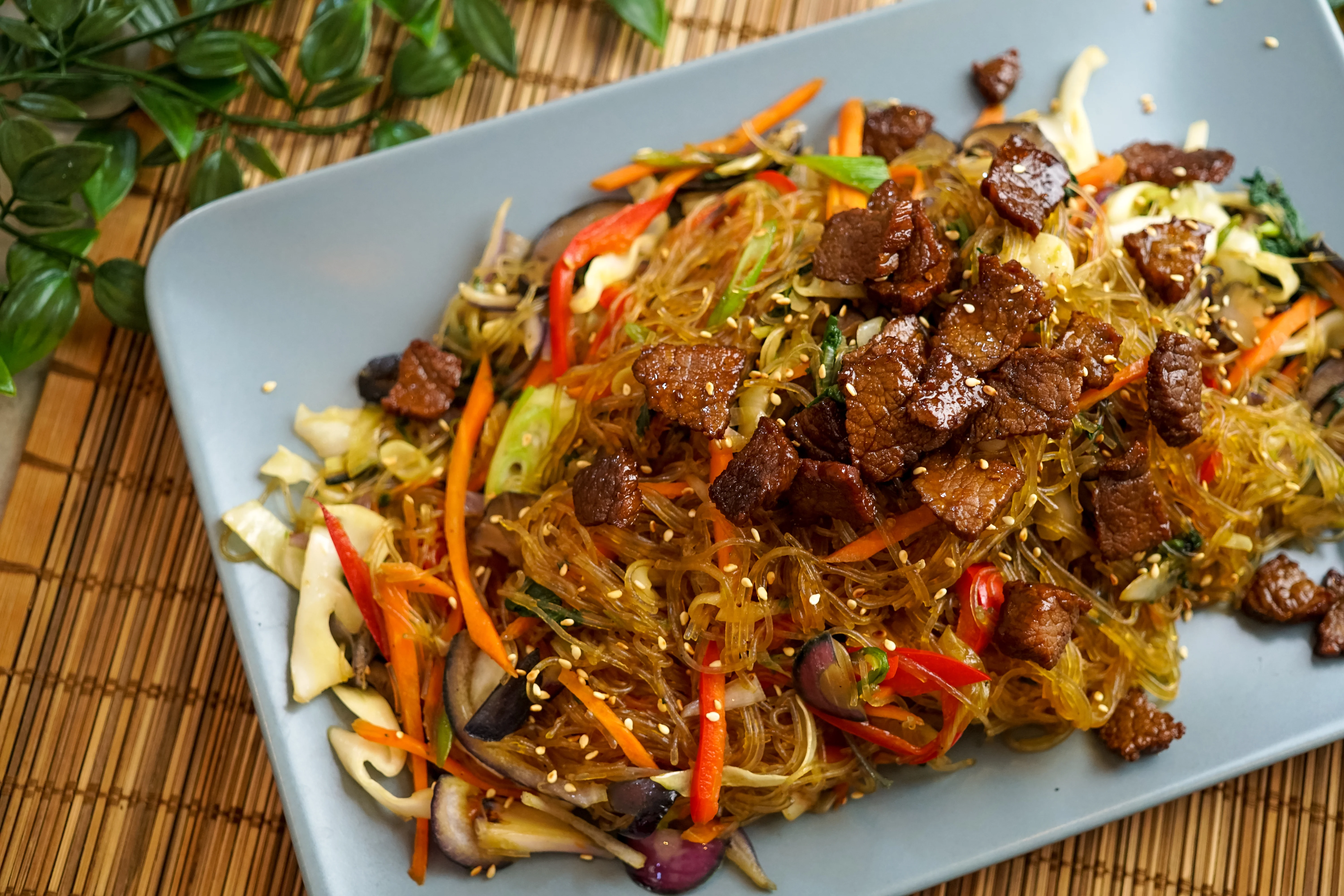
Recipe 4: Buldak Glass Noodle Stir-Fry
Inspired by Korean japchae, this dish uses sweet potato glass noodles for a chewy, bouncy texture. The noodles absorb sauce quickly but still hold their shape, making this one of the best homemade noodle recipes when you want a sweet, savory, and spicy stir-fry.
Ingredients: 100g sweet potato glass noodles (dangmyeon), 1.5 tablespoons Original Buldak Sauce, 80g sliced beef or shiitake mushrooms, a handful of fresh spinach, 1/4 carrot (julienned), 1 tablespoon soy sauce, 1 tablespoon sesame oil, 1 teaspoon sugar, 1 teaspoon minced garlic, toasted sesame seeds, cooking oil.
Recipe Details: Prep Time: 15 mins (soaking) | Total Time: 20 mins | Servings: 1-2 portions.
Estimated Macros (Per Serving): Protein: ~16g | Carbs: ~50g | Fat: ~14g.
Instructions:
Soak the glass noodles in cold water for 30 minutes, then boil them for about 5 to 6 minutes or until chewy.
Drain and immediately toss the warm noodles in a bowl with the soy sauce, sesame oil, and sugar.
In a pan, fry the minced garlic and beef until browned.
Add the carrots and spinach, cooking until just wilted.
Add the pre-seasoned glass noodles into the pan, tossing everything together over high heat.
Finally, stir in the sauce and fry for 2 final minutes to lock in the flavor.
Garnish with sesame seeds.
Pro Tip: Toss the boiled glass noodles with sesame oil and soy sauce while they are still warm. This keeps them from clumping and gives the noodles flavor before the spicy glaze goes in. The spicy sauce must be added at the very end to preserve the delicate roasted aroma of the sesame oil.
Flavor Profile: The sweet and savory foundation of traditional Japchae beautifully supports the balanced spicy heat of the final glaze.
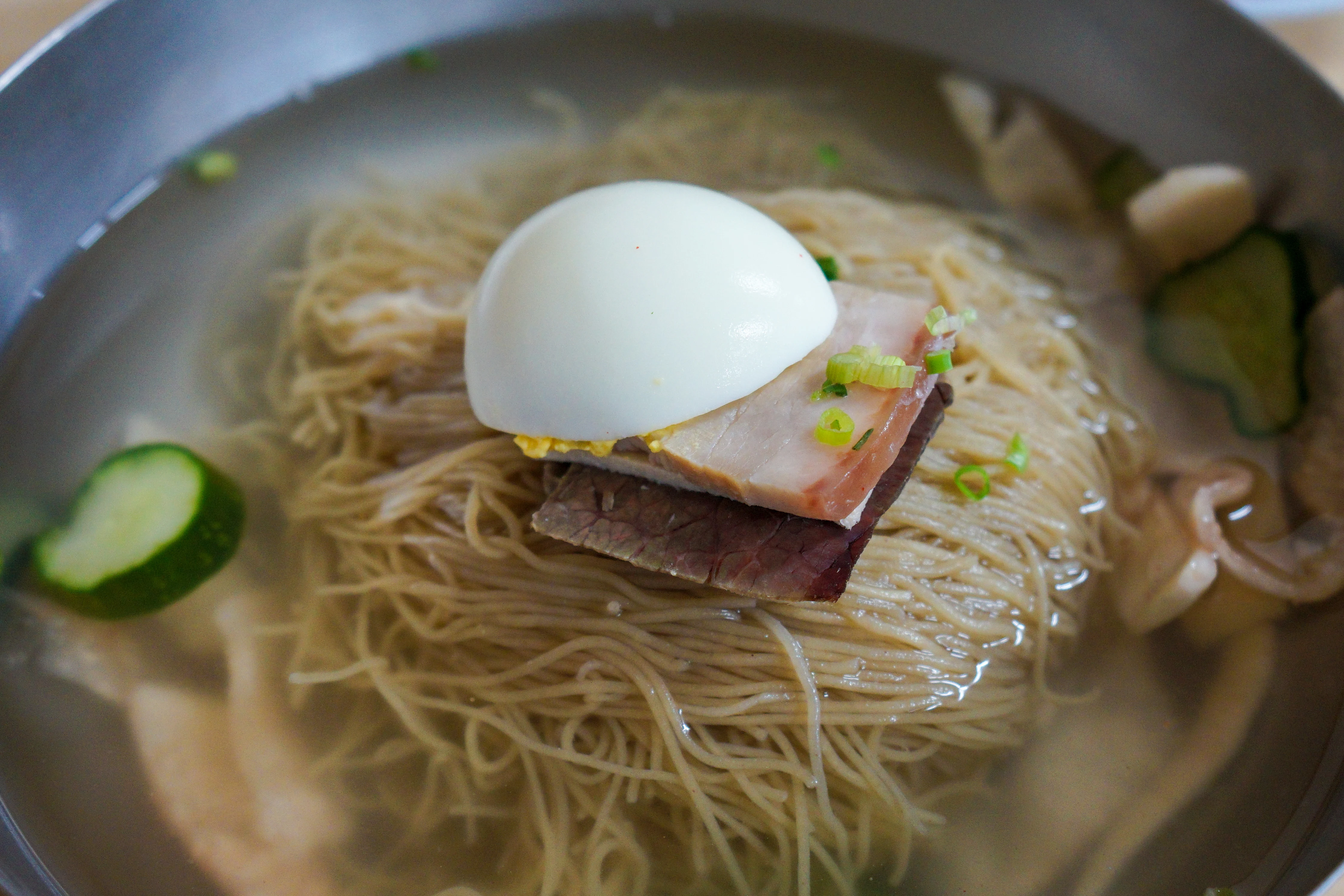
Recipe 5: Buldak Naengmyeon
This Buldak Naengmyeon turns Korean cold noodles into a spicy, refreshing bowl for hot days. Chilled broth softens the heat, while vinegar, mustard, cucumber, and pear keep the flavor bright. It also shows that Buldak can work in cold noodle recipes, not only hot stir-fries.
Ingredients: 160g naengmyeon noodles, 1 cup chilled beef broth or dongchimi broth, 1 tablespoon Buldak sauce, 1 tablespoon vinegar, 1 teaspoon sugar, 1/2 teaspoon Korean mustard or yellow mustard, 1 teaspoon sesame oil, cucumber strips, Korean pear or apple slices, 1 boiled egg, toasted sesame seeds, ice cubes.
Recipe Details: Prep Time: 5 mins | Total Time: 10 mins | Servings: 1 portion.
Estimated Macros (Per Serving): Protein: ~15g | Carbs: ~55g | Fat: ~7g.
Instructions:
Boil the naengmyeon noodles according to the package instructions, usually 1-2 minutes.
Drain immediately and rinse the noodles under very cold running water, rubbing them gently to remove excess starch.
Place the rinsed noodles in ice water for 30 seconds, then drain well.
In a bowl, mix the chilled broth with the spicy sauce, vinegar, sugar, mustard, and sesame oil until fully combined.
Add the cold noodles to the spicy chilled broth.
Top with cucumber, pear or apple slices, half a boiled egg, sesame seeds, and a few ice cubes before serving.
Pro Tip: Naengmyeon noodles must be rinsed aggressively in cold water after boiling. This removes the sticky surface starch and gives the noodles their signature firm, stretchy bite.
Flavor Profile: The cold broth makes the spice feel cleaner and more refreshing, while vinegar and mustard sharpen the savory heat. It is light, icy, spicy, and ideal for a Korean summer noodle bowl.
Get Original Buldak Sauce — turn any noodle base bold and spicy 🌶️
Grab Original Buldak Sauce on Amazon — add bold heat to noodles beyond ramen 🛒
FAQ: Buldak Noodle Recipes Beyond Ramen
Q: Which noodles work best with Buldak?
A: Pasta, rice noodles, jjamppong noodles, glass noodles, and naengmyeon all work well. Firm noodles hold the sauce on the surface, while softer noodles absorb more flavor.
Q: Can I use Buldak sauce for pasta?
A: Yes. Buldak sauce works well in pasta recipes when it is mixed with pasta water, cheese, cream, or egg yolk. The key is to turn off the heat before mixing so the sauce stays smooth.
Q: How much sauce should I use for one serving?
A: Start with 1 tablespoon for soup or cold noodles and 1 to 1.5 tablespoons for stir-fried noodles. Add more only after tasting, especially if you use ramen sauce packets instead of bottled sauce.
Q: Can I use the sauce packet from instant Buldak ramen?
A: Yes, but start with half of the packet because ramen sauce packets are usually more concentrated than bottled sauce. Taste first, then add more if you want stronger heat.
Q: Does Buldak taste less spicy in cold noodles?
A: Usually, yes. Cold broth can make the heat feel cleaner and softer, while vinegar and mustard add brightness. That is why Buldak Naengmyeon tastes spicy but refreshing.
Q: Which recipe is easiest for beginners?
A: Buldak Rice Noodle Stir-Fry is a good beginner option because it uses one pan, simple ingredients, and a quick spicy glaze. Buldak Carbonara Pasta is also easy if you save pasta water and mix the sauce off heat.
Buldak flavor does not belong only in instant ramen. Pasta, rice noodles, jjamppong noodles, glass noodles, and naengmyeon each carry heat in a different way: some coat, some absorb, and some balance the spice with broth or acidity. Each noodle base soaks up and shows off the fun, hot kick in a different way.
These five noodle recipes are built for home cooking, with simple ingredients, short cooking times, and flexible spice levels. Whether you use the carbonara flavor to change your pasta recipes or the original sauce to make a cold bowl of naengmyeon, Buldak can turn a simple noodle base into a bold meal.
The next time you search for how to cook pasta with a spicy twist or need a quick noodle dinner, use Buldak as the flavor base and match it with the right noodle texture. Reach for that jar of spicy sauce, break the plain rules, and turn your basic carb night into a bold, satisfying noodle meal.
Explore all Buldak Sauces — from creamy pasta to spicy cold noodles 🔥
Find your Buldak favorites on Amazon — sauce up noodles beyond ramen 🚚
Up next: The 2 Korea-Only Buldak Flavors Every Fan Should Know 👉