Quick Summary
Buldak Carbonara is a stir-fried instant noodle, but its sauce packet works across three distinct cooking methods: broth-based soup, reduced Rabokki glaze, and high-heat lo mein.
Retaining the starchy noodle water creates a creamy soup. Adding rice cakes and reducing the liquid produces Rabokki. Tossing the sauce over egg noodles in a hot wok makes lo mein.
All three Buldak Carbonara recipes use a single package with no additional sauce or specialty ingredients.
Most people who pick up a pack of Buldak Carbonara follow the same routine: boil the noodles, drain the water, mix in the sauce. That version is good. But the sauce packet itself is built in a way that holds up under very different conditions — and most people never find that out.
Korean home cooks figured this out a while ago. The same logic that produces a dry stir-fry can also produce a thick broth if you keep the starchy noodle water. The same sauce that coats noodles can reduce into a glaze if you drop rice cakes into the pan. And if you skip the instant noodles entirely and toss the sauce over egg noodles in a smoking hot wok, it caramelizes into something that functions completely differently from the original. None of these require a separate sauce. The Pink Buldak ramen packet handles all three.
Here is a quick map before the recipes:
| Dish | Style | Core Technique | Buldak Role |
| Creamy Soup | Broth-based | Retain starchy noodle water | Sauce base in emulsified broth |
| Rabokki | Reduced glaze | Cook down until sticky | Thick coating for noodles and rice cakes |
| Lo Mein | High-heat stir-fry | Wok over maximum flame | Caramelized sauce glaze |
Try the Rabokki and soup versions with one pack of Buldak Carbonara 🔥
Buldak Carbonara on Amazon — one pack, three dishes 🛒
3 Ways to Cook Buldak Carbonara at Home
Each recipe below uses the same Pink Buldak ramen sauce packet but a completely different cooking method. The technique is what changes the dish — not the ingredients. The soup version works because the starchy noodle water emulsifies with the sauce into a broth. The Rabokki works because reducing the liquid concentrates the sauce into a glaze. The lo mein works because high heat caramelizes the sauce directly onto the noodles. Same pack, three different outcomes — here is how each one plays out.
1. Buldak Carbonara Soup Recipe
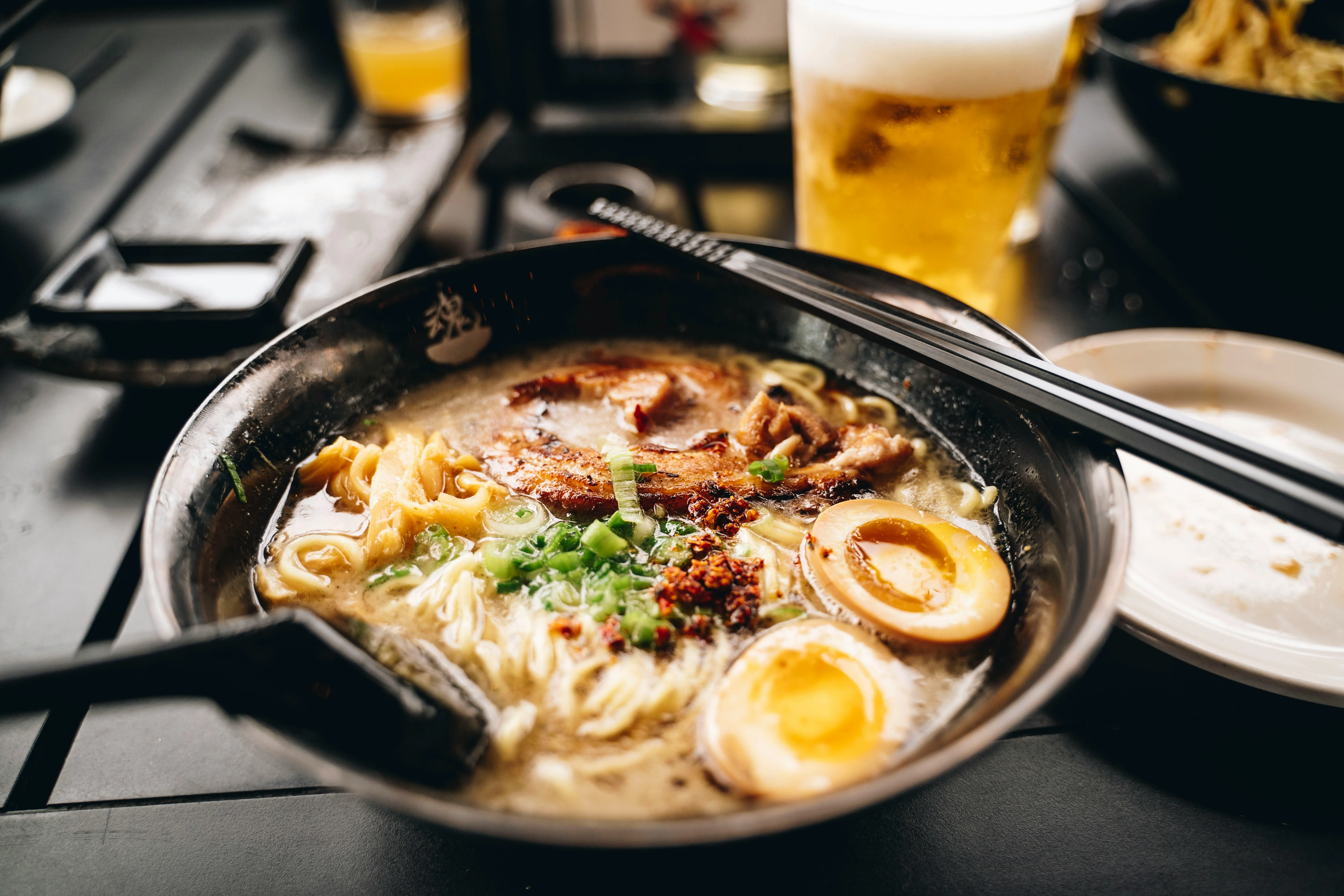
The standard Buldak Carbonara instructions tell you to drain the water. This version does the opposite. The water left after boiling instant noodles carries a notable amount of dissolved starch — enough that, when whisked with the sauce packet, an egg yolk, and mayo, it emulsifies into a broth rather than staying thin and watery. The heat of the noodle water is also what activates the emulsion, so the timing matters. The result is a bowl that reads more like ramen than stir-fry. The heat from the Pink Buldak ramen sauce is still present, but it moves slower through a creamy base rather than hitting immediately.
Ingredients: 1 pack Buldak Carbonara (noodles + both sauce packets), 1 raw egg yolk, 2 tablespoons mayonnaise, 1 pinch chicken base or chicken stock powder, handful of fresh bean sprouts, 1 soft-boiled egg, chopped scallions, toasted sesame seeds.
Recipe Details: Cuisine: Korean | Difficulty: Easy | Prep Time: 5 mins | Total Time: 10 mins | Servings: 1 | Spice Level: Medium
Macros (Per Serving): Protein: ~18g | Carbs: ~62g | Fat: ~22g
Instructions:
Bring a pot of water to a boil and cook the noodles according to the package — but do not drain. Reserve the starchy noodle water.
While the noodles are boiling, combine both sauce packets, 1 egg yolk, 2 tablespoons of mayo, and a pinch of chicken base in a separate serving bowl. Whisk into a thick paste.
Once the noodles finish cooking, pour the hot starchy noodle water directly into the bowl. Whisk immediately and continuously until the mixture emulsifies into a smooth, creamy broth.
Add the cooked noodles to the broth and stir to combine.
Blanch the bean sprouts in the remaining hot water for 30 seconds, then drain and place on top of the noodles.
Top with a soft-boiled egg, chopped scallions, and toasted sesame seeds. Serve immediately.
Pro Tip: The emulsion only holds while the broth is hot. As the bowl cools, the mayo and egg yolk will begin to separate and the texture will break. Eat this one right away. For a richer finish, add a pat of cold butter to the bowl right before pouring in the starchy water — it melts into the broth and deepens the creaminess.
Flavor Profile: The heat from the Buldak Carbonara sauce is present but slower here — it builds from the back rather than hitting on the first bite. The egg yolk and mayo create a smooth, fatty base that cushions the spice, while the starchy broth coats the noodles in a way that makes each strand feel heavier and more substantial than a standard stir-fry. When the noodles are gone, drop a scoop of warm white rice into the remaining broth. The emulsified carbonara sauce coats each grain and the bowl becomes a second dish entirely.
2. Buldak Carbonara Rabokki Recipe
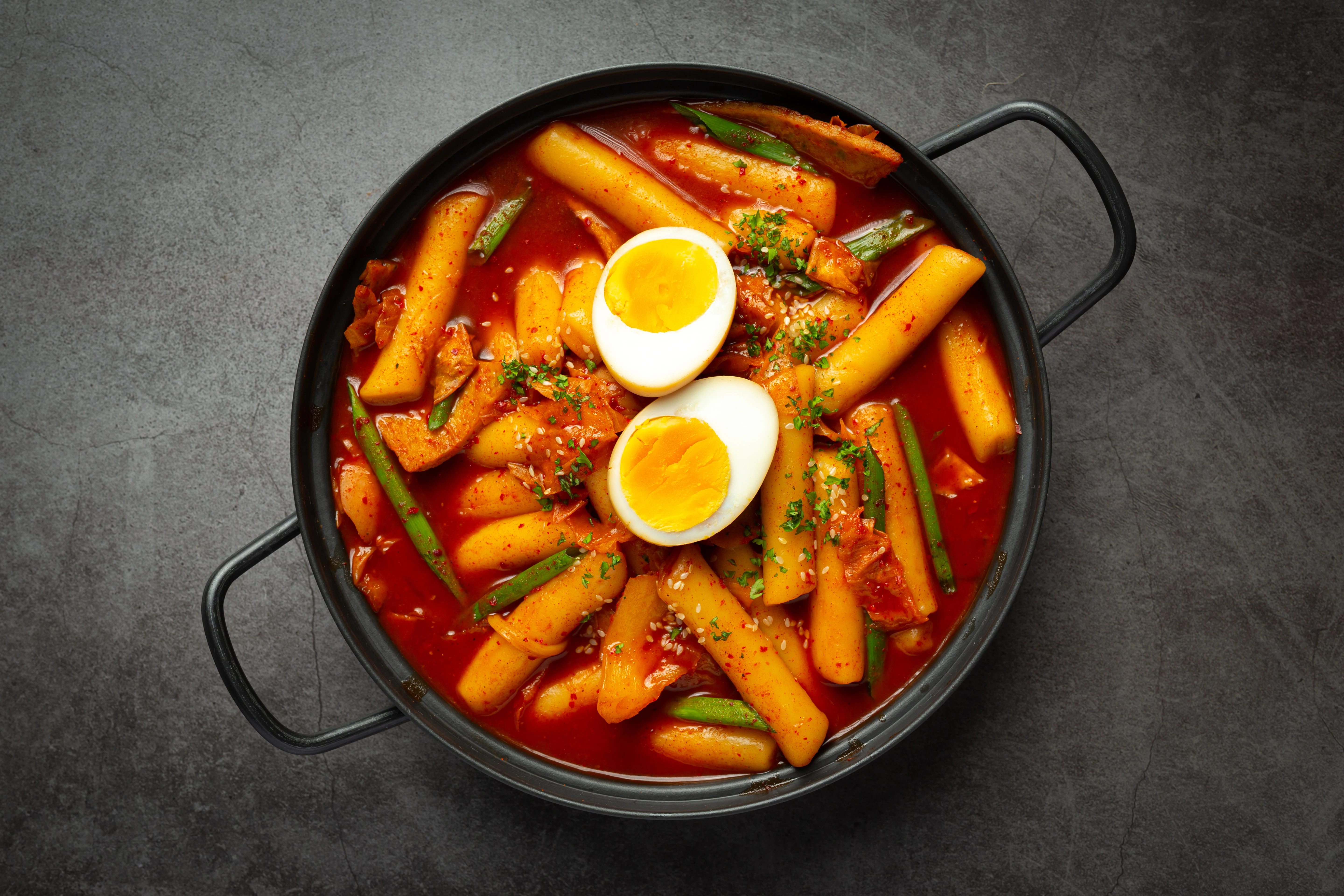
Rabokki is a portmanteau of ramen and tteokbokki that became a fixture of Korean street food in the 1980s and 1990s, when pojangmacha (street food carts) started combining leftover instant ramen with the tteokbokki already on the burner. The logic was practical: ramen noodles cooked in the tteokbokki sauce absorbed the flavor and added texture without requiring a separate dish. The name stuck, and the format spread. Buldak Carbonara Rabokki works the same way, but the gochujang base is replaced by the creamy, spicy sauce from the Pink Buldak ramen. The rice cakes (tteok) behave differently from the noodles here — because they are dense and absorb flavor slowly, they hold onto the sauce longer and deliver a more concentrated bite than the noodles do.
Ingredients: 1 pack Buldak Carbonara (noodles + both sauce packets), 1 cup tteok (Korean rice cakes, cylindrical), 1 slice mozzarella or 2 tablespoons shredded mozzarella (or Parmesan), 1 cup water.
Recipe Details: Cuisine: Korean | Difficulty: Easy | Prep Time: 5 mins | Total Time: 15 mins | Servings: 1–2 | Spice Level: Hot
Macros (Per Serving): Protein: ~14g | Carbs: ~85g | Fat: ~12g
Instructions:
Add 1 cup of water to a wide pan and bring to a boil over medium-high heat.
Add the rice cakes first. Cook for 2 minutes, stirring occasionally, until they begin to soften.
Add the noodles and both sauce packets. Stir to combine everything in the pan.
Continue stirring continuously as the liquid reduces. The sauce will thicken quickly — keep the heat at medium and do not walk away from the pan.
When the sauce turns into a thick, shiny glaze that clings to both the noodles and the rice cakes, remove the pan from heat.
Immediately lay a slice of cheese on top. Let the residual heat from the pan melt it without returning to the burner.
Pro Tip: Water volume is the single variable that determines whether this works. Too much and the sauce never reduces into a glaze. Too little and the rice cakes scorch before they soften. Start with exactly 1 cup and adjust from there based on your stove. If you are using refrigerated rice cakes instead of fresh ones, soak them in warm water for 10 minutes beforehand — cold, hard tteok will not soften fast enough before the sauce reduces.
Flavor Profile: The rice cakes store the sauce and release it with each chew — one bite of tteok delivers more concentrated Buldak Carbonara flavor than the noodles do. The cheese on top is functional, not decorative. Mozzarella adds stretch and a mild fat that softens the heat gradually. Parmesan adds a sharp, salty layer that compounds the savory depth of the sauce. For the full bunsikjip experience, serve alongside twigim (Korean fried items) — fried sweet potato, vegetable fritters, or fried calamari. The crunch and neutral starch interrupt the sticky glaze and give the palate somewhere to rest between bites.
3. Buldak Carbonara Lo Mein Recipe
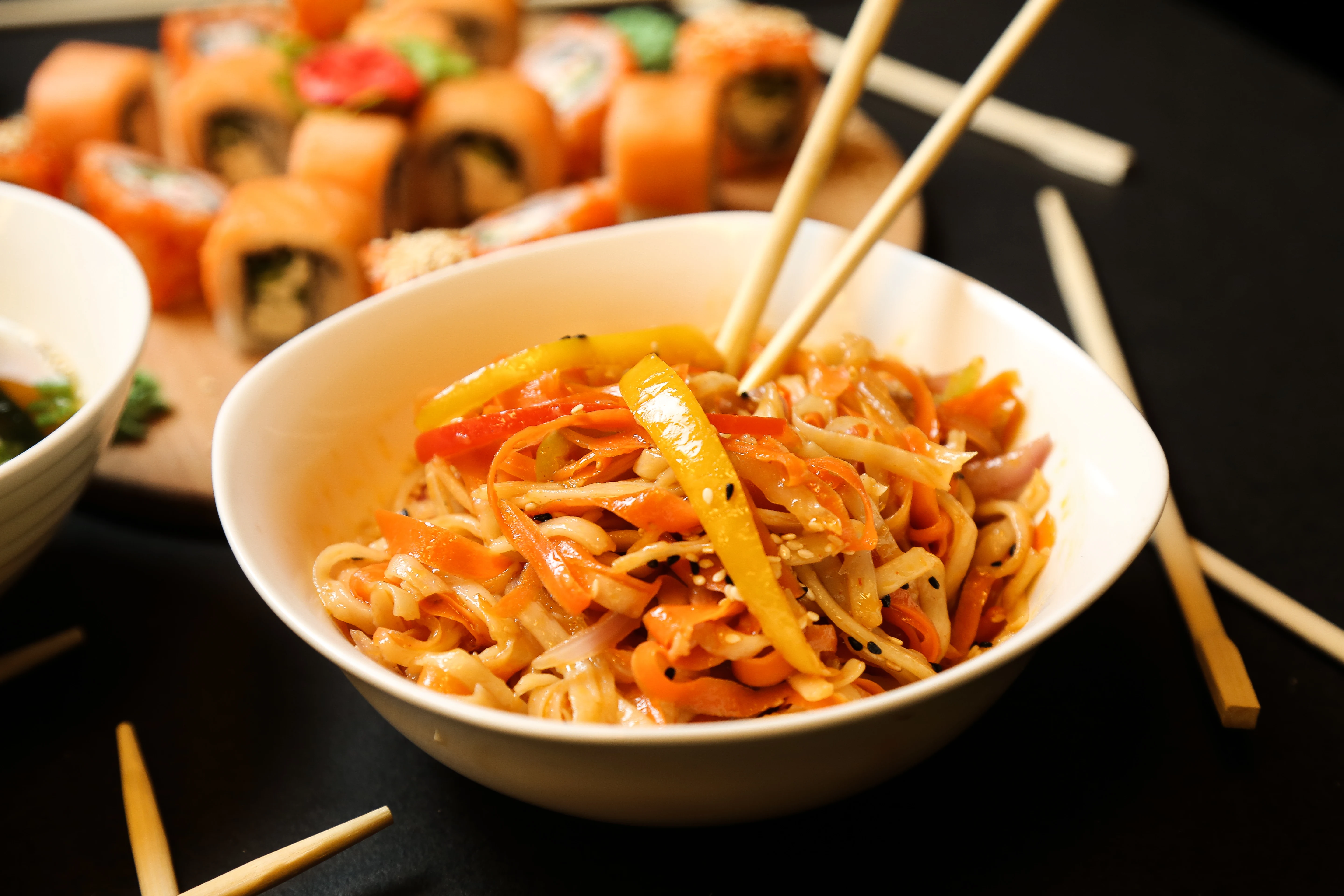
What is Lo Mein?
Lo mein comes from Cantonese cooking — the name literally means "tossed noodles" (撈麵), where lo refers to the tossing action and mein means noodles. Unlike chow mein, which fries the noodles until crispy, lo mein keeps them soft and coats them in sauce through rapid movement over high heat. That heat caramelizes the sugars in the sauce, which is what gives lo mein its distinct, slightly smoky character. Without high enough heat, the sauce just sits on the noodles instead of binding to them. Traditional lo mein uses soy sauce, oyster sauce, and sesame oil as the base. This Buldak Carbonara recipe replaces that base with the sauce packet from the Pink Buldak ramen. The noodle format stays the same; the flavor profile shifts toward the creamy, spicy side.
Ingredients: 2 portions fresh egg noodles (or dry lo mein noodles), 1 liquid sauce packet from Buldak Carbonara, 150g chicken breast or thigh (thinly sliced), 4–5 shiitake mushrooms (sliced), 1 handful fresh bean sprouts, 1 handful fresh spinach, 1 tablespoon soy sauce, 1 tablespoon oyster sauce, 1 teaspoon sesame oil, salt, black pepper, cooking oil.
Recipe Details: Cuisine: Korean-Chinese fusion | Difficulty: Medium | Prep Time: 10 mins | Total Time: 20 mins | Servings: 2 | Spice Level: Hot
Macros (Per Serving): Protein: ~34g | Carbs: ~55g | Fat: ~18g
Instructions:
Boil the egg noodles according to package instructions. Drain, rinse under cold water, and set aside. Rinsing stops the cooking and keeps the noodles from clumping in the wok.
Season the thinly sliced chicken with salt and pepper. Heat a wok or large pan over high heat with a drizzle of cooking oil. Cook the chicken quickly until just done through. Remove and set aside.
In the same wok, add the shiitake mushrooms and bean sprouts. Stir-fry over high heat for 1 to 2 minutes.
Add the pre-boiled egg noodles back into the wok. Pour in the liquid sauce packet from the Pink Buldak ramen, soy sauce, and oyster sauce. Toss everything continuously over maximum heat.
Return the cooked chicken to the wok and keep tossing until the sauce caramelizes onto the noodles and every strand is evenly coated.
Add the fresh spinach and toss for 30 seconds until just wilted. Remove from heat.
Drizzle sesame oil over the finished dish and plate immediately.
Pro Tip: The wok must be smoking hot before anything goes in. If the heat drops, the noodles absorb moisture instead of caramelizing and they clump together. Sesame oil always goes in at the very last second — it burns quickly at high heat and loses its flavor if it sits in the pan. Serve with danmuji (Korean pickled radish) or pickled cucumber on the side. The cold acidity cuts through the wok oil and resets the palate between bites — the same pairing logic used in Korean Chinese restaurants, where danmuji always comes alongside jjajangmyeon.
Flavor Profile: When the heat is right, the Buldak Carbonara sauce caramelizes onto the egg noodles rather than coating them as a liquid. Each strand picks up a slightly smoky, roasted character that you do not get from the standard stir-fry version. The shiitake mushrooms add an earthy depth that balances the creamy spice of the sauce, and the chicken provides a clean protein base that does not compete with the flavor of the glaze. This is what lo mein tastes like when the base sauce brings heat instead of soy.
Already a Buldak Carbonara fan? Try the Original and see where it all started 🔥
Pick up Original Buldak Ramen on Amazon and taste the classic alongside your carbonara cook 🛒
The Buldak Carbonara Pairing Guide
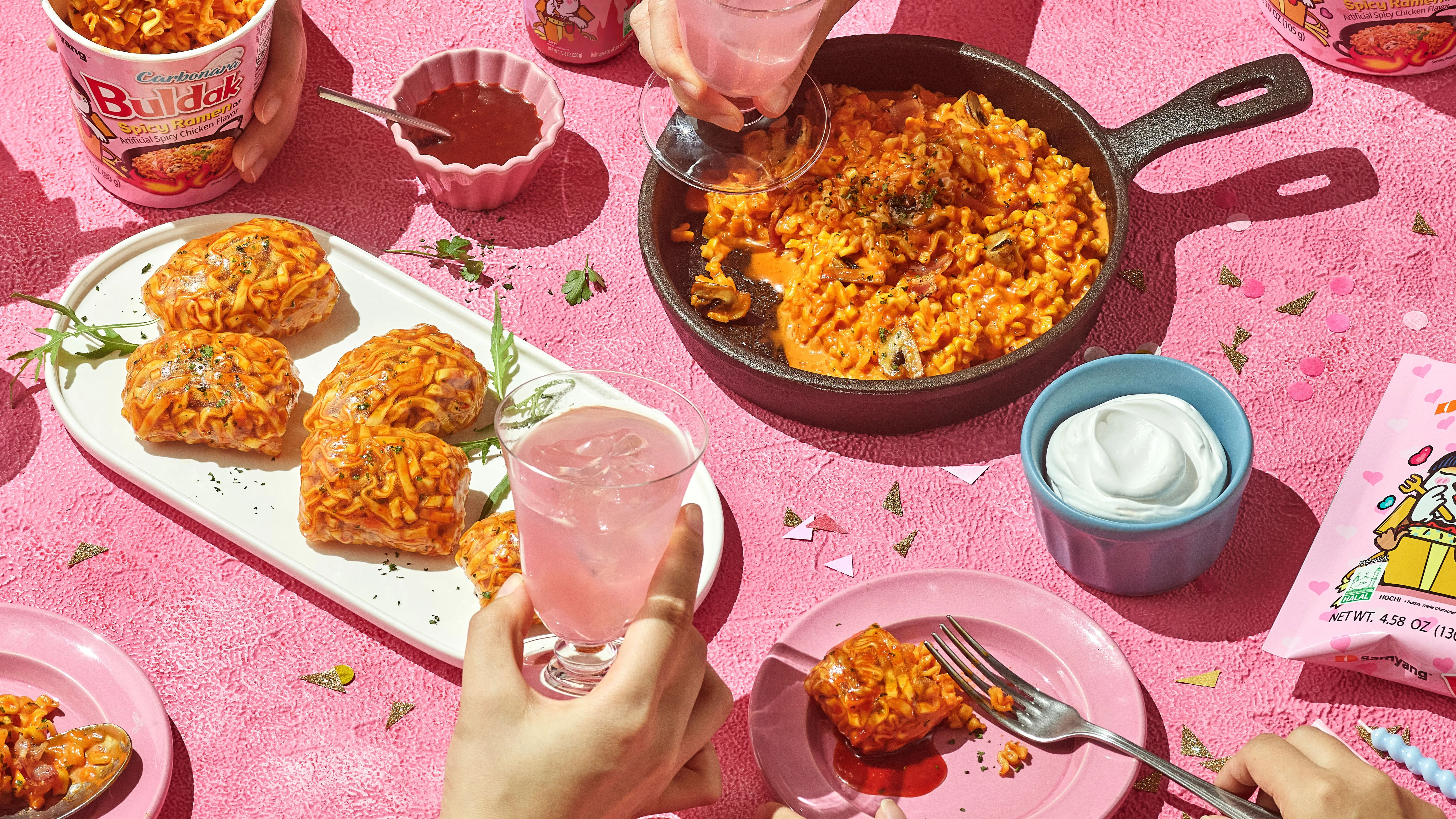
In Korean food culture, a meal is rarely a single dish eaten alone. The concept of banchan — small sides served alongside the main — shapes how Koreans approach any table, even a casual one. A rich dish gets something light. A spicy dish gets something cooling or acidic. The side is not an afterthought; it is how the flavors stay balanced across the whole meal.
For the Soup Version: A soft-boiled egg on top lets the yolk break into the broth as you eat and deepens it gradually. When the noodles are gone, dropping a scoop of warm rice into the remaining broth is standard practice in Korean home cooking — the emulsified carbonara sauce coats each grain and the bowl becomes a second dish on its own.
For the Rabokki: Twigim (Korean fried items) is the established pairing in bunsikjip culture. Fried sweet potato, vegetable fritters, or fried calamari introduce crunch and neutral starch that interrupt the sticky glaze and give the palate somewhere to rest between bites. Cheese goes directly on the rabokki itself — mozzarella softens the heat through fat and stretch, while Parmesan adds a sharp, salty layer that deepens the savory profile of the Pink Buldak ramen sauce.
For the Lo Mein: Danmuji (Korean pickled radish) is the right call. Its cold, sharp acidity cuts through the wok oil and the caramelized sauce and resets the palate between bites. The same pairing logic shows up across Korean Chinese restaurants, where danmuji always comes alongside jjajangmyeon — a rich, sauce-heavy noodle dish that needs the same kind of contrast.
FAQ: Buldak Carbonara Recipes
Q. Can you make soup from Buldak Carbonara?
A: Yes. Keeping the starchy noodle water and whisking it with the sauce packet, an egg yolk, mayo, and chicken stock creates a thick, emulsified broth. The same sauce packet produces a completely different result depending on whether the water stays in or gets drained.
Q. How much water do I use for Rabokki?
A: Less than you think. The goal is to reduce it into a glaze that coats the noodles and rice cakes. There is no fixed measurement — watch the pan and pull it off heat when the sauce thickens and clings. Too much water and it never concentrates.
Q. Do I have to use egg noodles for lo mein?
A: Egg noodles are the practical choice — they hold up under high heat and absorb thick sauces without falling apart. Dry lo mein noodles or instant ramen blocks work as substitutes. Thin rice vermicelli does not hold up to aggressive tossing or the weight of the sauce.
Q. Which recipe is the mildest?
A: The soup version. The starchy water dilutes the heat, and the egg yolk and mayo emulsion cushions it further. It is the most approachable starting point if you are new to Buldak Carbonara.
Q. Can I use a different protein in the lo mein?
A: Chicken fits most naturally with the sauce — the mild fat does not compete with the glaze and it cooks quickly enough to keep the wok hot. Shrimp works too, but add it after the vegetables since it overcooks fast. Firm tofu is a solid plant-based option — press it dry and pan-fry it separately before adding to the wok, otherwise it breaks apart during tossing.
Q. Which recipe is fastest?
A: The soup takes under 10 minutes — just whisk the emulsion while the noodles boil and the whole thing comes together in one bowl. Rabokki takes about 15 minutes, mostly waiting for the rice cakes to soften and the sauce to reduce. Lo mein takes around 20 because the chicken and vegetables go in before the noodles, and the wok needs to come up to full heat first.
The Buldak Carbonara sauce packet was designed for one specific dish. But it holds up in a broth, it reduces into a glaze, and it caramelizes over high heat without falling apart. That range is what makes these three recipes possible.
Keep the starchy water and you get a creamy soup. Add rice cakes and reduce the liquid and you get Rabokki. Swap the noodles for egg noodles and put the wok on maximum heat and you get lo mein. The technique changes; the sauce stays the same. The instructions on the back of the Pink Buldak ramen package are a starting point. These three are what comes next.
Now try the chicken side — 3 spicy Korean chicken recipes you can make at home with Buldak Sauce 🍳