Quick Summary
These Buldak fusion recipes perfectly demonstrate how Buldak Sauce can seamlessly move beyond ramen to become a global flavor base for wings, shawarma, meat pies, adobo, and nasi lemak.
Each meal starts from known national dishes from the US, UAE, Australia, the Philippines, and Malaysia, then adds a Korean spicy twist that enhances the dish’s original flavor structure.
Best fusion dishes to try first: Buldak Buffalo Wings for hot sauce lovers, Buldak Shawarma for street food fans who want a kick, and Buldak Adobo for a bold mix of soy, sour, garlic, and heat.
For years, Buldak was tied to one experience: a single steaming bowl of stir-fried instant ramen. That iconic heat sparked a global trend, but it also locked the brand into a single use case — buy a bottle of Buldak Sauce, make that one noodle dish, done. The culinary landscape has shifted. Buldak Sauce is no longer a noodle-only condiment. It has matured into a standalone flavor base that pairs with cuisines from every continent.
When Buldak Sauce meets these traditions, the result isn't a "spicier version" of the original — it's a fusion recipe that amplifies the core flavor each cuisine is already built on. This guide walks through five fusion dishes built on iconic national dishes and street food from around the world, showing exactly how one bottle of Buldak Sauce can unlock a global menu.
What is Fusion Food?
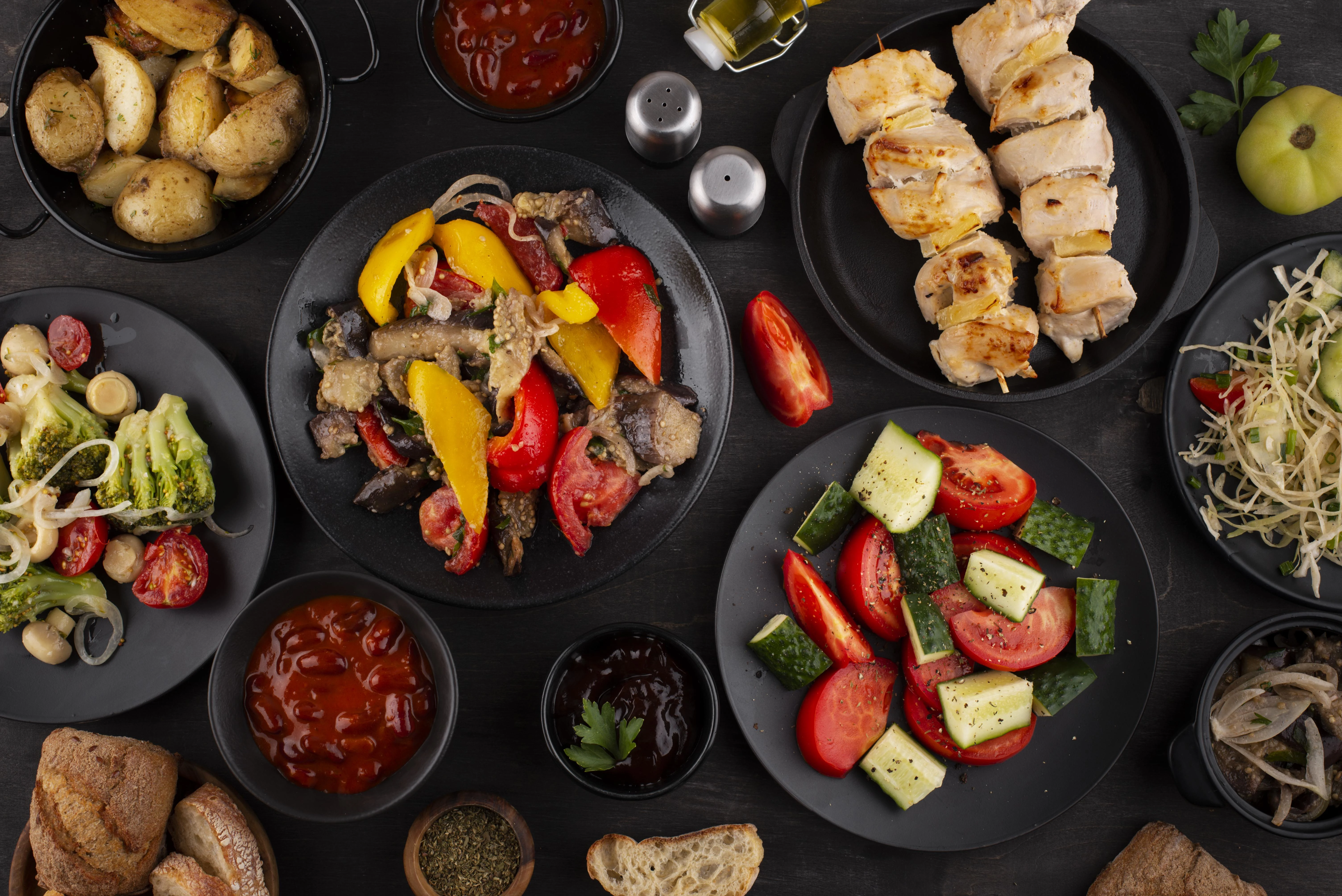
Fusion food is a cooking style that combines techniques, ingredients, or flavor traditions from two or more cuisines into one dish. Good fusion food does not mix flavors randomly; it connects cuisines through shared structures such as heat, acidity, fat, umami, or spice.
Why Buldak Sauce is the Ultimate Tool for Global Fusion
A Sauce That Goes Beyond "Just Heat"
The most immediate and memorable impression of Buldak sauce is its signature red-hot kick. However, when you put it to use in real food, you soon see that raw heat is not the only thing at work. Buldak sauce has a deep, rich blend that mixes well with other ingredients.
The Deep Soy Taste: At its core, Buldak sauce relies on a strong soy sauce base. This gives a deep, rich umami that links up well with meat, rice, noodles, and bread.
The Just-Right Feel: The thick, syrupy feel of Buldak sauce is a huge plus. It coats chicken wings well, binds great in pita bread, and mixes well into thick pie fills without getting too thin.
The Balanced Profile: When this sauce meets sour vinegar, rich coconut milk, aromatic spices, thick butter, or rich meat juice, it does not hide the main taste. The flavors round out well, making for a balanced bite.
The Korean Hot Kick: It brings a cool, modern K-flavor to known local foods without killing the core style of the dish.
In the end, this means Buldak sauce is not just for noodles; it is a worldwide, top-tier taste base that lifts the main tastes of different cuisines.
The Secret to Executing Perfect Fusion
When you build new fusion recipes, the golden rule is to never add the hot sauce blindly to every dish. You must first look deeply at the core taste of the food.
Foods with Hot Sauce Roots: Dishes like Buffalo Wings, which use hot sauce and rich butter, are the easiest to give a Korean hot kick.
Foods with Strong Smells: Street foods like Shawarma, which have strong notes of cumin, garlic, and pepper, naturally take on a new layer of rich heat.
Foods Built on Meat Juices and Gravy: Comfort foods like the Australian Meat Pie, where a rich, savory fill is the star, use the hot sauce to boost the taste and add a bold, warm kick.
Foods Defined by Salt and Acidity: Dishes like Adobo, built on a strong soy and vinegar mix, soak up the added spice without losing their main taste.
Foods Using Coconut and Chili Paste: Meals like Nasi Lemak, which already use sambal (chili paste) and coconut milk, see no clash at all when you add Korean spice.
By knowing these core rules and truly grasping what is fusion food, you see that true fusion is not a passing trend, but a thoughtful method to expand the appeal of traditional cuisine.
5 Global Buldak Fusion Recipes
Recipe 1: Buldak Buffalo Wings (USA)
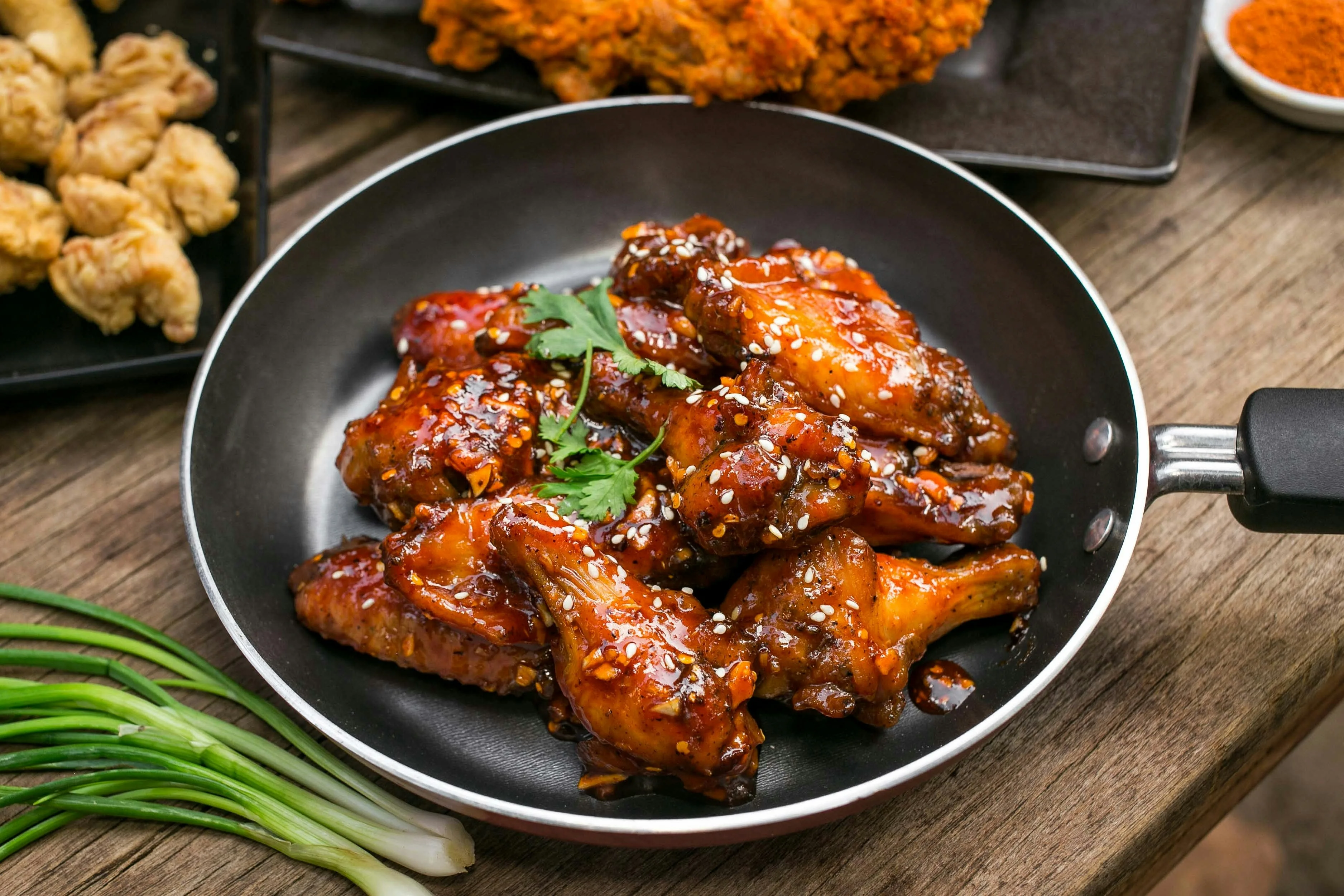
The classic US Buffalo Wing is a staple of bar food, using a sour hot sauce and rich, melted butter to coat crisp chicken wings. Since the taste is already built on heat, sour bites, and rich butter, it is one of the most natural, smooth fusion recipes you can make.
The main idea here is "Korean hot sauce meets US wing style". By adding Buldak sauce to the old, sour buffalo coat, the depth of the spice and the rich, savory taste are pushed to a new level.
Ingredients: 500g chicken wings, 2 tablespoons Buldak Sauce, 2 tablespoons traditional buffalo hot sauce, 2 tablespoons melted butter, 1 tablespoon honey, 1 teaspoon garlic powder, 1 teaspoon paprika, salt, pepper, celery sticks, and ranch or blue cheese dip.
Recipe Details: Prep Time: 10 mins | Total Time: 35 mins | Servings: 2 portions.
Macros (Per Serving): Protein: ~28g | Carbs: ~12g | Fat: ~30g.
Instructions:
Season the chicken wings generously with salt, pepper, garlic powder, and paprika.
Bake or air-fry at 200°C (400°F) for 25 minutes, flipping them halfway to ensure a beautifully crispy exterior.
In a large mixing bowl, aggressively whisk Buldak sauce, buffalo hot sauce, melted butter, and honey to create a brilliant, glossy glaze.
Toss the hot, crispy wings directly in the spicy glaze until perfectly coated.
Serve immediately alongside fresh celery sticks and a cooling ranch or blue cheese dip.
Pro Tip: Using only the Korean sauce might result in a heat that is too sharp and direct. Mixing in the butter and honey revives the classic, smooth glaze of a traditional buffalo wing while perfectly balancing the punchy spice.
Flavor Profile: The sharp, familiar acidity of the buffalo sauce merges with the deep, complex umami of the Korean spice, resulting in an upgraded, intensely flavorful wing. It is the most intuitive entry point for American readers.
Recipe 2: Buldak Shawarma (UAE)
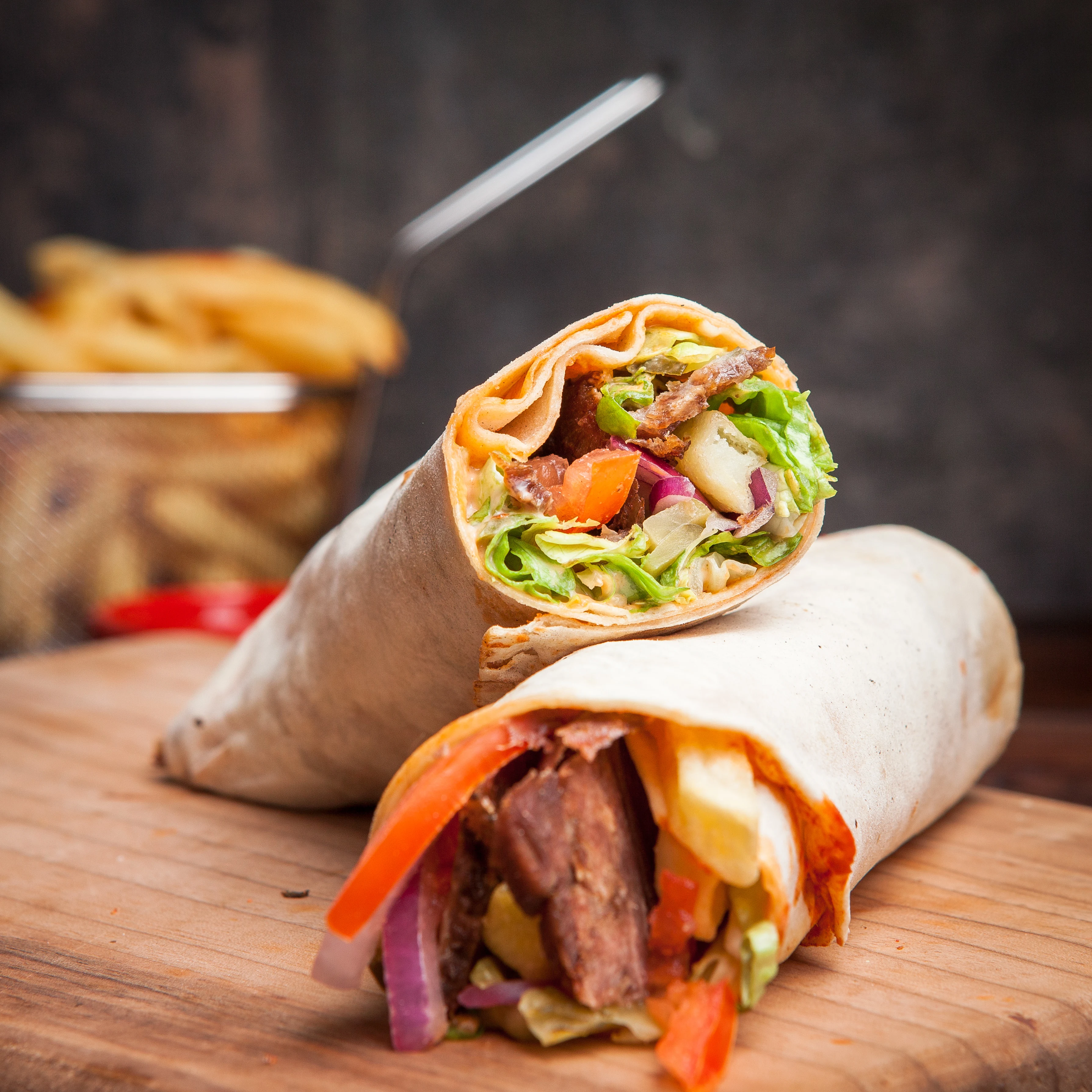
Shawarma is a widely loved street food all across the UAE and the Middle East. It is known for its well-soaked meats, aromatic spices (cumin, paprika, garlic), cool yogurt sauce, and fresh veg wrapped in soft pita bread. Adding Buldak Sauce creates a 'Korean heat meets Middle Eastern spice' pairing that amplifies — not masks — the original aromatic profile.
The hot sauce does not hide the rich flavor of the shawarma; it boosts them. This makes sure the meat soak leaves a longer, sharper finish.
Ingredients: 400g boneless chicken thighs, 2 pita breads, 1.5 tablespoons Buldak Sauce, 3 tablespoons plain yogurt, 1 tablespoon fresh lemon juice, 1 tablespoon olive oil, 1 tablespoon minced garlic, 1 teaspoon cumin, 1 teaspoon paprika, salt, pepper, lettuce, tomatoes, cucumbers, red onions.
Recipe Details: Prep Time: 20 mins | Total Time: 35 mins | Servings: 2 portions.
Macros (Per Serving): Protein: ~32g | Carbs: ~42g | Fat: ~18g.
Instructions:
In a large bowl, whisk the yogurt, Buldak sauce, lemon juice, olive oil, garlic, cumin, paprika, salt, and pepper to create a rich, vibrant marinade.
Add the chicken thighs and let them marinate for at least 15 minutes.
Grill or pan-fry the marinated chicken over medium-high heat until deeply browned and fully cooked.
Slice the hot, grilled chicken into thin strips.
Warm the pita bread, then layer the fresh lettuce, tomatoes, cucumbers, red onions, and the spicy sliced chicken inside. Roll it tightly.
For an extra kick, lightly drizzle a mixture of plain yogurt and a drop of the spicy sauce over the filling before wrapping.
Pro Tip: The heavy, cooling dairy in the yogurt marinade beautifully tenderizes the chicken while naturally taming the sharp edges of the spice.
Flavor Profile: The bold Middle Eastern spices and the deep, savory K-spice both rely on intense, highly aromatic profiles. Therefore, this pairing feels incredibly natural, effectively expanding the traditional shawarma experience into something much warmer and richer.
Get Original Buldak Sauce — the one bottle behind every fusion recipe in this guide 🌶️
Grab Original Buldak Sauce on Amazon — start your global fusion cooking today 🛒
Recipe 3: Buldak Aussie Meat Pie (Australia)
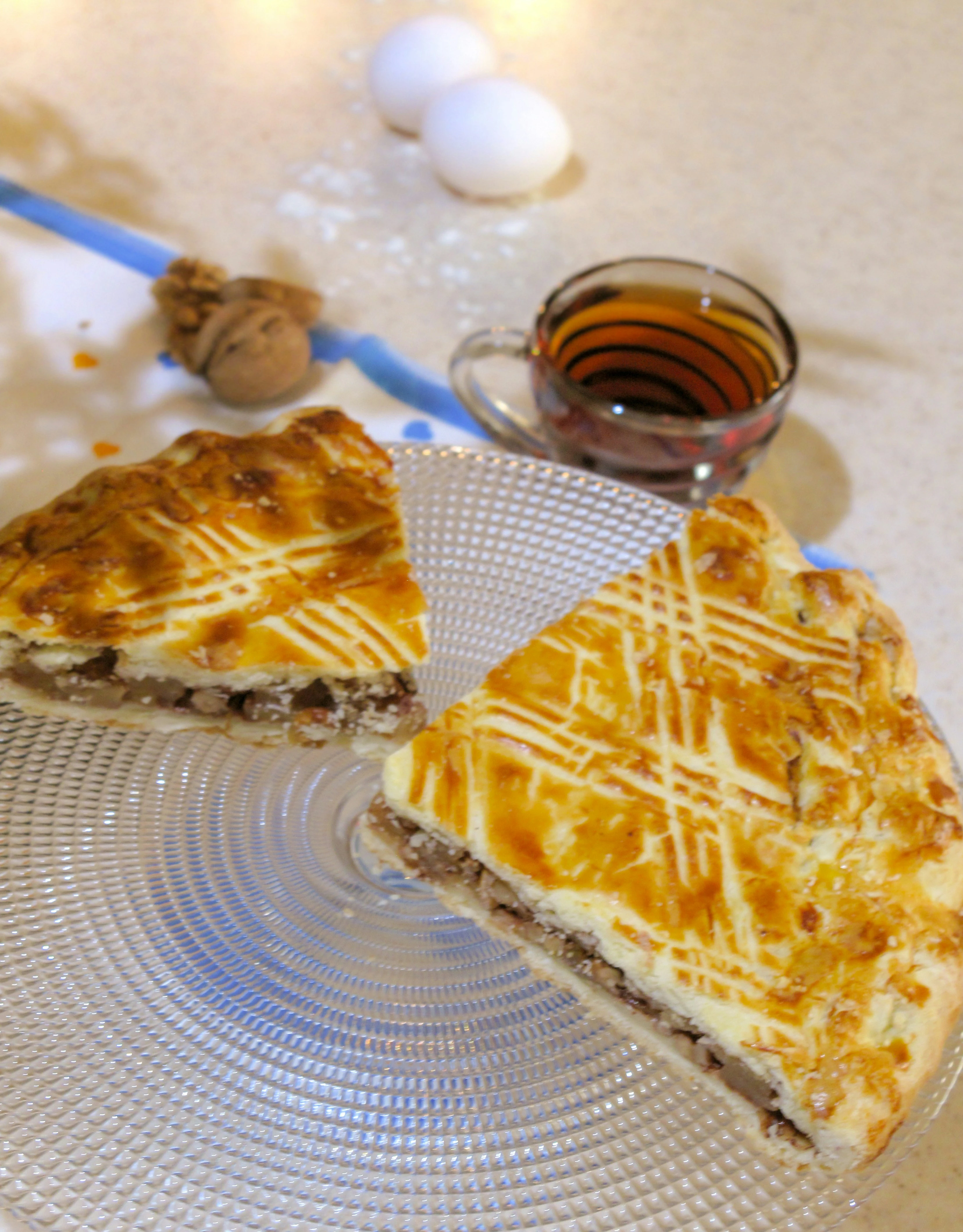
The Aussie Meat Pie is a top comfort food. It has a rich, deep meat and gravy mix inside a light, buttery pastry crust. Since the soul of this dish is all about rich meat juice and thick gravy, it pairs so well with the deep, soy-based umami of Buldak sauce.
This recipe takes one of the most iconic national dishes of Australia and adds a Korean spicy umami. The crust stays crisp to the bite, the inside is thick and hearty, and the finish leaves a lingering, savory warmth — making it a standout among modern fusion dishes.
Ingredients: 300g minced beef, 1/2 onion (diced), 1 teaspoon minced garlic, 1.5 tablespoons Buldak Sauce, 1 tablespoon Worcestershire sauce, 1 tablespoon tomato paste, 120ml beef stock, 1 tablespoon all-purpose flour, 2 sheets of frozen puff pastry, egg wash, black pepper.
Recipe Details: Prep Time: 15 mins | Total Time: 45 mins | Servings: 2 portions.
Macros (Per Serving): Protein: ~26g | Carbs: ~48g | Fat: ~32g.
Instructions:
Heat oil in a pan and sauté the onions and garlic until fragrant.
Add the minced beef and brown it completely.
Stir in the Worcestershire sauce, tomato paste, and Buldak sauce.
Pour in the beef stock and bring to a simmer. Sprinkle in the flour, stirring continuously until the gravy becomes remarkably thick and glossy. Let the filling cool completely.
Line a pie dish with one sheet of puff pastry, fill it generously with the cooled, spicy meat filling, and cover with the second sheet. Crimp the edges and brush the top with egg wash.
Bake in a preheated oven at 190°C (375°F) for 20-25 minutes until golden brown.
Pro Tip: You absolutely must let the spicy meat filling cool before assembling the pie. If you pour boiling gravy onto raw pastry, the butter will melt instantly, ruining the flaky crust.
Flavor Profile: When the rich, heavy meat juices collide with the intense spicy umami, it transforms the classic comfort food into a highly dynamic, exciting culinary experience that leaves a lasting, savory impression.
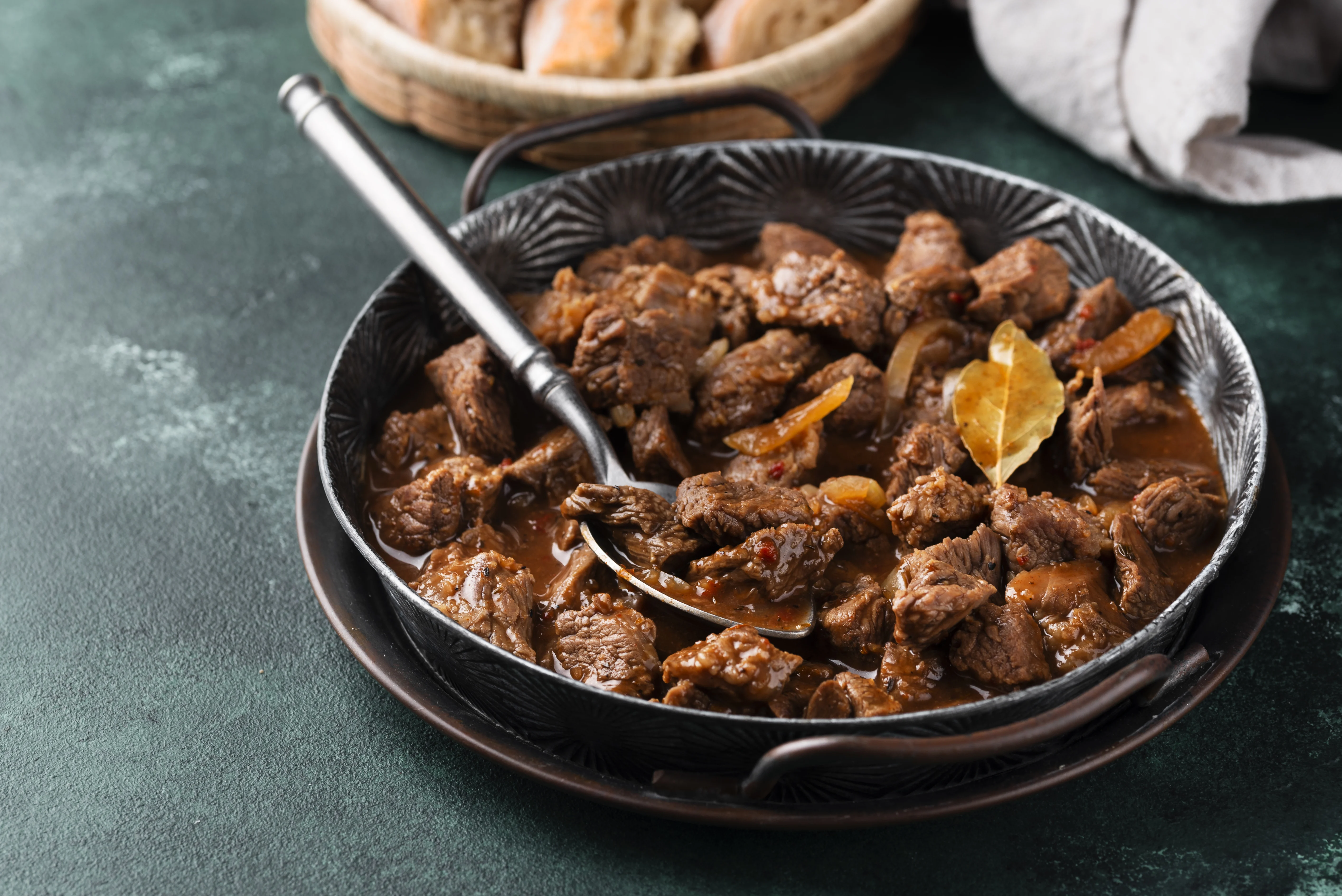
Recipe 4: Buldak Adobo (Philippines)
Philippine Adobo is internationally recognized. It uses soy sauce, vinegar, garlic, bay leaves, and black pepper to cook meat till it is soft and tender. Since it is already a dish with a strong, salty, sour, and deep taste, adding a Korean hot kick does not mess with its core flavor at all.
In fact, since hot versions of Adobo are already a big hit locally, Buldak Adobo is one of the most natural fusion recipes for Southeast Asian palates — elevating one of the region's most iconic national dishes with a new layer of heat.
Ingredients: 500g chicken thighs or pork belly, 4 tablespoons soy sauce, 3 tablespoons cane or white vinegar, 1.5 tablespoons Buldak Sauce, 1 tablespoon minced garlic, 2 dried bay leaves, 1 teaspoon whole black peppercorns, 120ml water, 1 teaspoon sugar, steamed white rice for serving.
Recipe Details: Prep Time: 10 mins | Total Time: 40 mins | Servings: 2-3 portions.
Macros (Per Serving): Protein: ~30g | Carbs: ~50g | Fat: ~20g.
Instructions:
In a heavy-bottomed pot, combine the meat, soy sauce, vinegar, garlic, bay leaves, peppercorns, and water.
Bring to a boil over medium heat, then reduce and let it simmer for roughly 25 minutes until the meat is exceptionally tender.
Stir in Buldak sauce and sugar, allowing the liquid to reduce and thicken for another 5-8 minutes into a sticky, glorious glaze.
Serve the intensely flavorful meat and thickened sauce directly over a large bowl of steamed white rice.
Pro Tip: To preserve the signature, sharp aroma of the vinegar while highlighting the intense heat, it is highly recommended to add the spicy sauce during the final reduction phase rather than at the very beginning of the long braise.
Flavor Profile: The foundational soy base of the Adobo connects flawlessly with the umami of the Korean sauce, while the sharp acidity of the vinegar brilliantly prevents the heat from becoming overly harsh. It feels like a natural, deeply satisfying evolution of the classic dish.
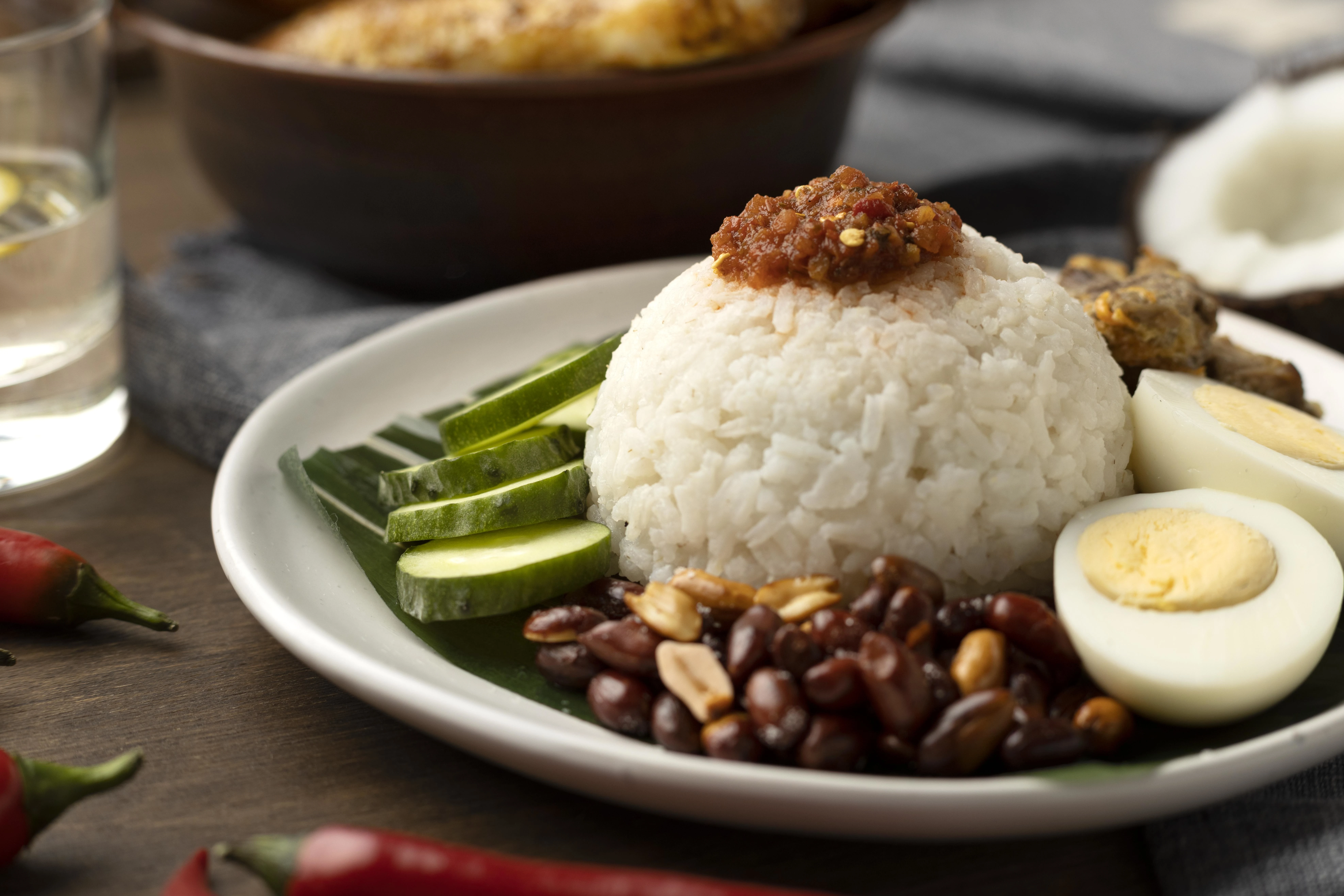
Recipe 5: Buldak Nasi Lemak (Malaysia)
Nasi Lemak is widely regarded as the national comfort food of Malaysia. It has rice cooked in rich coconut milk, served with sambal (a hot chili paste), crisp cucumber, fried fish, roasted nuts, and a boiled egg. The heart of this dish is the balanced blend between the soft, rich coconut and the hot, sweet-and-spicy sambal.
Since Buldak sauce shares the same sweet, spicy, and deep taste as an old-style sambal, the change feels very smooth. The calm, rich taste of the coconut rice fits right in with the bold heat of the Korean sauce, making it one of the most successful fusion recipes on this list.
Ingredients: 2 bowls of white rice, 120ml coconut milk, 120ml water, a pinch of salt, 1 tablespoon Buldak Sauce, 2 tablespoons traditional sambal, 1 hard-boiled egg, cucumber slices, roasted peanuts, fried anchovies (or fried chicken), and fresh lime.
Recipe Details: Prep Time: 10 mins | Total Time: 35 mins | Servings: 2 portions.
Macros (Per Serving): Protein: ~18g | Carbs: ~70g | Fat: ~24g.
Instructions:
Cook the rice in a rice cooker using the coconut milk, water, and a pinch of salt to create the fragrant base.
In a small pan, gently warm the traditional sambal and Buldak sauce together over very low heat for 1-2 minutes to merge the flavors.
Plate the beautiful coconut rice.
Arrange the cucumber slices, boiled egg, roasted peanuts, and anchovies neatly around the rice.
Serve the newly created spicy, thrilling fusion sambal on the side, or dollop it directly onto the rice.
Pro Tip: Rather than completely overpowering the traditional sambal, starting with a ratio of 2 parts sambal to 1 part Korean sauce creates the perfect, respectful balance.
Flavor Profile: The dish is inherently built on the brilliant contrast between cooling coconut and aggressive chili. By introducing the Korean spice, you add a uniquely smoky, savory depth to the sweet heat of the sambal, resulting in a distinct cross-cultural balance.
Get Original Buldak Ramen — the iconic base that started Korea's global spicy wave 🌶️
Order Buldak Ramen on Amazon — taste the original behind every Buldak fusion recipe 🛒
Summary of Buldak Fusion Points by Country

| Country | Representative Food | Existing Flavor Structure | Intersection with Buldak Sauce | Recommended Keyword |
| US | Buffalo Wings | Hot sauce, butter, acidity | Buldak's spicy umami expands hot sauce culture | buldak buffalo wings |
| UAE | Shawarma | Cumin, garlic, yogurt, Middle Eastern spices | Common intersection of spices and spiciness | buldak shawarma |
| AU | Meat Pie | Meat juices, gravy, meat filling | Combination of savory meat umami and spicy sauce | buldak meat pie |
| PH | Adobo | Soy sauce, vinegar, garlic, black pepper | Addition of spiciness on top of saltiness, acidity, and umami | buldak adobo |
| MY | Nasi Lemak | Coconut, sambal, savory richness | Connection between the chili bases of sambal and Buldak | buldak nasi lemak |
FAQ: Buldak Fusion Recipes
Q: What is the true meaning of Buldak fusion?
A: Buldak fusion means adding Korean spicy umami to dishes whose flavor base already welcomes heat — not blindly mixing cuisines. By applying Buldak Sauce to gravies, sour marinades, and coconut bases of beloved national dishes, you keep the soul of the original while opening a new flavor layer.
Q: Does Buldak Sauce work with every cuisine?
A: No — Buldak Sauce works best with cuisines built on hot sauce, strong spices, soy, vinegar, meat gravies, or chili pastes. The five fusion dishes in this guide were chosen because their base flavors naturally accept a bold spicy umami. Dishes built on delicate dashi, cream, or subtle herbs are less suitable.
Q: Which fusion recipe is easiest for a beginner?
A: Buldak Buffalo Wings is the easiest starting point — season, bake, toss. The technique is simple, and the hot-sauce-and-butter base is already familiar to most Western cooks, so the Korean addition feels natural.
Q: How do I fix it if I add too much Buldak Sauce?
A: Balance excess heat with fat, dairy, or sweetness. Melted butter, plain yogurt, coconut milk, honey, or mayo all cool the spice. In Buffalo Wings, butter and honey do the work; in Shawarma, yogurt; in Nasi Lemak, the coconut rice itself softens the heat.
Q: Will Buldak Adobo taste completely different from traditional adobo?
A: No — the core soy, vinegar, garlic, and black pepper profile stays intact. Buldak Sauce adds a layer of heat and deeper umami on top, so the result tastes like a richer, spicier version of the classic — not a different dish.
Q: Are these recipes suitable for readers unfamiliar with Korean food?
A: Yes — that's the point of this approach. Using iconic national dishes (US wing, Aussie pie) as the entry point gives a familiar gateway for first-time Korean-spice eaters to experience the flavor in a safe, recognizable format.
Buldak Sauce started its journey inside a single pack of Korean ramen, but it has grown into a versatile global flavor base. From the buttery acidity of US Buffalo Wings and the spice-driven warmth of Middle Eastern wraps, to the hearty richness of Australian meat pies, the sharp braise of Filipino adobo, and the coconut-sambal depth of Malaysian nasi lemak — each cuisine has a clear structural reason to accept Buldak's heat.
The best fusion recipes are never built by force. They emerge where flavor structures naturally meet. In each of the five fusion dishes above, Buldak Sauce delivers umami depth, visual punch, and a finish you remember. Next time you cook a classic from your shelf, reach for a bottle of Buldak Sauce — a single spoonful can turn a familiar dinner into a global flavor moment.
Explore all Buldak Sauces — find the right heat for wings, shawarma, adobo, and more 🔥
Find your Buldak favorites on Amazon — build your next global fusion dish at home 🚚
Up next: 4 Viral Buldak Recipes from Korean SNS 👉