Quick Summary
Korean baseball stadiums have built their own food culture alongside the legendary cheering atmosphere. The menu runs through chimaek (fried chicken and beer), dakkochi (grilled skewers with cheese), yukhoe (seasoned raw beef), and kimchi mari guksu (cold kimchi noodles).
A single spoonful of Buldak Sauce reshapes each of these dishes. It works as a bold dip for fried chicken, a finishing glaze for cheese-topped skewers, a heat layer for seasoned raw beef, and a flavor base for cold noodles.
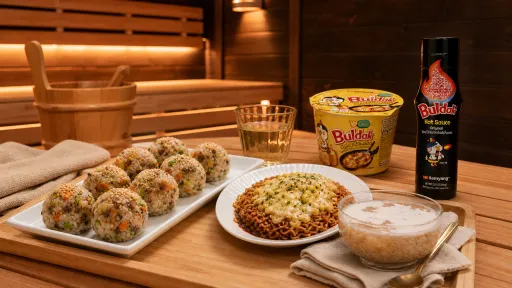
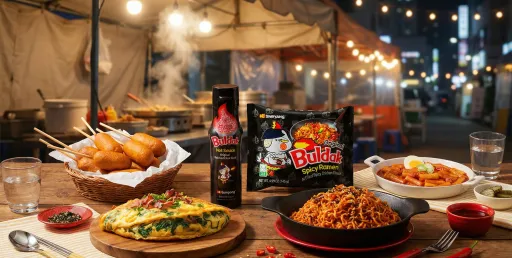
One sauce, four roles, four dishes: Buldak as a dipping sauce for chimaek, a glaze for dakkochi, a seasoning accent for yukhoe, and a flavor base for cold kimchi noodles.
The best Korean baseball food for a game day spread includes chimaek, dakkochi, yukhoe, and kimchi mari guksu. These Korean stadium snacks cover four different eating moments: shared fried chicken, one-handed grilled skewers, a premium raw-beef dish, and cold spicy noodles for summer innings.
Buldak Sauce connects all four dishes in a simple way. Use it as a dipping sauce for chimaek, a finishing glaze for dakkochi, a seasoning accent for yukhoe, and a flavor base for kimchi mari guksu.If you are wondering what to eat during a baseball game, this guide gives you four spicy snack ideas inspired by Korean ballpark food culture — all easy to recreate at home with Buldak flavors.
Why Korean Ballpark Food Goes Beyond the Hot Dog
Korean baseball has been a major cultural force since the KBO League was founded in 1982, and the food culture has grown right alongside it. The shift has been dramatic — stadium food in the 1990s and 2000s was pretty much just dried squid and boiled eggs, but younger fans today are eating from a far more diversified menu. In fact, fans have coined a new term, "yapu" — a blend of the Korean word for baseball, "yagu," and the English word "food" — to describe how central food has become to the ballpark experience. There is a dish for every inning. The shared rip-and-tear ritual of chimaek. The smoky char of a charcoal-grilled skewer. The clean bite of seasoned raw beef. The icy slurp of cold kimchi noodles. Korean baseball food isn't a single dish. It's a whole spectrum.
That kind of variety is exactly why Korean ballpark culture has started catching the eye of fans abroad. In American stadiums, food usually arrives in a handful of familiar formats — handheld, fried, quick to eat. Korean cooking layers flavors differently. Yangnyeom chicken doesn't just bring heat — it brings sweet, salty, and savory all at once, glued together by a glossy red glaze. A charcoal-grilled skewer hits soft meat, crisp char, and stretchy cheese in the same bite. Cold kimchi noodles balance tang, ice, and slow heat in one chilled bowl. Each dish builds its identity through contrast, not just a single dominant flavor — and that range is exactly what fans mean when they talk about "yapu" as a category of its own.
Where Buldak Sauce Fits In
Buldak Sauce fits into Korean baseball food because it adds heat without changing the identity of each dish. It can be used as a dipping sauce, a glaze, a seasoning accent, or a cold noodle flavor base.
That flexibility makes it useful for a baseball watch party at home. If you are wondering what to eat during a baseball game, start with these four Korean stadium foods: chimaek, dakkochi, yukhoe, and kimchi mari guksu.
Get Original Buldak Sauce and start your ballpark night 🔥
Order Original Buldak Sauce on Amazon and stock up before the next game 🛒
4 Korean Stadium Foods to Build Your Watch Party Around
Before diving into each dish, here's a quick map of where they sit in the Korean ballpark lineup — and where Buldak Sauce fits into each one.
| Dish | Style | Best For | Buldak Role |
| Chimaek | Fried + glazed | Sharing with friends | Dipping sauce |
| Dakkochi | Charcoal-grilled skewer | One-handed snacking | Finishing glaze |
| Yukhoe | Seasoned raw beef | Premium / sit-down moments | Heat accent in seasoning |
| Kimchi Mari Guksu | Cold spicy noodles | Late innings, summer cool-down | Flavor base in chilled broth |
Each one covers a different mode of eating — communal, handheld, refined, refreshing — and together they cover almost any moment of a nine-inning game. Whether you want one main dish for a casual stream or a full four-course spread for a weekend watch party, here's how each one works and how Buldak Sauce shapes it.
1. Chimaek (Fried Chicken + Beer): The Ultimate Stadium Icon
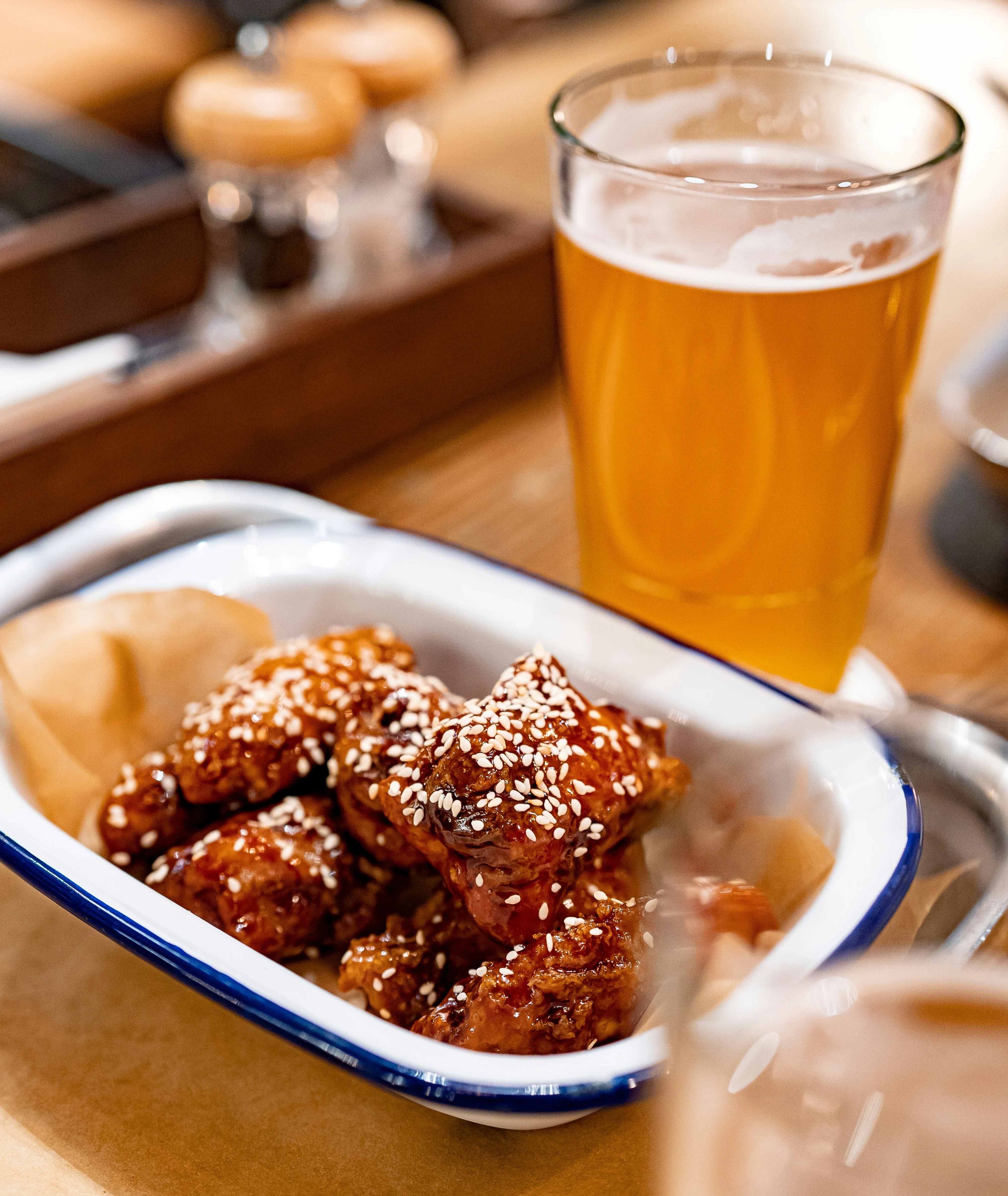
Chimaek is a portmanteau of "chicken" and "maekju" (the Korean word for beer). The pairing is served as anju (food enjoyed with alcohol) in the evening in many South Korean restaurants, including a number of specialized chains, and it has become the most iconic combination in both Korean stadium life and late-night meals. The cultural moment that cemented it in everyday life came with sports: the massive fan gatherings during the 2002 FIFA World Cup hosted in Korea and Japan gave birth to chimaek culture, as Korean soccer fans, wearing red T-shirts, had chicken and beer while watching football matches. From there, it carried straight into baseball stadiums, where it remains the defining ballpark order.
It might look similar to the American pairing of wings and beer, but the dish itself is built differently. American hot wings typically rely on a hot sauce and butter base. Korean yangnyeom (seasoned) chicken, by contrast, is coated in a thicker glaze that balances sweetness, bold heat, savory depth, and garlic all at once.
In a Korean baseball stadium, eating chimaek is not just about fueling up — it is part of the show. Tearing into a piece of warm, glazed chicken with your friends and immediately cooling the heat with an ice-cold beer is half the reason fans go to games. The 9th-inning walk-off is great, but the shared moment of pulling apart that perfect piece of chicken with your friends is what truly defines Korean ballpark food culture.
The Buldak Encounter
Standard yangnyeom chicken is already a strong dish, but adding Buldak Sauce gives it a new direction. The simplest way is to use the sauce as a dip. When you tear off a piece of warm chicken and dunk it lightly, a deeper, bolder heat lands on the first bite. The savory richness of the signature Buldak kick cuts through the fat of the fried coating and leaves a clean finish.
How to Enjoy It During the Game
The golden rule of chimaek is to pair the warm, rich chicken with ice-cold beer. The standard Korean viewing setup means you eat chicken with one hand while holding a beer, eyes locked on the screen. If you are hosting a watch party, place a big box or platter right in the middle of the room so everyone can share. For sides, mandu (Korean dumplings) and fries are the natural companions on any watch party menu. The soft, comforting texture of warm dumplings balances the glaze on the chicken, while crispy fries help reset the palate and add another layer of savory satisfaction.
2. Dakkochi (Spicy Grilled Chicken Skewers with Cheese)
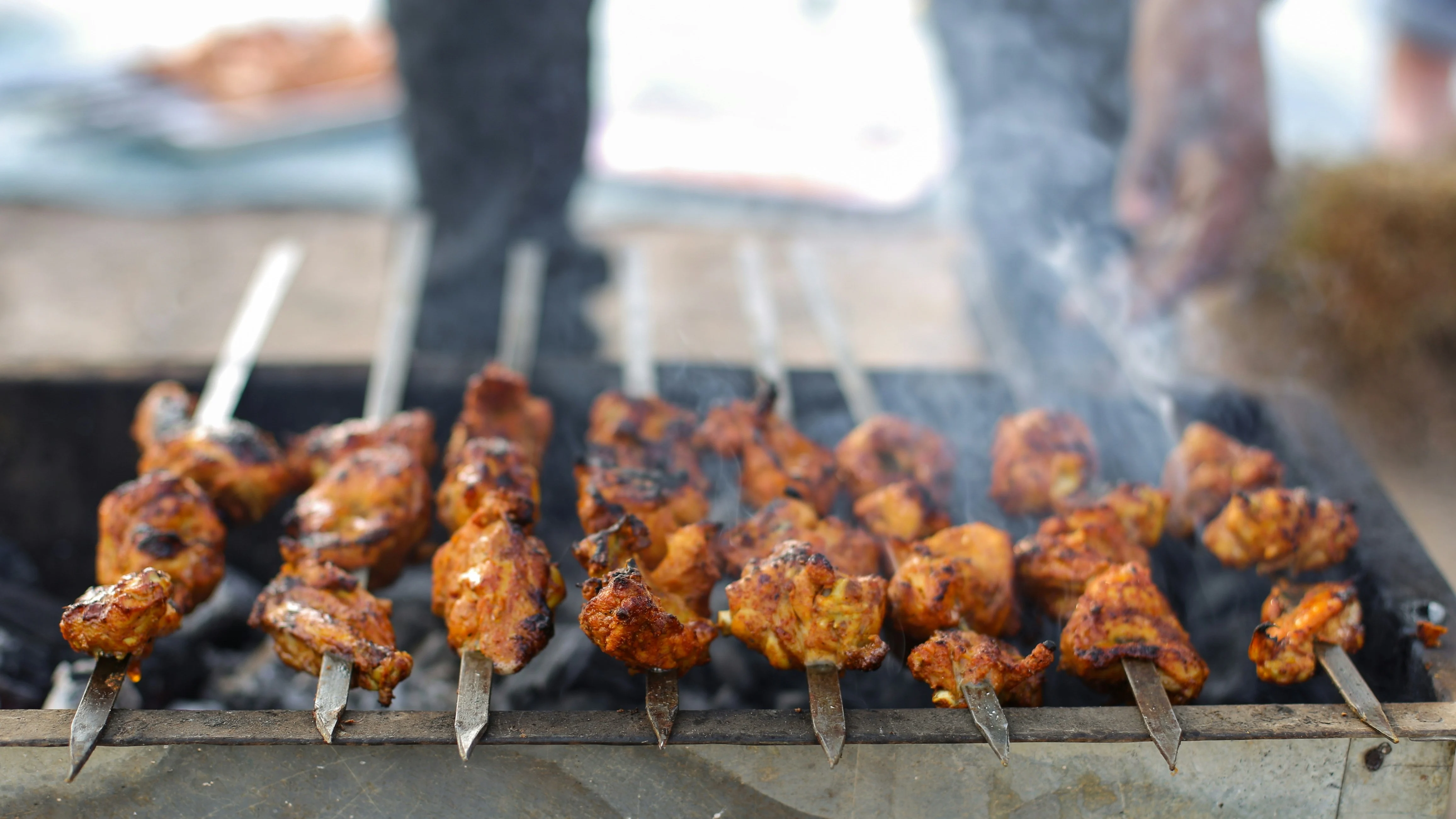
Dakkochi is the quintessential ballpark snack found near the standing areas and outfield seating sections of the stadium. Because you can hold it in one hand and eat without taking your eyes off the field, it plays a similar role to the American corn dog. But while the corn dog leans toward a simpler flavor profile, dakkochi is built differently. It is grilled over charcoal until the edges crisp up, brushed with a sweet-and-spicy glaze, and then topped with melted cheese. The contrast between the charred, crisp exterior and the tender interior — combined with the rich cheese — is what makes it stand out as a stadium-style snack. In Korean stadiums, where the menu runs from chimaek to samgyeopsal to tteokbokki, dakkochi holds the handheld category — the dish you grab without thinking, eat in three bites, and order again.
The defining characteristic of dakkochi is its bold, focused heat. The crowd noise, the conversation with friends, and the spicy bite all blend into one continuous experience. A heat-forward snack like this perks you up quickly and keeps the energy high during a close baseball game.
The Buldak Encounter
Dakkochi already sits in the bold-flavored snack category, but adding Buldak Sauce takes the heat in a more layered direction. The most straightforward method is to drizzle the sauce directly over the charcoal-grilled meat. When the savory depth and subtle sweetness of the Buldak-style spice meets the smoky char of the grill and merges with the richness of the melted cheese, the result is a more complex spicy snack than the original.
Alternatively, you can set the Buldak Sauce in a small bowl as a side dip. This hands-on approach lets guests dunk each bite themselves and decide how spicy they want their fiery finger food to be.
How to Enjoy It During the Game
The biggest advantage of dakkochi as game day food is its one-handed format. You do not need both hands while watching the game. You can hold the skewer in one hand, leaving the other free for a drink or to shield the sun. It is also easy to enjoy several skewers at once. An ice-cold, strongly carbonated drink is the best pairing for that bold heat.
3. Yukhoe (Korean Seasoned Raw Beef)
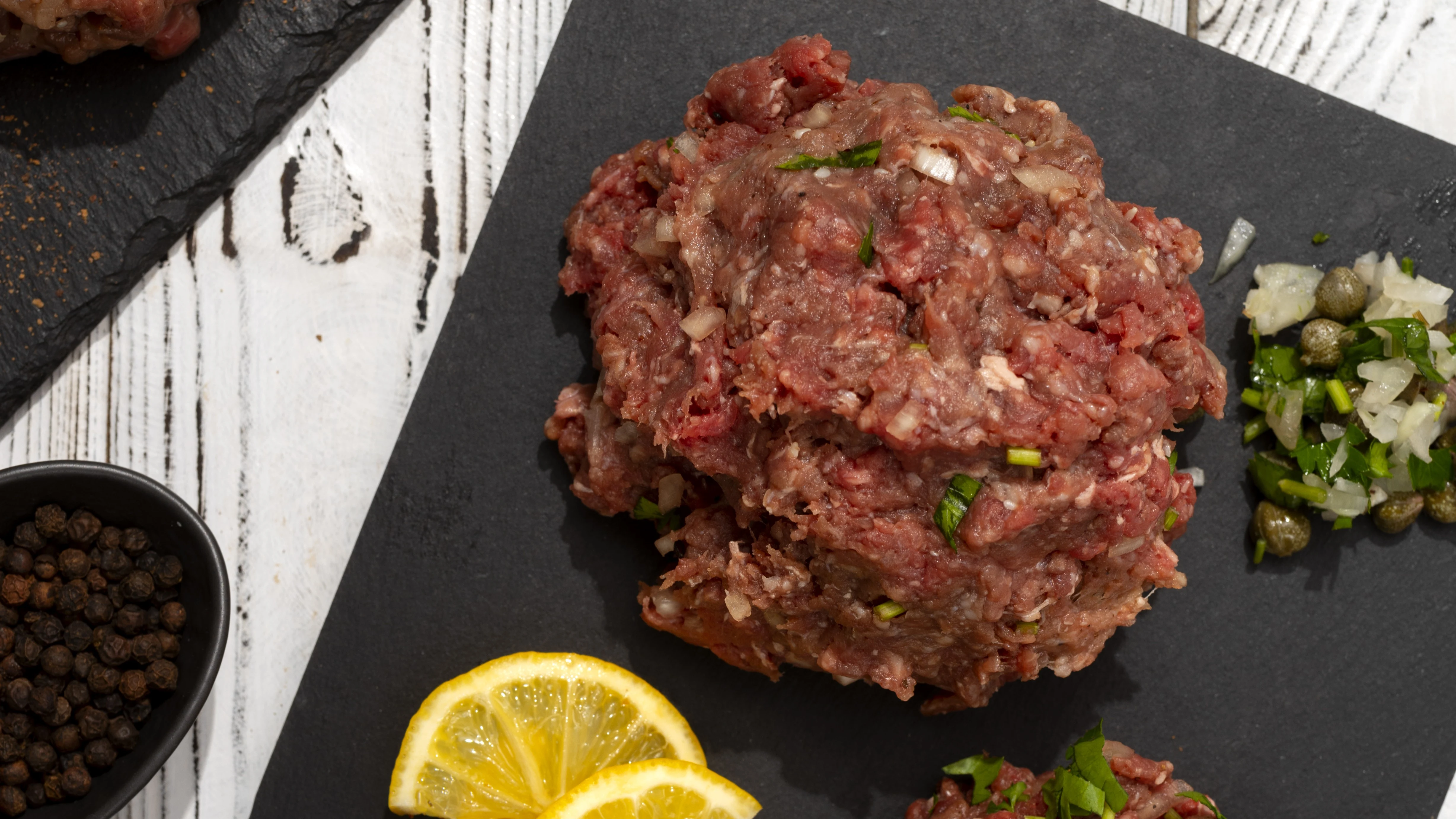
Yukhoe is a traditional Korean dish made with very fresh raw beef, finely cut and seasoned with soy sauce, sesame oil, garlic, sugar, and toasted sesame seeds. The fat is trimmed away before slicing, and Korean pear, raw egg yolk, and pine nuts are commonly used as garnishes. According to the Michelin Guide, yukhoe is distinctly Korean in origin and first appeared sometime during the 17th century, becoming well documented by the end of the Joseon Dynasty. While American steak tartare puts the focus on the pure flavor of the beef, Korean yukhoe leans into the depth that comes from its seasoning mix.
In Korean stadiums, yukhoe shows up as a premium baseball food option, typically found in upscale food zones or higher-tier seating. When fans want something a step above standard chicken or skewers, or when they are deciding what to eat during a baseball game and want a more refined option, this is where they turn.
The clean, fresh beef combined with the deeply seasoned coating reflects the layered nature of Korean ballpark menu offerings. It is not just a snack. It is a substantial side dish you can adapt depending on the mood.
The Buldak Encounter
Yukhoe works well with a small amount of Buldak Sauce mixed directly into the seasoning. Stirring about half a teaspoon into the soy-and-sesame base adds a low background heat without overpowering the sesame oil, garlic, and pear notes. The fresh, soft texture of the raw beef stays intact while picking up a new dimension of flavor.
Another option is to mix the seasoned yukhoe with chilled, cooked Buldak Ramen noodles for a casual yukhoe-bibimbap-style bowl at home. The clean taste of the raw beef and the bold depth of the spicy noodles play off each other and create a heartier dish.
How to Enjoy It During the Game
When eating yukhoe during a game, pairing it with crispy vegetable fritters (yachae twigim) is the standard move. The trick is to take small, slow bites while staying focused on the play. The contrast between the soft, fresh beef and the loud crunch of the fritters mirrors the rising tension of a close match.
Grab Buldak Ramen — your shortcut for yukhoe bowls and cold-noodle nights 🔥
Order Buldak Ramen on Amazon and keep one pack ready for game day 🛒
4. Kimchi Mari Guksu (Cold Spicy Kimchi Noodles)
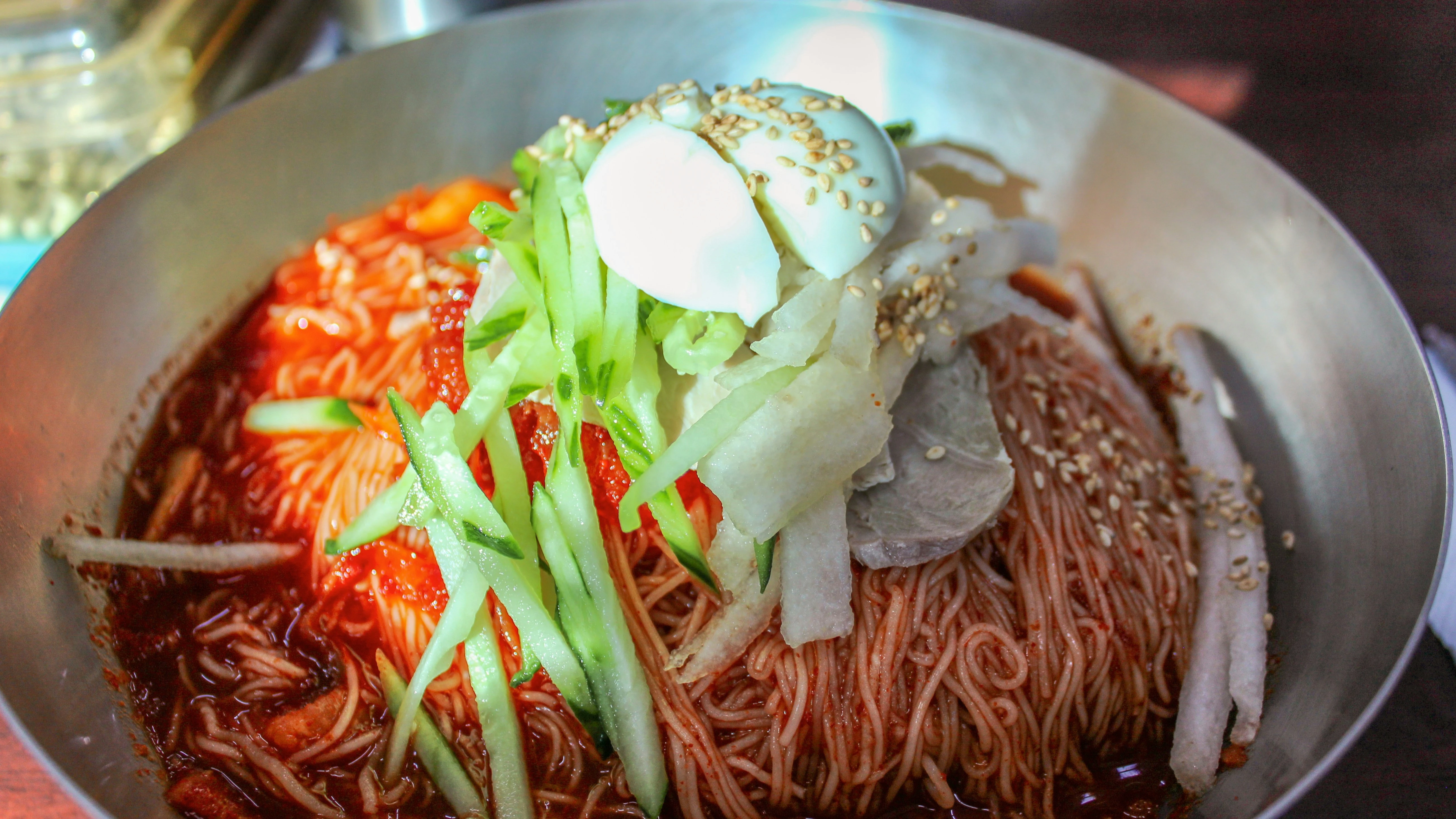
Kimchi mari guksu — often shortened by Korean fans to "gimmalguk" — is a Korean cold noodle dish served in a chilled kimchi broth. Thin wheat noodles (somyeon) are placed in a bowl of cold, tangy kimchi liquid, often topped with sliced kimchi, cucumber, and toasted sesame seeds. The bright acidity and bold kick make it a summer staple, and at the ballpark, it is the dish fans reach for when the late innings get tense and the heat is heavy. In fact, kimchi noodle soup at Jamsil Baseball Stadium is one of the most well-established stadium signature dishes that fans seek out, alongside baseball-shaped bread at Gwangju-Kia Champions Field and fried shrimp in cream sauce at Incheon SSG Landers Field.
(Note: kimchi mari guksu is different from kimchi kalguksu, which is a hot soup with knife-cut noodles. The cold kimchi version is its own dish.)
Unlike heavy, hot bowls of chili served in American ballparks, kimchi mari guksu represents Korean-style refreshment. The icy chill of the broth, the sharp tang of fermented kimchi, and the slow heat of chili all balance one another. In the 9th inning of a tight game, while some fans chug beer, others are loudly slurping cold, spicy noodles.
The Buldak Encounter
Because the defining feature of this dish is its chilled broth, adding Buldak Sauce deepens the flavor noticeably. The simplest method is to stir one or two spoonfuls of the sauce directly into the cold broth. The savory depth of the Buldak blends with the sharp tang of the kimchi and turns a light, refreshing bowl into a fuller, more flavor-forward noodle dish.
Another approach is to use the Buldak heat as the main seasoning base, dry-style. Mix the sauce with a small splash of broth, toss it with the cold noodles, and top with sliced kimchi. The bold kick of the sauce and the smooth, springy texture of the cold noodles work well together.
How to Enjoy It During the Game
Kimchi mari guksu is a slurping dish. The sound of inhaling long noodles, the cooling sensation of the icy broth, and the lingering spicy-sour finish all become part of the game-watching ritual. The Korean approach is to bite off short lengths of noodles as the innings roll on. At the end, you drop a spoonful of rice into the remaining broth to finish the bowl.
The Essential K-Stadium Side Dish Guide

In Korea, dishes are rarely eaten in isolation; the culture of eating together runs deep, and the baseball stadium is no exception. Each ballpark has its signature menu, which fans call "local must-go places." Many fans travel for away games while also enjoying exploring those places. If you are wondering what to eat while watching baseball and want to round out your main dish, picking even a single well-matched side can noticeably improve the whole spread.
Mandu (Korean Dumplings): The classic companion to chimaek. The soft, warm, mild flavor of dumplings balances the bold glaze of seasoned chicken.
Vegetable Fritters (Yachae Twigim): When paired with yukhoe or cold noodles, these fritters add a satisfying crunch and a savory layer. Fritters made with bell peppers, sweet potato, and zucchini are reliable choices.
French Fries: A dependable side when eating chicken. The crispy, salty texture helps clean the palate after a bite of bolder, spicier chicken while adding a starchy richness.
Cheese (Parmesan & Mozzarella): Piled on top of a dakkochi skewer, the rich, savory fat complements the heat. The sharp saltiness of parmesan and the stretchy texture of mozzarella combine to deepen the overall flavor.
FAQ: Korean Baseball Food with Buldak
Q. What is the biggest difference between Korean baseball food and American stadium food?
A: American stadiums focus on convenience — items like hot dogs that you can eat quickly and move on from. Korean stadiums focus on the shared experience and on layered flavors in each bite. The variety and quality of foods at Korean stadiums are notable, with many fans attending for the culinary experience itself, along with the game. In Korea, splitting a large box of chimaek with friends while breaking down the game is part of the baseball viewing experience itself.
Q. What is the most popular ballpark food in Korea?
A: Chimaek is the most representative. It is the defining combination in both stadium and drinking culture, built on the standard pairing of warm, glazed chicken with ice-cold beer. That said, part of what defines Korean baseball food culture is the ability to enjoy the bold heat of dakkochi, the fresh depth of yukhoe, and the bright refresh of cold noodles all within a single game.
Q. What kind of spicy snack can I easily make with Buldak Sauce?
A: You can use it as a dipping sauce for chimaek, or drizzle it over dakkochi skewers. Mixing a small amount into the seasoning of fresh yukhoe is another way to build a more premium spicy bite. Stirring the sauce into a cold bowl of kimchi mari guksu also creates a satisfying heat-forward snack experience.
Q. How do chimaek and dakkochi differ as a baseball snack?
A: Dakkochi features chicken grilled over charcoal, offering a cleaner, smokier taste, often served with vegetables and cheese. It works as a highly portable game day bite. Chimaek, on the other hand, features battered, deep-fried chicken coated in a sticky glaze, which produces a heavier, more indulgent flavor profile. Being able to enjoy both the lightness of a grilled skewer and the richness of fried chicken in one game is part of what defines Korean stadium culture.
Q. Can I easily make kimchi mari guksu in America?
A: Yes, it comes together quickly. You need kimchi, kimchi brine, somyeon (thin wheat noodles) or udon, and Buldak Sauce. Chill the broth thoroughly, add the boiled and cold-rinsed noodles, and stir in one or two spoonfuls of the spicy sauce to recreate the flavor profile of a Korean stadium bowl.
Q. What should I do if Buldak flavors feel too intense?
A: Start with about half the suggested amount of sauce and adjust upward from there. Mixing the sauce with honey or maple syrup softens the heat with a touch of sweetness. Cooling sides like yogurt or a glass of cold milk help settle any lingering heat in the mouth.
The classic American hot dog and the Korean chimaek do not need to compete. The names are different, the flavors are different, and the experience of watching a game while eating them lands differently. Korean ballpark food culture is not just about filling up — it is an engaging part of the viewing ritual that makes the game more memorable, especially when shared with the people you watch alongside.
When you add one spoonful of Buldak Sauce into that mix, it becomes a dipping sauce for chimaek, a finishing glaze for dakkochi, a seasoning accent for yukhoe, and a flavor base for cold kimchi noodles. One familiar sauce takes on four roles across four dishes. The next time you sit down for a game and find yourself wondering what to eat during a baseball game, skip the default hot dog routine. Step into the broader, bolder range of Korean stadium food with Buldak flavors.
Browse the full Buldak lineup and pick your game day MVP ⚡
Hit the Amazon store and load up before opening pitch 🛒
Hungry after the game? Try these 3 spicy Korean chicken recipes you can make at home 🍳